![11 Industrial Concrete Planter Concepts [Outdoor Minimalist]](https://delushome.com/wp-content/uploads/2026/04/11-Industrial-Concrete-Planter-Concepts-Outdoor-Minimalist.webp)
Creating an outdoor space that feels alive and inviting can be a challenge, especially in urban settings where space is limited. That’s why I decided to put together this post on 11 Industrial Concrete Planter Concepts. Concrete planters beautifully blend functionality and style, making them perfect for anyone looking to enhance their outdoor areas with a minimalist touch. If you’ve been searching for ways to introduce greenery into your balcony or small garden without overwhelming the aesthetic, you’ve come to the right place.
This guide is for urban gardeners, DIY enthusiasts, or anyone who appreciates clean lines and modern design. If you want to spruce up your outdoor space with stunning planters that express both creativity and simplicity, you will find a treasure trove of ideas here. With concrete planter ideas outdoor, you can easily create a calming retreat right in your own home, whether you’re squeezing in a few herbs or going for a full floral display.
In this post, you’ll discover a variety of concrete planter designs that are not only visually appealing but also practical for outdoor settings. From geometric shapes to rustic finishes, each concept offers unique charm and functionality. Get ready to embrace these ideas that are stylish, durable, and perfect for any garden enthusiast!
Key Takeaways
– Explore geometric concrete planters that add a modern twist to your space while maximizing plant visibility.
– Discover rustic industrial planters that blend natural textures with sturdy materials for a warm, welcoming vibe.
– Utilize vertical concrete gardens to save space and create an eye-catching focal point on your balcony or patio.
– Learn how to incorporate colorful concrete planters to bring life and personality into your outdoor area.
– Get inspired by DIY concrete planters that allow you to customize your designs, ensuring your outdoor decor reflects your unique style.
1. Geometric Concrete Planters
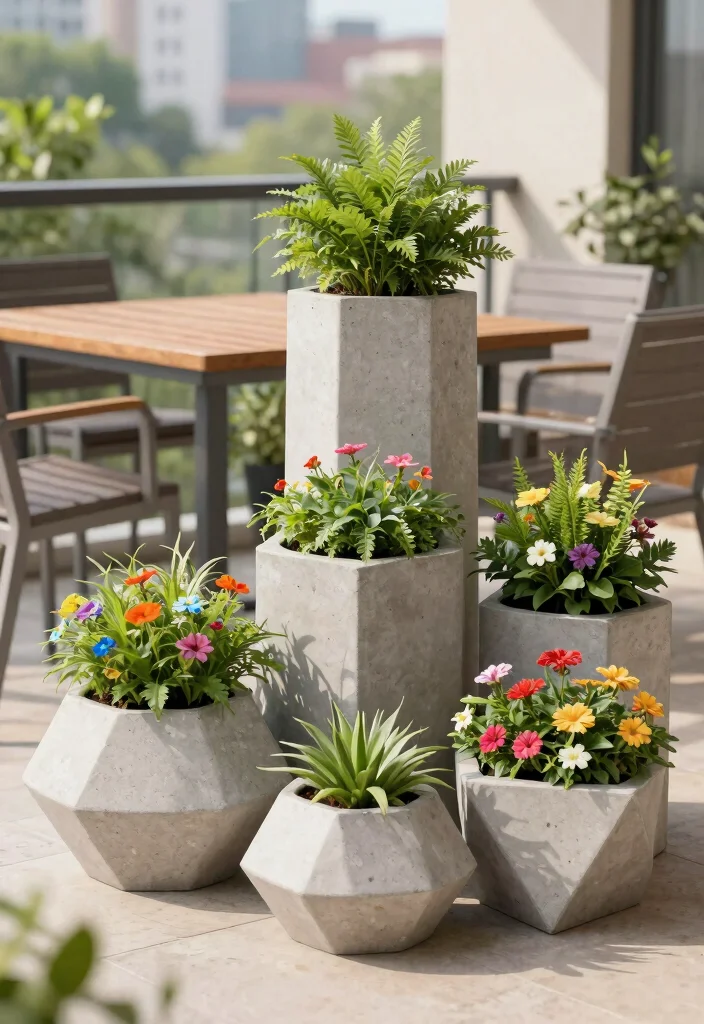
Geometric concrete planters bring a contemporary flair to your outdoor setting. Their striking shapes, such as hexagons and triangles, create a visual interest that elevates the overall aesthetic. Imagine a balcony adorned with varied geometric designs, showcasing vibrant plants that add life and color to the space. Whether you opt for a uniform arrangement or a playful mix, these planters make a bold statement.
To make the most of geometric planters, think about their placement and plant selection. Choose colorful blooms or lush greenery to contrast beautifully with the concrete’s texture. You can also find budget-friendly options at local garden centers or online, ensuring you don’t have to break the bank for style.
Consider these ideas to enhance your geometric planter arrangement:
– Pair bold geometric planters with colorful plants.
– Install them as centerpieces on a balcony table.
– Arrange at varying heights for added depth and intrigue.
With the right plants, these planters can create a stunning outdoor oasis that celebrates both art and nature.
Fun fact: Geometric concrete planters maximize balcony space by up to 25% versus round designs. Mix hexagons and triangles with vibrant plants to create a bold, modern outdoor vibe—it’s easy to arrange, looks great, and actually frees up floor space.
2. Rustic Industrial Planters
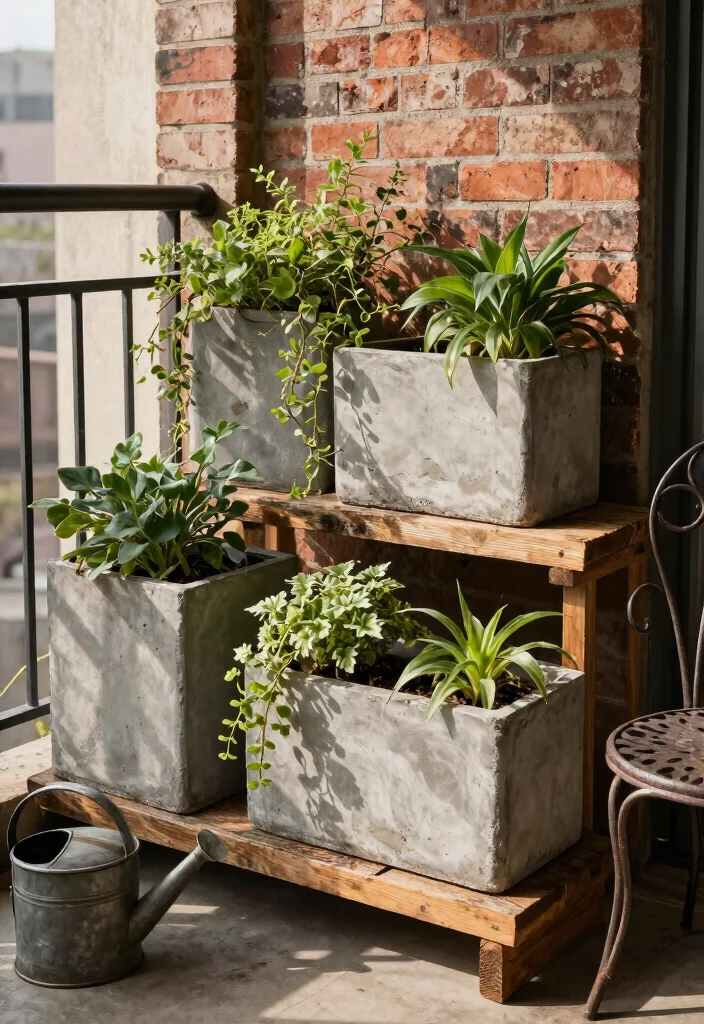
For an authentic industrial feel, rustic textured concrete planters are the way to go. Each piece, with its unique imperfections and raw texture, tells a story and adds character to your space. When paired with bold foliage or delicate flowers, these planters create a striking contrast that enhances your outdoor decor. Position them against a brick wall or on a wooden surface for a truly rustic charm.
To style your rustic industrial planters, think about mixing materials like wood and metal for a dynamic display. These planters work beautifully in groups of varying sizes, allowing you to create a layered effect. Don’t forget to include trailing plants to soften the edges and introduce lushness.
Here are some creative ways to use rustic industrial planters:
– Combine with wood or metal for a textured look.
– Use in a larger display with diverse plant types.
– Incorporate trailing plants to add a soft touch.
Rustic industrial planters can infuse your outdoor area with warmth and charm, making it feel inviting and lived-in.
How To Choose the Right Concrete Planter for Your Outdoor Space
Choosing the right concrete planter can elevate your outdoor area while aligning with your minimalist gardening goals. Here are key factors to consider:
1. Size Matters
Think about the space you have available. Larger planters can work well for bigger plants, while smaller options suit limited areas. Measure your balcony or garden space and decide how many planters you want. A good rule is to leave at least 12 inches between planters for proper growth and airflow.
2. Style and Design
Concrete planters come in various styles, from geometric to rustic. Assess your overall garden decor and choose planters that complement that aesthetic. For a modern look, go for sleek, geometric designs. If you prefer a more earthy vibe, rustic finishes with textured surfaces might be better.
3. Drainage Features
Proper drainage is crucial for plant health. Look for planters with drainage holes to prevent water buildup, which can harm plant roots. If you find a planter you love without drainage holes, you can drill some yourself, but always check if the material can handle it.
4. Weight and Mobility
Consider how heavy the planters will be once filled with soil and plants. If you have a balcony, check if it can support the weight. For larger planters, consider wheeled options or lighter materials combined with concrete for easy mobility. You want to rearrange your garden without breaking your back!
5. Budget
Concrete planters range in price based on size and design. Set a budget before you start shopping. Look for sales or discounts at local garden centers or online retailers. Consider DIY options if you’re on a tight budget, as making your own planters can be a fun project and save money.
6. Climate Considerations
Think about your local climate. Concrete can retain heat, so if you live in a very hot area, choose lighter colors to minimize heat absorption. In colder climates, insulated planters can help protect your plants from freezing temperatures. Always consider how local weather will affect the types of plants you want to grow.
Pro Tip: Before making a purchase, visualize the planter in your space by marking measurements on the ground with tape. This will help you gauge scale and ensure your selections fit seamlessly into your outdoor aesthetic!
3. Vertical Concrete Gardens
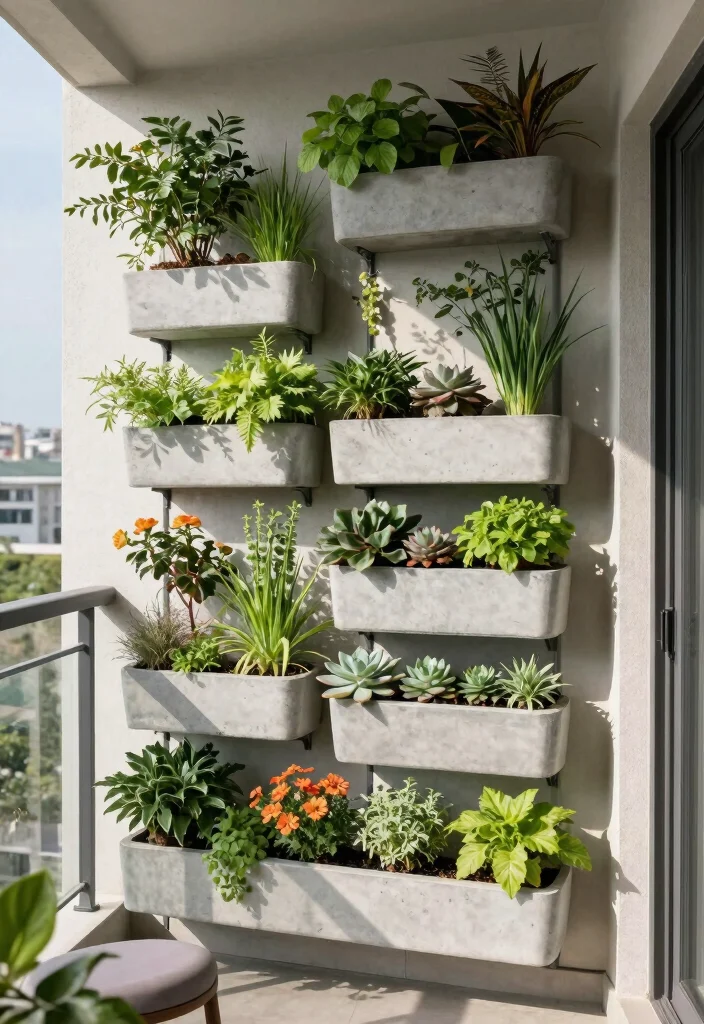
Maximizing space with vertical concrete planters is a smart move for urban gardening. These planters can be stacked or hung, turning limited balcony space into a lush vertical garden. By arranging various plants, from herbs to vibrant blooms, you not only save space but also create a breathtaking visual display.
When designing your vertical garden, choose plants that thrive in your specific light conditions. Incorporating a drip irrigation system can simplify maintenance and keep your garden thriving. Mixing colors and textures will enhance the visual appeal and create a lively atmosphere.
Consider these tips for setting up your vertical concrete garden:
– Choose plants based on light and water needs.
– Install a drip irrigation system for easy care.
– Mix different colors and textures for a vibrant display.
Vertical concrete gardens can transform bare walls into lively green canvases, enriching your outdoor experience.
Vertical Concrete Gardens
Editor’s Choice





4. Concrete Trough Planters
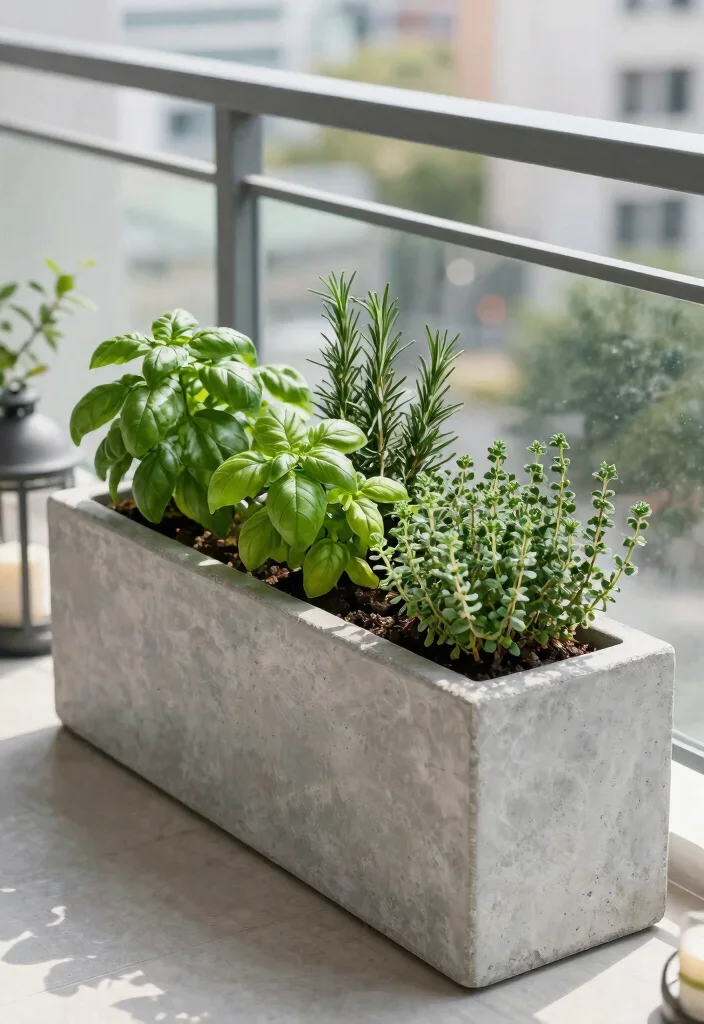
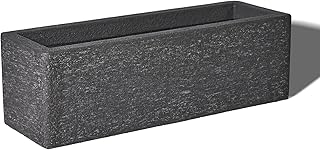
Concrete trough planters are perfect for establishing linear designs on your balcony. Ideal for herb gardens, these planters allow you to grow a variety of herbs in one spot, creating a functional and attractive display. Their long, classic shape complements modern architecture beautifully, making them a stylish choice for urban settings.
To maximize your trough planters, create a cohesive herb garden by pairing similar plants. You can also add decorative stones on top of the soil to introduce an extra layer of texture. These planters can serve as stunning borders or separators in your garden layout.
Here are some planting ideas for trough planters:
– Create a cohesive herb garden with complementary plants.
– Group similar plants for a unified look.
– Add decorative stones on top for added texture.
Concrete trough planters encourage creativity while offering a practical solution for urban gardening.
Fun fact: A 4-foot concrete trough can hold 8–10 herb plants, turning a balcony into a continuous kitchen garden. For concrete planter ideas outdoor, line up greens for easy harvest, and let the modern silhouette pair with any urban view.
Concrete Trough Planters
Editor’s Choice



5. Round Concrete Planters
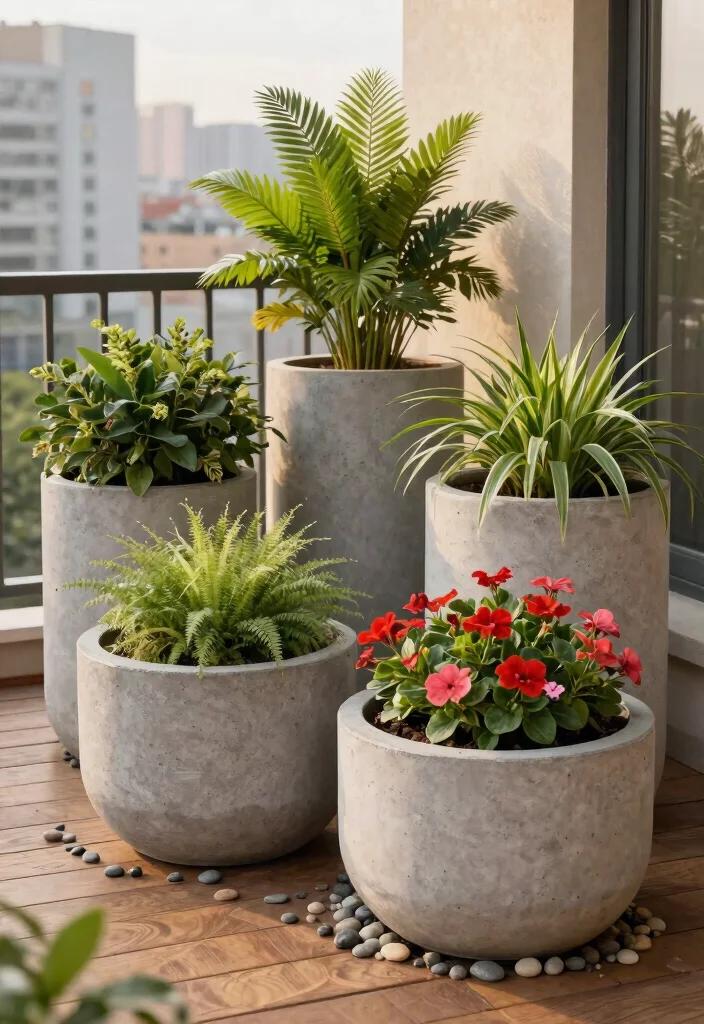
Round concrete planters provide a timeless touch that softens the hard edges of urban landscapes. Available in various sizes, they can act as dramatic focal points or subtle accents, making them versatile for any outdoor setting. Their 360-degree design allows for a full view of the plants, making them ideal for centerpieces or corner displays.
To effectively use round planters, consider larger sizes for impactful statement plants. Pair smaller round planters for a playful arrangement, and mix in contrasting textures like smooth stones to elevate their presence.
Explore these tips for using round concrete planters:
– Use large planters for dramatic statement plants.
– Pair with smaller planters for playful designs.
– Add contrasting textures like smooth river rocks.
Round concrete planters can infuse warmth and character into your space, beautifully softening the industrial vibe.
6. Colorful Concrete Planters
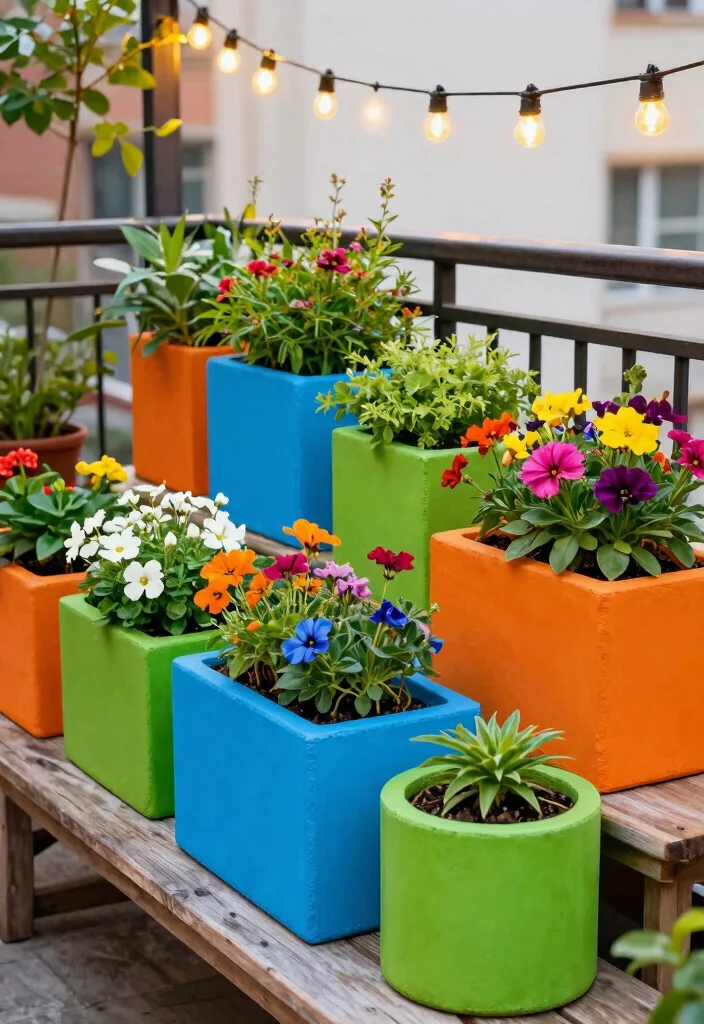
Colorful concrete planters break the mold of traditional grey, introducing a vibrant touch to your outdoor setup. These planters can be painted, stained, or created from colored mixtures, adding bold hues that uplift your balcony’s minimalist aesthetic. Pairing them with complementary plants creates a curated and intentional look that feels personal.
When styling colorful planters, consider contrasting or complementary colors for added visual interest. Grouping different shades together can create an eclectic feel. You can also explore themes, like pastels for a soft ambiance or bright neons for a lively vibe.
Here are some tips for incorporating colorful planters:
– Use contrasting colors for visual excitement.
– Group various colored planters for an eclectic touch.
– Embrace themes like pastels or neons for a cohesive look.
Colorful concrete planters can effortlessly transform dull spaces into lively oases that reflect your personality.
7. Hanging Concrete Planters
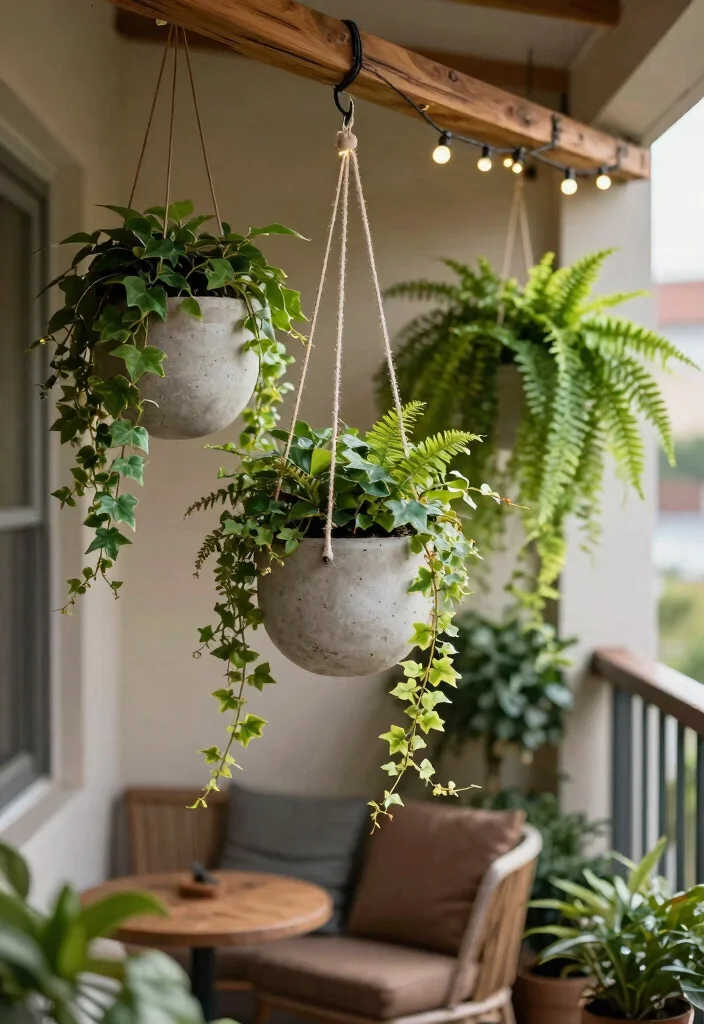
Hanging concrete planters add depth and dimension to your balcony without encroaching on valuable floor space. These suspended planters allow for a stunning display of cascading plants, ideal for trailing vines and light blooms. They draw the eye upward, creating a sense of openness and intrigue in your outdoor space.
To maximize the impact of hanging planters, mix various heights and styles for a dynamic arrangement. Pair them with other hanging decor for a whimsical touch. They can also help define areas by drawing attention away from busy spots.
Consider these ideas for your hanging planters:
– Mix heights and styles for a dynamic look.
– Pair with other hanging decor for whimsy.
– Use to create defined areas in your space.
Hanging concrete planters not only save space but also bring a unique flair to your vertical garden.
Hanging Concrete Planters
Editor’s Choice


8. Multi-Sectioned Planters
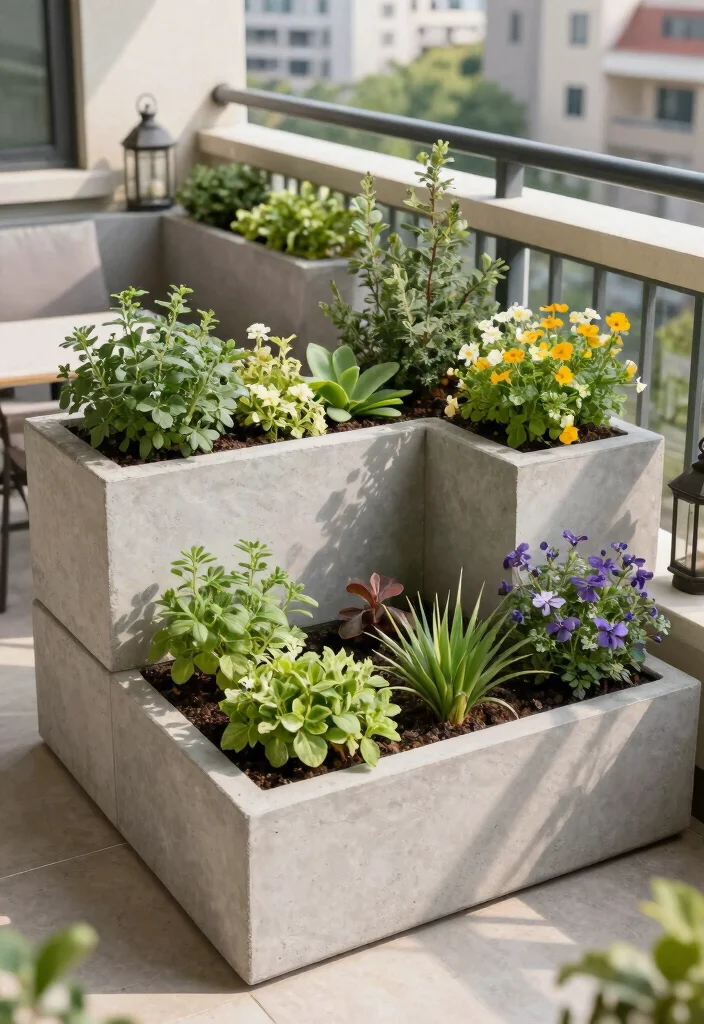
Multi-sectioned concrete planters offer the perfect solution for mixing and matching various plants in one stylish unit. With dividers, these planters allow you to create themed groupings, such as herbs in one section and flowers in another. This not only looks polished but also helps cater to the different needs of your plants.
Get creative with your multi-sectioned planters by curating a sensory garden filled with diverse textures and scents. They can also serve as educational tools for children to learn about plant care, or you can create seasonal displays that evolve throughout the year.
Explore these creative uses for multi-sectioned planters:
– Curate a sensory garden with varied textures.
– Use as educational tools for kids to learn about plants.
– Create seasonal displays that change throughout the year.
Multi-sectioned planters beautifully combine functionality and style, allowing for endless creativity in plant selection.
9. Concrete Garden Edging
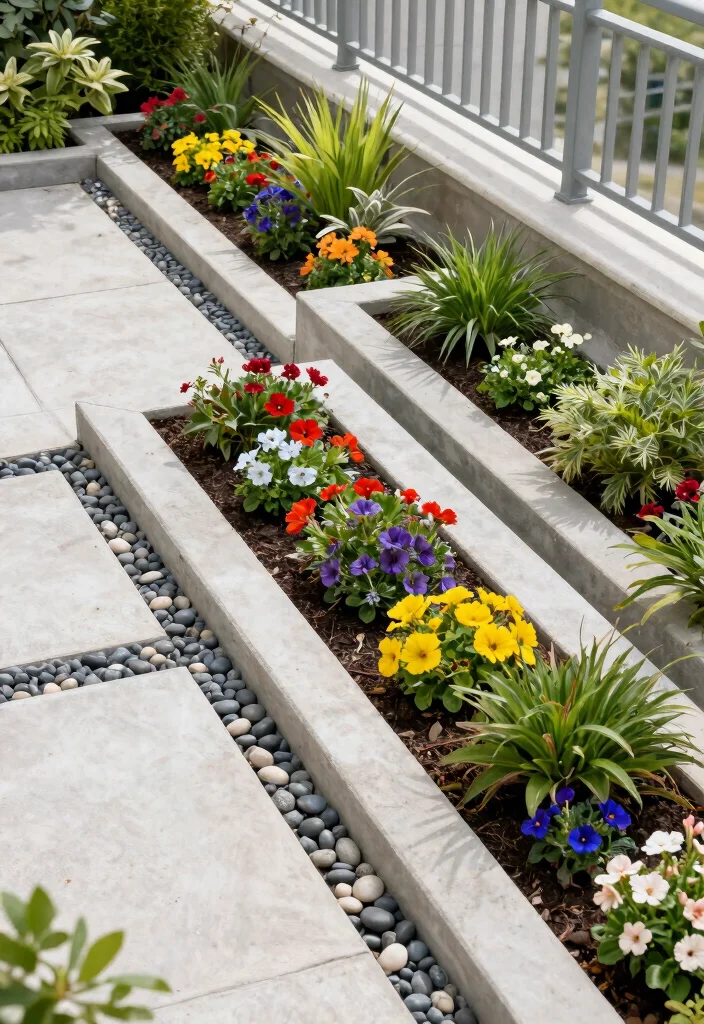
Concrete can serve as an attractive garden edging solution, defining various areas while enhancing overall aesthetics. Low-profile edging effectively keeps soil in place while delivering a clean, modern look. This is particularly beneficial in smaller spaces, where every inch counts and neatness is essential.
To effectively integrate concrete edging, pair it with gravel or stones to create an appealing contrast. It can also help establish raised beds for different plants or flowers and provide a stable base for vertical planters.
Here are effective ways to use concrete garden edging:
– Pair with gravel or stones for texture.
– Create raised beds for diverse plants.
– Use as a base for vertical planters.
Concrete garden edging can lend a polished finish to your outdoor area, ensuring everything feels cohesive and well-planned.
Fun fact: a 2–3 inch low-profile concrete edging can define your balcony garden in minutes, keeping soil in place and giving a clean, modern line. For concrete planter ideas outdoor, pair it with gravel for contrast and a tidy, practical edge that makes small spaces feel bigger.
Concrete Garden Edging
Editor’s Choice


![Garden Edging 20pcs, Faux Stone Edging for Landscaping [4 Inch Tall], Pl...](https://m.media-amazon.com/images/I/71Vr1m2ApdL._AC_UL320_.jpg "11 Industrial Concrete Planter Concepts [Outdoor Minimalist] 46")

10. Concrete Plant Stand
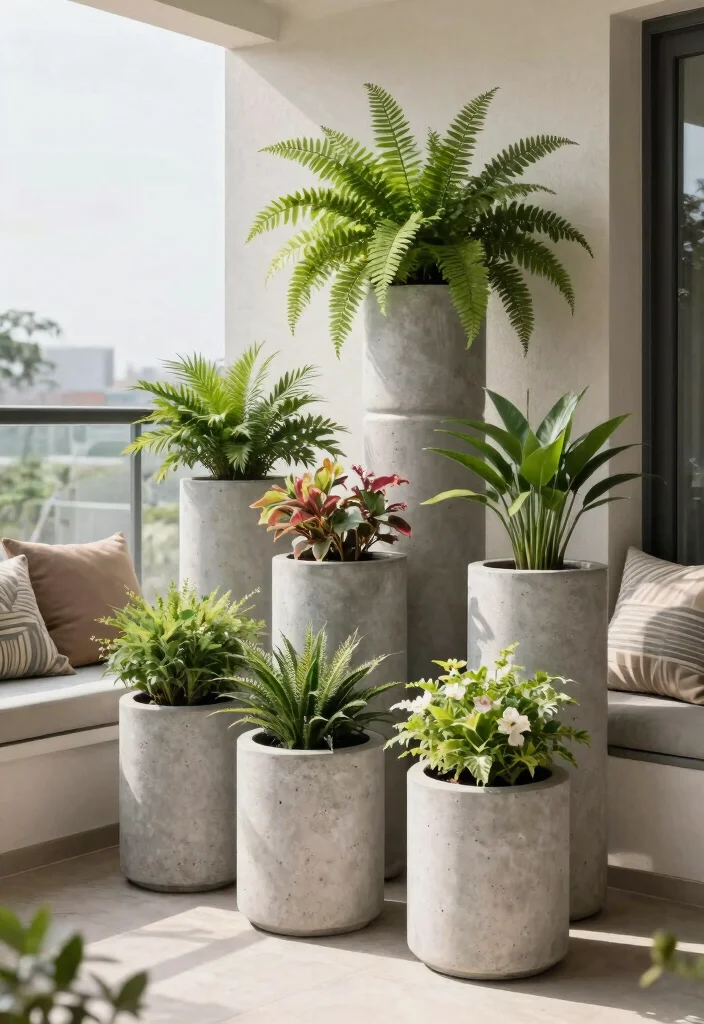
Concrete plant stands elevate your plants, showcasing them stylishly in your outdoor space. Available in various heights, these stands create an engaging tiered effect on your balcony, allowing different plants to shine. By varying the heights, you can draw attention to your favorite plants and enhance visual interest.
To style your concrete plant stands, use them to highlight seasonal blooms or favorite plants. Grouping stands together can create a dramatic visual impact, while mixing materials like wood or metal can add depth to your design.
Consider these tips for using concrete plant stands:
– Highlight favorite plants or seasonal blooms.
– Group stands together for a dramatic effect.
– Mix materials for a unique aesthetic.
Concrete plant stands contribute sophistication to your balcony garden while promoting a visually engaging flow.
11. DIY Concrete Planters
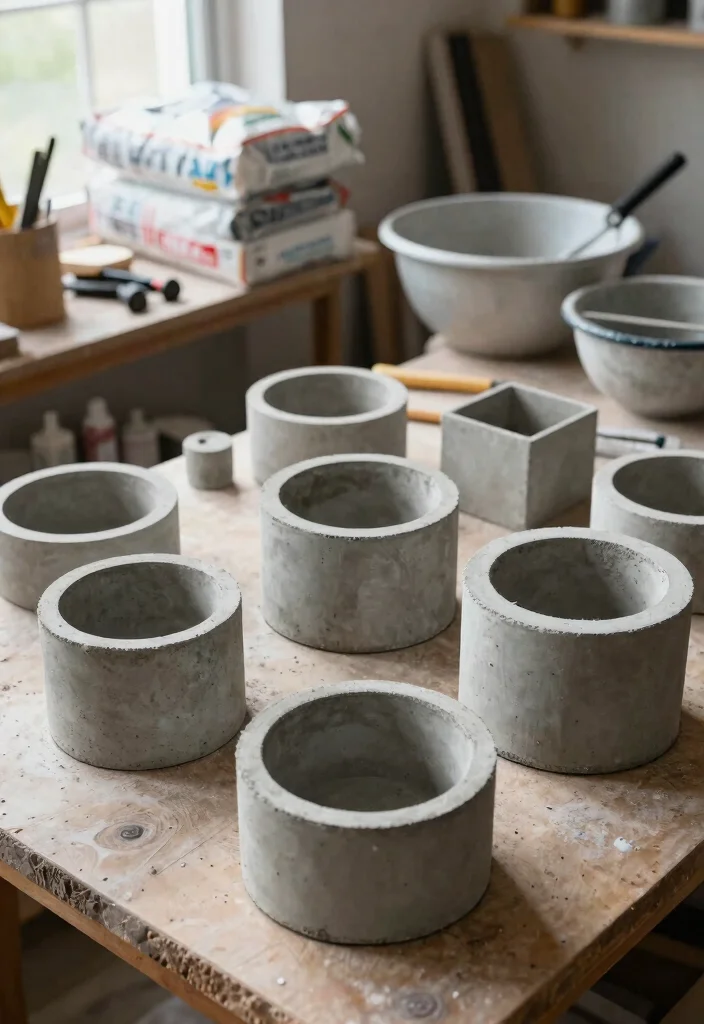
Creating DIY concrete planters is a fulfilling project that adds a personal touch to your outdoor area. With simple materials and a bit of creativity, you can craft unique planters that reflect your style. This hands-on approach allows you to explore different shapes, sizes, and finishes, resulting in one-of-a-kind pieces.
To make your DIY planters, choose molds that suit your design, with silicone molds being ideal for intricate shapes. Mix the concrete according to the instructions, pour it into the molds, and let it cure before finishing as desired.
Follow these steps to create your own concrete planters:
– Choose molds; silicone works best for details.
– Mix concrete and pour into molds.
– Allow to cure, then remove the mold and finish.
Making your own concrete planters not only fosters creativity but also results in custom pieces tailored to your outdoor style.
DIY Concrete Planters
Editor’s Choice


Conclusion
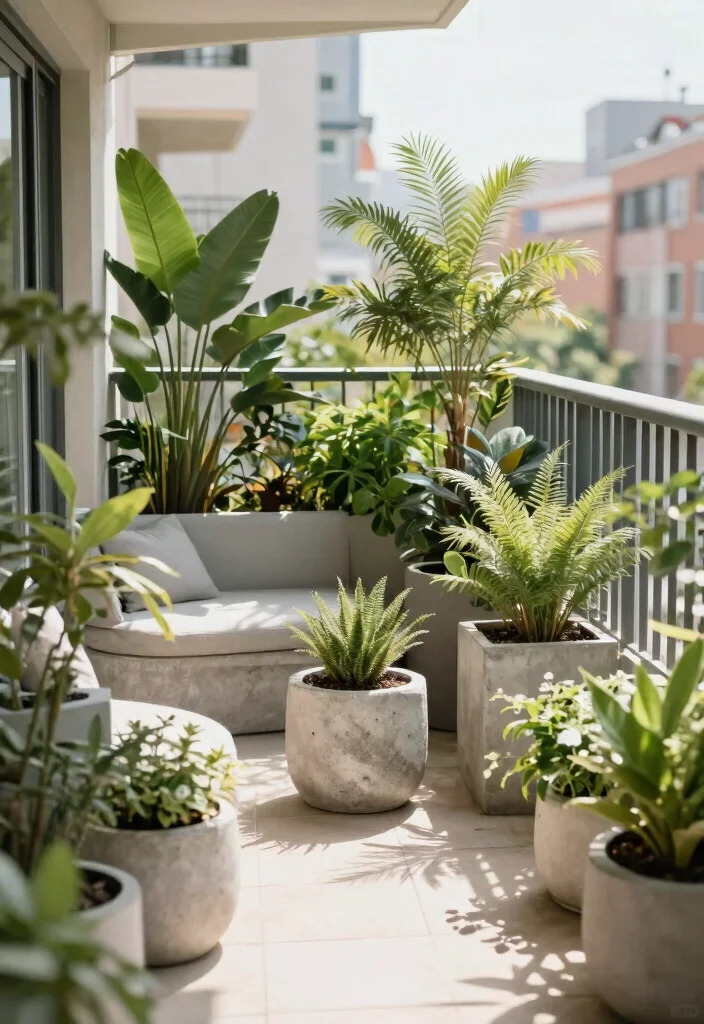
Concrete planters offer a versatile and stylish solution for anyone seeking to enhance their outdoor spaces.
Embracing the minimalist industrial aesthetic can transform your urban balcony into a vibrant garden filled with life and personality. Whether you’re opting for DIY projects or selecting ready-made designs, there’s a concrete planter idea here for everyone. So grab your tools, get inspired, and start growing your urban oasis today!
Note: We aim to provide accurate product links, but some may occasionally expire or become unavailable. If this happens, please search directly on Amazon for the product or a suitable alternative.
This post contains Amazon affiliate links, meaning we may earn a small commission if you purchase through our links, at no extra cost to you.
Frequently Asked Questions
What are some concrete planter ideas outdoor that fit an industrial minimalist balcony garden?
For concrete planter ideas outdoor that fit an industrial minimalist vibe, start with clean-lined rectangles and cylinders in varying heights.
Use raw, sealed concrete for a rugged look, or choose lightly troweled textures for subtle texture.
Pair with simple greenery like snake plants, grasses, and small herbs.
Consider planters with built‑in drainage and removable inserts for easy soil changes.
Stack or nest planters to maximize space on narrow balconies.
Mix in metal wall brackets or timber accents to reinforce the industrial landscaping vibe.
By keeping the palette restrained and focusing on form, your outdoor planters become statement pieces in outdoor planters and concrete garden decor that read as modern planter designs.
How can I blend minimalist gardening with concrete garden decor on a small urban balcony?
Blending minimalist gardening with concrete garden decor on a small urban balcony is all about restraint and rhythm.
Start with a tight color palette (charcoal, white, and natural concrete gray).
Pick 3–4 modern planter designs with clean lines and place them in odd numbers for visual interest.
Use a vertical or rail-mounted planter to reclaim floor space, and keep everything elevated off the floor for a neat look.
Group planters by height to create layers, and leave negative space to avoid clutter.
Add a simple herb or succulent highlight and lighting to make the space feel inviting while staying true to outdoor planters and industrial aesthetics.
What finishes and materials work best with concrete for modern planter designs?
What finishes work best with concrete for modern planter designs?
Start with raw, natural concrete for an authentic industrial vibe, then consider sealers: penetrating sealers preserve the matte look, while a light polish or brushed finish adds subtle shine.
If you want contrast, pair concrete with metal or wood accents to enhance the industrial landscaping vibe.
For color pops, add planters in bold tones or weather-resistant tiles as accents.
And don’t forget drainage: keep evenly spaced drainage holes and consider inserts to make maintenance easy.
This keeps your concrete planter ideas outdoor looking sharp year-round.
What are practical tips to arrange outdoor planters for a cohesive industrial landscaping look on a balcony?
Practical tips to arrange outdoor planters for a cohesive industrial landscaping look on a balcony:
Start with a plan. Sketch a layout that uses a central focal point with a taller vertical planter, then flank it with low troughs on either side.
Use varying heights and textures to create rhythm.
Place planters along the railing using wall-mounted or railing planters to save floor space.
Group items in odd numbers (3 or 5) and keep a clear path for movement.
Consider modular systems that can be rearranged as plants grow—perfect for urban balcony gardening.
How do I maintain concrete planters outdoors and prevent cracking or staining?
Maintenance and protection: to keep concrete planters outdoors looking sharp, seal them every 1–2 years with a high-quality penetrating sealer to resist moisture and staining.
Use planters with good drainage and avoid salts from de-icing as they can crack concrete.
Clean with mild soapy water and a soft brush; avoid harsh acids.
In winter, ensure drainage is clear and consider moving sensitive plants indoors or wrapping planters.
If cracking occurs, fill with epoxy or silicone and consider using removable inserts to minimize soil damage.
Regular care makes outdoor planters and concrete garden decor last long in industrial landscaping setups.


![13 Functional Garden Potting Shed Ideas [Plant Lovers Only]](https://delushome.com/wp-content/uploads/2026/04/13-Functional-Garden-Potting-Shed-Ideas-Plant-Lovers-Only-150x150.webp)


