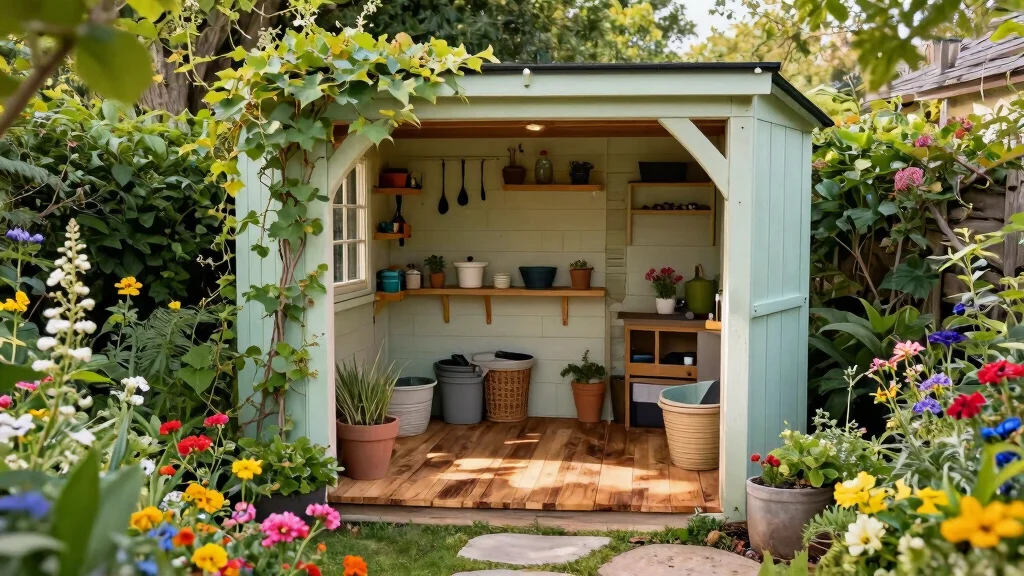
Gardening enthusiasts know that a well-built garden shed is more than just a storage space; it’s a sanctuary for tools, plants, and creativity. You might be thinking about improving your outdoor storage solutions, or perhaps you’re ready to take the plunge into DIY shed flooring. Whatever your motivation, this post is here to inspire you with the 7 best garden shed flooring ideas that balance aesthetics and functionality. With a focus on eco-friendly materials, you’ll find options that not only suit your style but also care for the environment.
If you’re someone who loves gardening and wants to enhance your shed, this guide is just for you. You might be looking for durable shed flooring ideas that can withstand humidity and heavy foot traffic. Or maybe you’re interested in garden shed materials that reflect your personality and commitment to sustainability. No matter your goal, I’ve compiled a list of flooring options that are practical, stylish, and perfect for any shed. Prepare to be inspired by ideas that will elevate your outdoor space while keeping it functional.
By the end of this post, you will have actionable insights on using materials from reclaimed wood to eco-friendly stone. You’ll feel confident in choosing the right flooring options for your shed. So, whether you want to create a cozy workshop or an organized tool room, there’s something here for everyone. Let’s dig in!
Key Takeaways
– Diverse Materials: Explore a range of materials like reclaimed wood and bamboo that not only enhance the look of your shed but also support environmental sustainability.
– Durability Matters: Choosing durable options like rubber flooring ensures that your shed can handle heavy use and challenging weather conditions.
– DIY Opportunities: Many flooring options are perfect for DIY enthusiasts, allowing you to add a personal touch while saving costs.
– Creative Options: Get inspired by unique choices like artificial grass or paver stones that can transform a functional space into an inviting one.
– Aesthetic Appeal: Select flooring ideas that complement your garden’s aesthetic, making your shed a stylish addition to your outdoor area.
1. Reclaimed Wood for a Rustic Charm
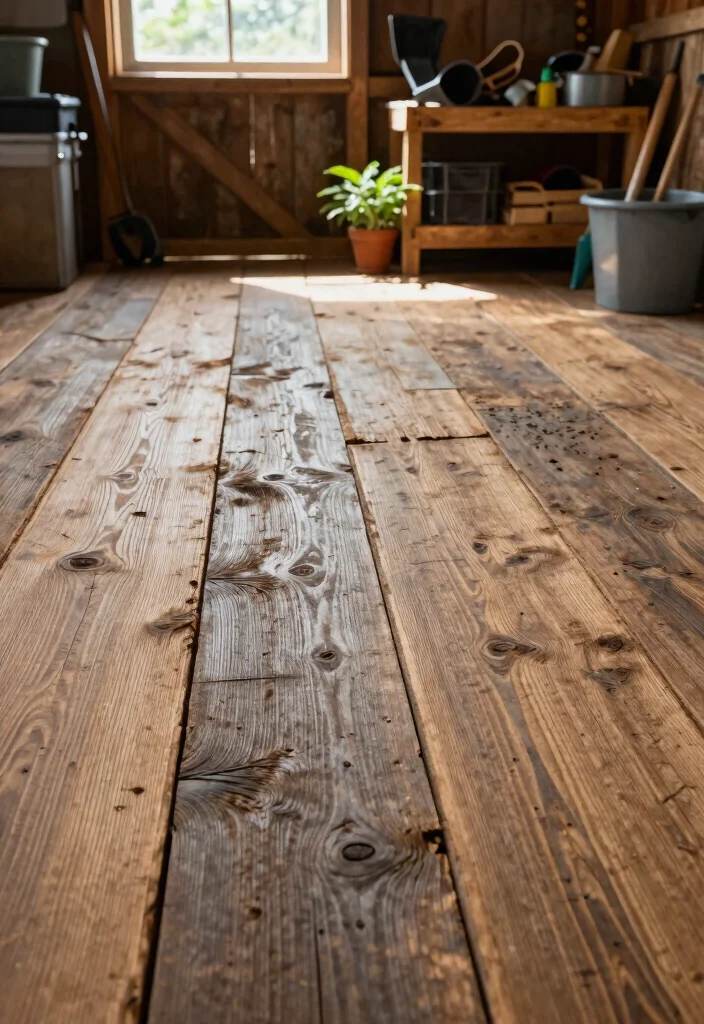
Reclaimed wood is a wonderful choice for adding rustic charm to your garden shed. This sustainable option brings unique character while reducing waste, making it a favorite among eco-conscious decorators. The weathered textures and earthy tones of reclaimed wood can transform your shed into a warm and inviting retreat that tells a story of its own.
To make the most of reclaimed wood, consider these practical tips: Look for local suppliers to find unique pieces, and don’t hesitate to mix different wood types for an eclectic vibe. Ensuring the wood is properly sealed will enhance its durability and protect it from the elements.
Consider these elements to maximize this flooring’s potential:
– Pair reclaimed wood with natural fiber rugs for added warmth
– Install rustic shelves made from the same wood for cohesion
– Use vintage-style light fixtures to complement the aesthetic
This flooring choice not only enhances your shed’s aesthetic but also provides a sturdy foundation that can withstand daily use.
Reclaimed Wood for a Rustic Charm
Editor’s Choice




2. Eco-Friendly Stone Options
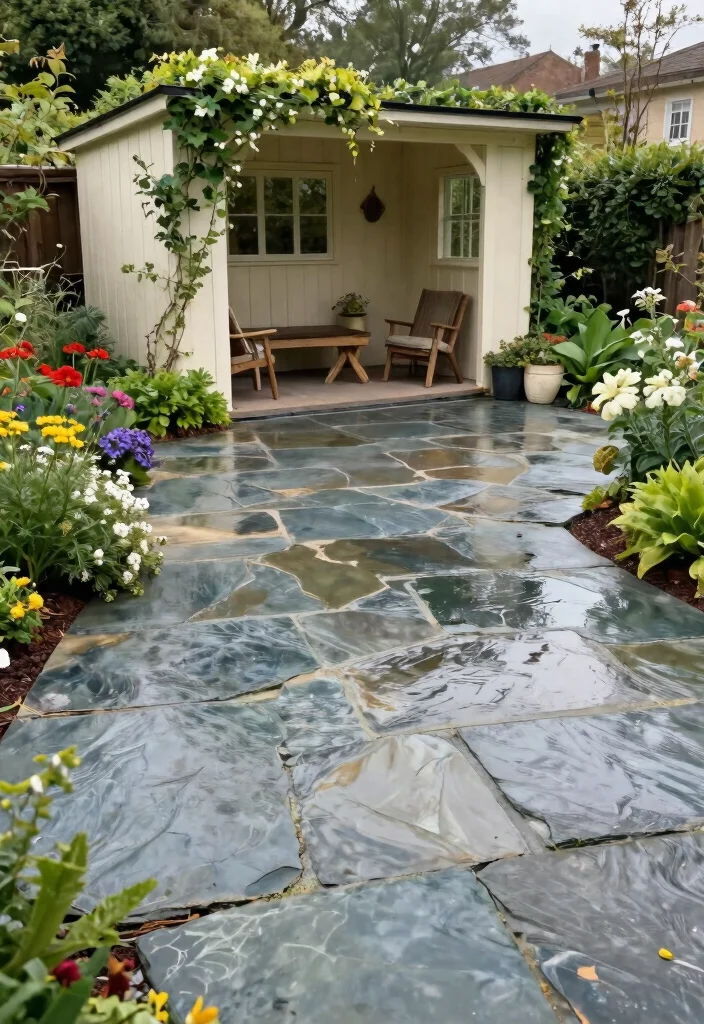
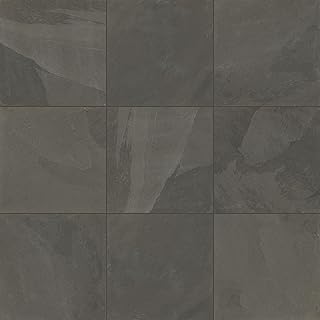
If you’re in search of a flooring option that combines durability with elegance, eco-friendly stone materials are a fantastic solution. Natural stones like slate or limestone, when sourced responsibly, add a touch of sophistication to your garden shed while ensuring longevity. Their ability to withstand moisture and wear makes them an excellent choice for outdoor spaces.
Implementing stone flooring can be simple: Choose lighter colors to brighten your shed and consider textured surfaces for added grip. You can find budget-friendly options at local stone yards or even consider second-hand materials for a unique look.
Explore these benefits of stone flooring:
– Install slate tiles for a beautiful, textured look
– Use lighter stones to create an airy atmosphere
– Incorporate a drainage system under the stones for moisture control
With stone flooring, you create a refreshing atmosphere that contrasts beautifully with your garden’s greenery.
Fun fact: responsibly sourced stone like slate or limestone can last 20+ years with minimal upkeep, cutting replacement costs for your garden shed flooring ideas. It absorbs moisture well and ages gracefully, turning any shed into a durable, stylish retreat.
Eco-Friendly Stone Options
Editor’s Choice



3. Artificial Grass for a Soft Touch
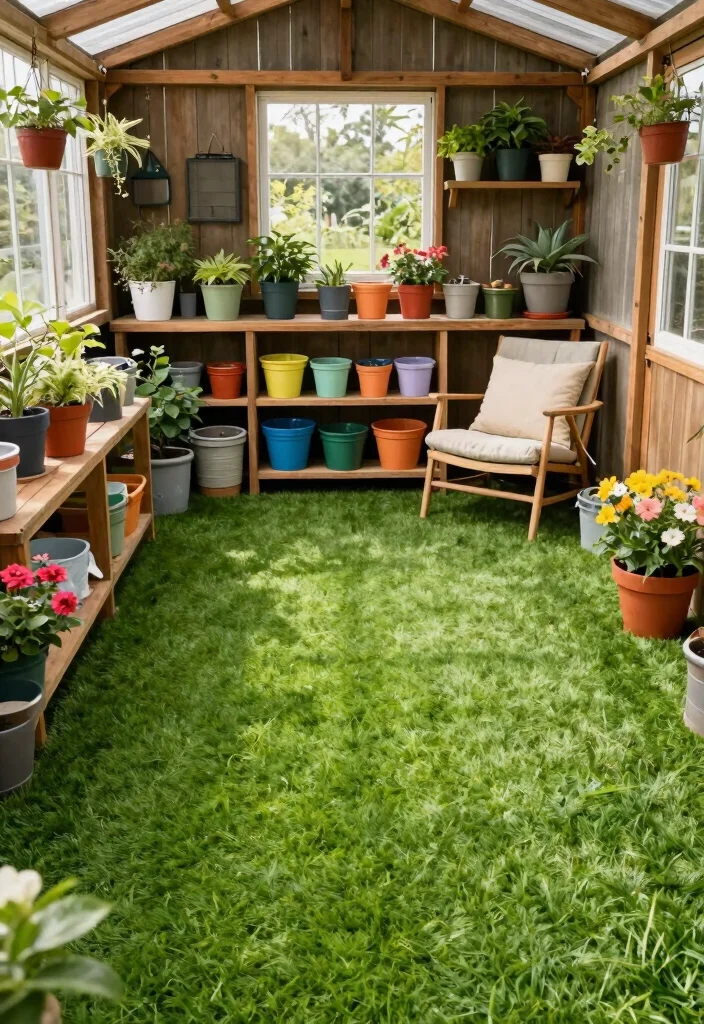
Imagine stepping into your garden shed and sinking your feet into soft, lush artificial grass. This innovative flooring option offers the beauty of a verdant lawn without the upkeep, making it a popular choice for garden enthusiasts. Made from sustainable materials, artificial grass provides a cushioned surface that feels great while you work on your projects.
To get the best out of artificial grass, look for high-quality options that mimic natural textures. It’s a budget-friendly choice since it requires no watering or mowing, and you can easily find it at home improvement stores.
Consider these features when choosing artificial grass:
– Use it to create a cozy reading nook in your shed
– Pair with wooden furniture for a charming contrast
– Incorporate planters for a lush, garden-like feel
This flooring idea not only enhances comfort but also invites the beauty of nature right into your shed.
Fun fact: Quality artificial grass can last 8–10 years and cut maintenance time by up to 90%. It stays cushioned and lush, even in shaded shed spaces, making eco-friendly garden shed flooring ideas simple and practical.
4. Bamboo for an Exotic Twist
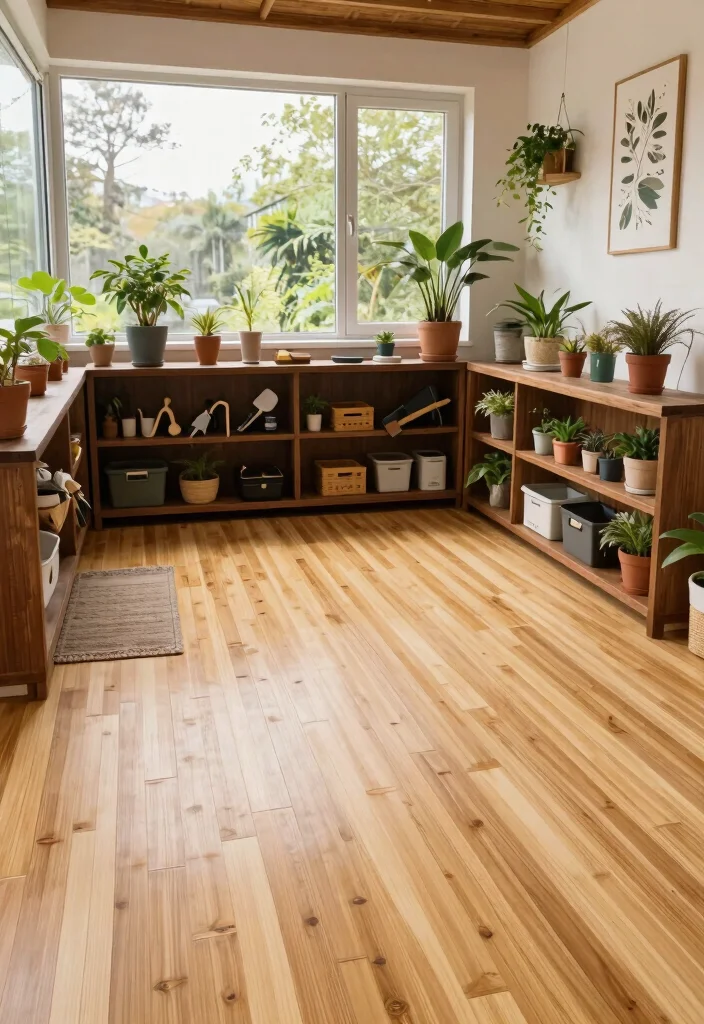
Bamboo flooring offers an exotic twist while being environmentally friendly, making it an excellent choice for your garden shed. Known for its rapid renewability and robustness, bamboo can withstand heavy foot traffic, perfect for a functional space like yours. Its natural grain adds a touch of elegance and warmth that enhances the overall aesthetic.
When selecting bamboo, consider sealed options to protect against moisture and ensure durability. This flooring choice can be found in various styles, so you can easily find one that fits your design vision.
Explore these advantages of bamboo flooring:
– Pair bamboo with natural decor elements for a cohesive look
– Use it in conjunction with plants to create a serene environment
– Incorporate area rugs for added texture and comfort
By choosing bamboo, you’re not only elevating your shed’s style but also making a positive impact on the environment.
Fun fact: Bamboo can mature in 3-5 years, compared to decades for traditional hardwoods, making bamboo a fast, eco-friendly choice for garden shed flooring ideas. Pro tip: Choose sealed bamboo to protect against moisture and keep that exotic look lasting season after season.
Bamboo for an Exotic Twist
Editor’s Choice


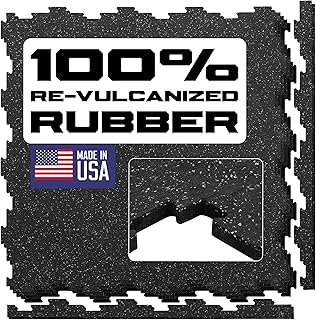
5. Rubber Flooring for Ultimate Durability
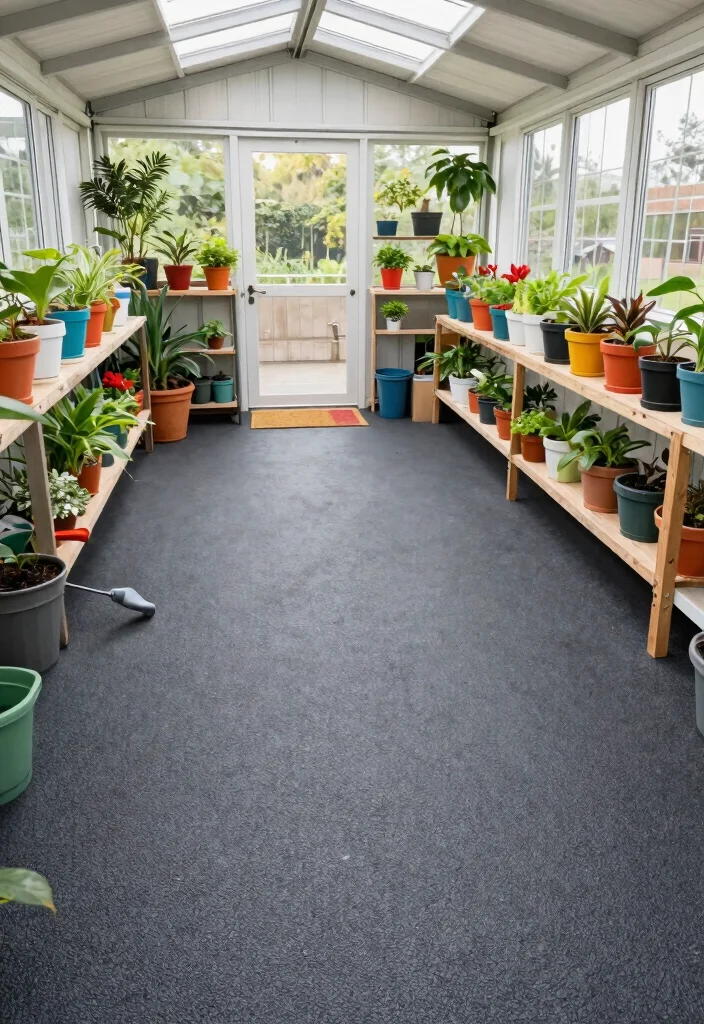
For those who need a flooring option that can withstand the rigors of daily use, rubber flooring is an excellent choice. Often used in gyms and workshops, it offers unmatched durability and is easy to maintain. Rubber flooring absorbs impact, reducing fatigue on your feet and legs during long gardening sessions.
To implement rubber flooring, choose interlocking tiles for a simple installation process. You can find a variety of styles and colors, allowing you to customize your shed’s look while keeping it functional.
Consider these benefits of rubber flooring:
– Use slip-resistant tiles to enhance safety in wet conditions
– Pair with colorful mats for a welcoming touch
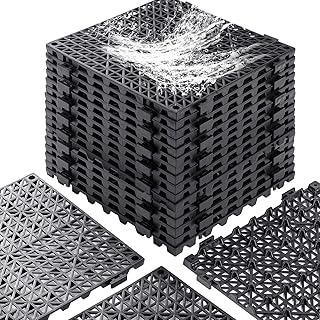
– Incorporate drainage mats in high-traffic areas
With rubber flooring, you gain a resilient and stylish surface that supports your gardening activities while being eco-friendly.
Rubber Flooring for Ultimate Durability
Editor’s Choice



6. Paver Stones for a Unique Look
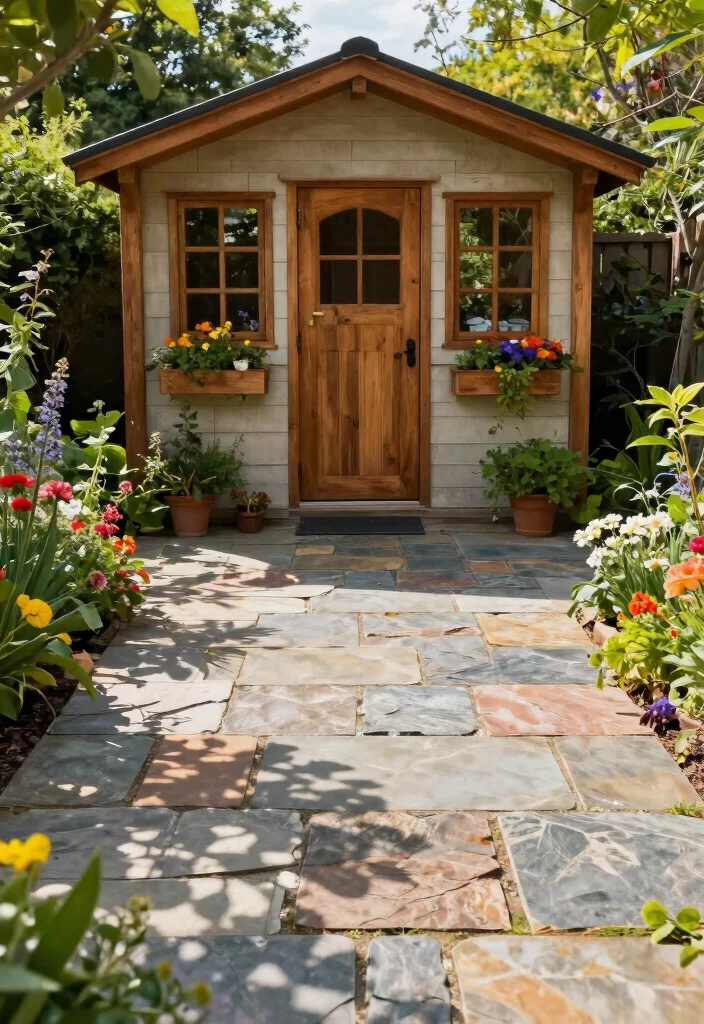
Paver stones provide a charming and unique flooring option for your garden shed, enhancing its overall curb appeal. Available in various shapes, colors, and sizes, pavers allow you to create custom patterns that reflect your personal style. Their excellent drainage properties make them ideal for outdoor use, ensuring water flows away from your shed.
To utilize paver stones, consider a layout that complements your garden’s design. You can find pavers at landscaping centers or local suppliers, making them accessible for your project.
Look into these advantages of paver stones:
– Arrange pavers in a herringbone pattern for a modern look
– Mix colors for a playful design
– Use edging stones to define your shed’s entrance
This flooring idea not only adds character to your shed but also ensures functionality for years to come.
Paver Stones for a Unique Look
Editor’s Choice


7. Creative DIY Options
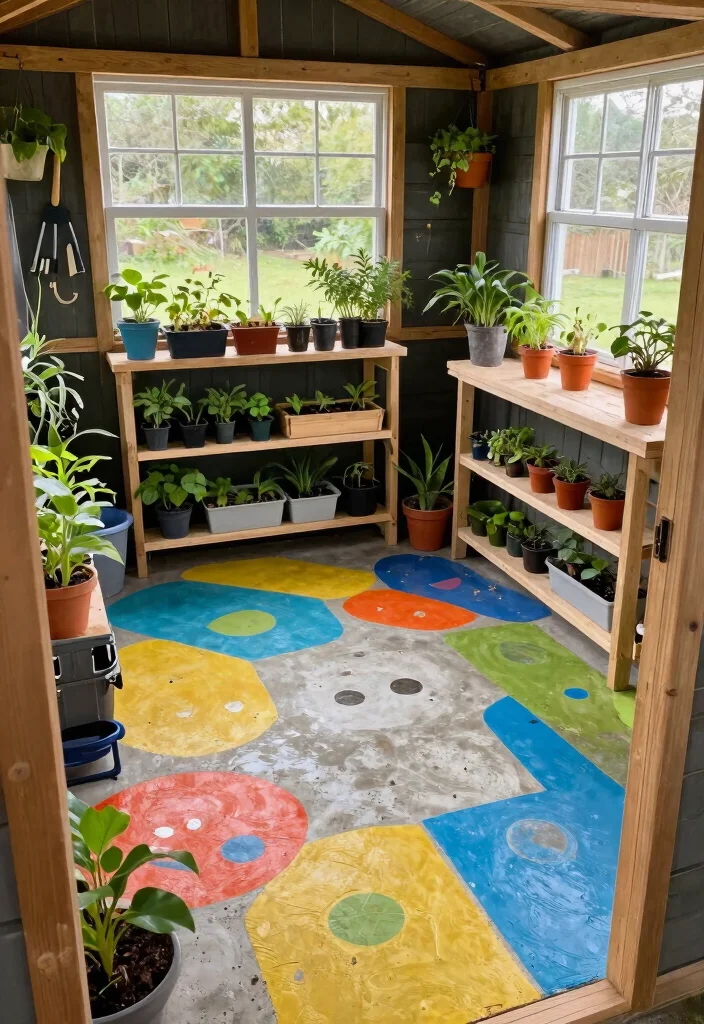
For the DIY enthusiast, the possibilities for crafting your own flooring are endless. From using reclaimed pallets to painting concrete, you can truly personalize your shed while saving money. DIY flooring offers a unique way to express your creativity and make your shed a reflection of your style.
When considering DIY options, think about the materials you have on hand or can easily source. Simple projects can be done over a weekend, and many materials are eco-friendly, allowing you to stay sustainable.
Explore these creative DIY flooring ideas:
– Build a floor from reclaimed pallets for a rustic look
– Paint your concrete floor with outdoor-safe colors for a fresh vibe
– Use cork tiles for a comfortable and stylish finish
With DIY flooring, you can easily create a space that showcases your personality while being kind to the planet.
Key Trade-offs & Our Top Pick
1. Reclaimed Wood
– Pros:
– Offers a rustic charm that enhances the aesthetic of any garden shed.
– Eco-friendly option as it recycles old wood, reducing waste.
– Can be quite durable if properly treated and maintained.
– Cons:
– May require regular maintenance to prevent rot or insect damage.
– Can be more expensive than other options, depending on availability.
– Installation may be tricky without prior DIY experience.
– Best for: Homeowners looking for a vintage feel and are willing to invest time into maintenance.
2. Eco-Friendly Stone
– Pros:
– Extremely durable and resistant to wear and tear, perfect for high-traffic areas.
– Natural look that blends seamlessly into garden environments.
– Low maintenance compared to wood options.
– Cons:
– Heavier and may require a professional for installation.
– Can be quite costly upfront.
– Limited insulation properties, which can affect temperature control inside the shed.
– Best for: Those prioritizing durability and a natural aesthetic, and who don’t mind the upfront investment.
3. Artificial Grass
– Pros:
– Provides a soft and comfortable surface, great for standing or working.
– Requires minimal maintenance, just occasional cleaning.
– Adds a green, lively look that enhances the garden’s aesthetic.
– Cons:
– Not as durable as stone or wood; may wear down over time.
– Can trap heat, making the shed warmer in summer.
– Potentially slippery when wet, which could be a safety concern.
– Best for: Gardeners looking for comfort and style, especially if the shed will be used for relaxing or light work.
4. Bamboo
– Pros:
– Sustainable and eco-friendly option, as bamboo grows quickly.
– Offers a unique and exotic look that stands out.
– Naturally resistant to moisture and pests, making it durable.
– Cons:
– Requires proper sealing to prevent water damage.
– Can be more expensive and less available than traditional wood options.
– May not be as widely understood by DIY enthusiasts, affecting installation.
– Best for: Those who want an attractive, eco-friendly flooring solution with a unique design element.
5. Rubber Flooring
– Pros:
– Highly durable and resistant to wear, perfect for heavy equipment.
– Provides excellent insulation, keeping the shed warm in winter.
– Easy to clean and maintain, with options for various colors and textures.
– Cons:
– Can emit a rubber smell initially.
– May not fit the aesthetic of a traditional garden shed.
– Potentially slippery when wet unless textured properly.
– Best for: Those storing heavy tools or equipment who need a tough, long-lasting solution.
Expert Recommendation:
Best Overall: Reclaimed Wood
Reclaimed wood shines as the top choice for most people. Its rustic charm adds character to your garden shed. While it requires some upkeep, the balance of aesthetic appeal and eco-friendliness offers great value. You can combine style with sustainability while enjoying its warm, natural look for years to come.
Why We Picked This:
We recognize that some might prefer durable options like stone or rubber for their functionality. If you’re looking for a unique touch, bamboo or artificial grass might be more appealing. The right choice ultimately depends on your specific needs—be it style, durability, or environmental impact. Each flooring option has its advantages, so weigh them against your priorities for the best fit!
Conclusion
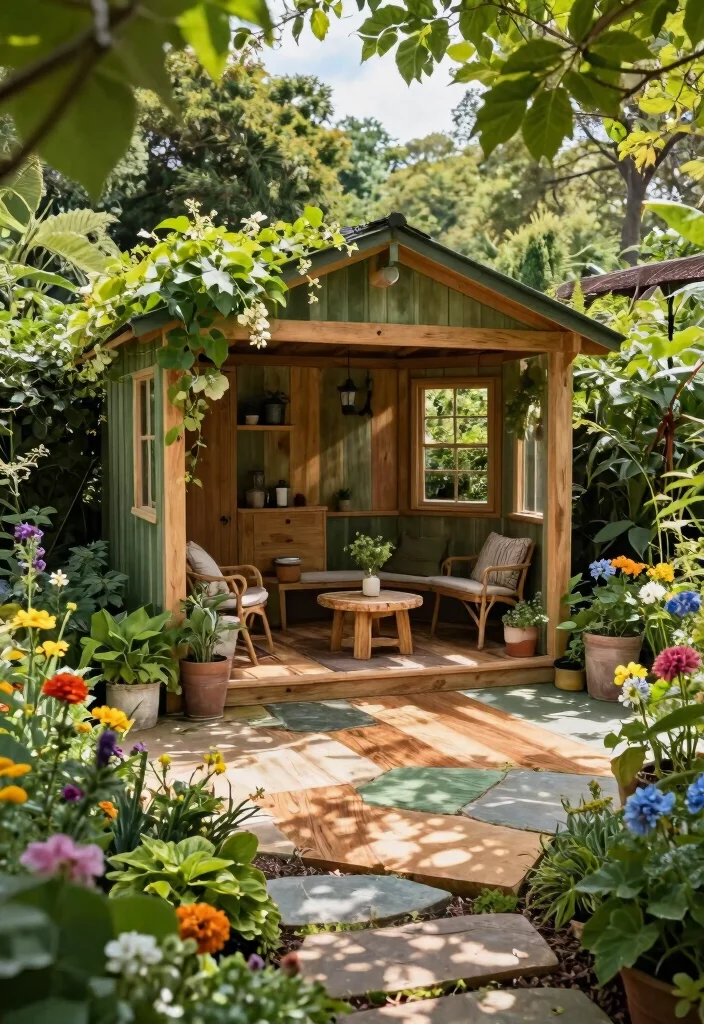
Choosing the right flooring for your garden shed is an exciting opportunity to express your style while maintaining a commitment to sustainability. With options ranging from reclaimed wood to rubber flooring or even DIY creations, you have the power to make your shed a functional and beautiful space for all your gardening needs.
Consider which materials resonate most with you and your gardening lifestyle, and don’t hesitate to mix and match for a truly personalized touch. Your shed can be both a workspace and a haven, perfectly reflecting your love for nature and the environment.
Note: We aim to provide accurate product links, but some may occasionally expire or become unavailable. If this happens, please search directly on Amazon for the product or a suitable alternative.
This post contains Amazon affiliate links, meaning we may earn a small commission if you purchase through our links, at no extra cost to you.
Frequently Asked Questions
What are the most durable eco-friendly garden shed flooring ideas?
There are several durable, eco-friendly options for garden shed flooring ideas. For moisture-prone areas, consider concrete with a breathable sealant or interlocking recycled rubber tiles. For a warmer look, sustainable materials like bamboo or reclaimed wood boards treated for outdoor use. Cork tiles add comfort and some insulation but need proper sealing against moisture. If you want low maintenance, look at composite decking boards or recycled plastic deck tiles. Pair any choice with a good underlayment and a breathable moisture barrier to protect your garden shed materials. These garden shed flooring ideas also work well with outdoor storage solutions to keep the space organized and dry.
How should I choose eco-friendly materials for garden shed flooring ideas?
Start with your location, climate, and how you’ll use the space. Consider moisture resistance, load capacity, and durability. Options include reclaimed wood, bamboo, cork, recycled rubber, linoleum or vinyl made from natural or recycled materials, and concrete with eco-friendly sealants. Check VOCs and off-gassing, and pick materials that are easy to clean. For installation, ensure a solid subfloor, add a moisture barrier, and use outdoor-rated fasteners. These garden shed flooring ideas should pair with outdoor storage solutions to stay organized, and with garden shed materials and flooring options for sheds to maximize longevity.
Are there DIY shed flooring ideas that are low-cost and durable?
Absolutely. Interlocking deck tiles made from recycled plastic are a fast, budget-friendly option that’s durable and makes DIY shed flooring straightforward. Painted or stained concrete is another low-cost, durable route. You can lay vinyl plank or linoleum over a clean, level subfloor for a water-resistant surface. Reclaimed pallet boards or cork tiles can work too if you seal and maintain them properly. Start with a clean subfloor, install a moisture barrier, and follow manufacturer directions for sealing and maintenance. These DIY shed flooring options pair nicely with outdoor storage solutions to keep tools and materials neatly stored.
What outdoor storage solutions complement garden shed flooring ideas?
To get the most from your garden shed flooring ideas, plan storage that reduces moisture and protects the floor. Consider heavy-duty shelving, pegboards, wall-mounted hooks, and labeled bins. Use rolling carts with durable casters on hard surfaces for easy access. Place entry mats to trap dirt at thresholds. If you’re using wood or cork, maintain ventilation and periodic sealing to prevent rot. This setup integrates well with garden shed materials and flooring options for sheds.
How do I maintain and clean eco-friendly shed flooring ideas to last longer?
Maintenance depends on the material, but here are general tips: sweep or vacuum regularly, wipe spills quickly, and use cleaners suited to your floor type.
For wood or bamboo, re-seal every 1–3 years and check for moisture damage.
Cork and bamboo need good ventilation and moisture control.
Recycled rubber tiles are simple to wipe down, but watch for indentations from heavy equipment.
Inspect for warping, cracks, or gaps and address them early to extend the life of your durable shed flooring ideas.


![13 Functional Garden Potting Shed Ideas [Plant Lovers Only]](https://delushome.com/wp-content/uploads/2026/04/13-Functional-Garden-Potting-Shed-Ideas-Plant-Lovers-Only-150x150.webp)


