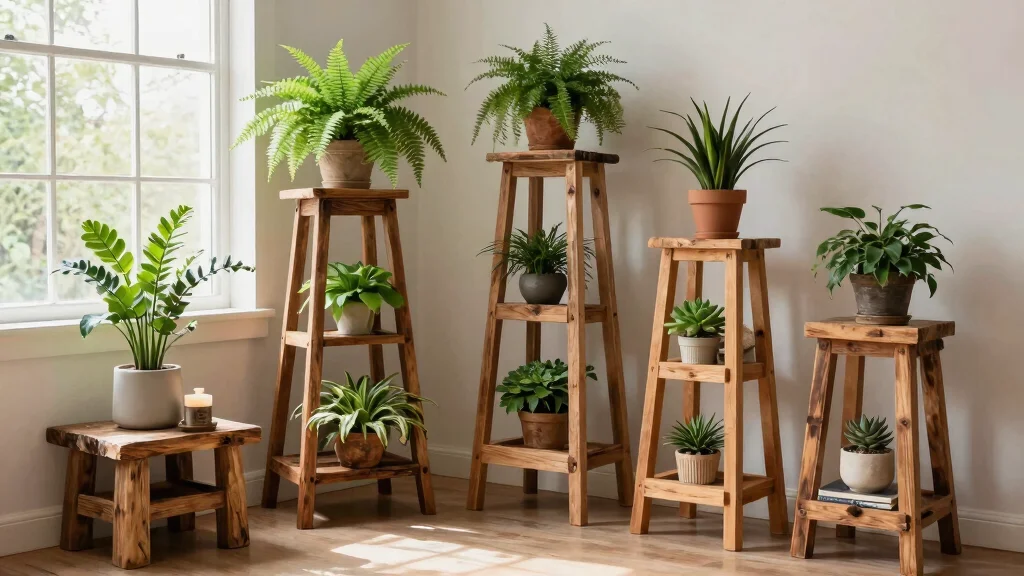
Creating a cozy indoor space feels essential these days, especially when we’re all looking for ways to bring nature inside. Indoor plants not only purify the air but also lift your mood and add a splash of color to your home. With that in mind, I’ve gathered some of my favorite indoor plant stand ideas that you can easily craft using reclaimed wood. This post aims to inspire you to elevate your indoor gardening game while embracing sustainability.
If you’re someone who cherishes home decor and loves the charm of indoor gardening, you’re in the right place. Whether you’re a seasoned plant parent or just starting to dip your toes in the world of indoor gardening, these DIY wood projects will suit your needs. Each stand is designed to showcase your plants beautifully while also enhancing your living space.
What can you expect? I’ve compiled a list of 13 easy indoor plant stand ideas that are unique, stylish, and functional. These projects are perfect for adding personality to your home while keeping your beloved plants happy and healthy. You’ll find a range of options, from minimalist designs to rustic styles, all crafted from reclaimed wood. Ready to get your hands dirty and transform your home? Let’s dive into these creative indoor plant stand ideas!
Key Takeaways
– Explore a variety of DIY indoor plant stand ideas using reclaimed wood to enhance your home decor and sustainable living practices.
– Each idea is designed to be simple and approachable, making them suitable for both beginner and experienced DIYers.
– These stands not only elevate your plants but also create an aesthetically pleasing indoor garden display.
– Get practical tips on how to choose the right design that fits your space, style, and plant needs.
– Discover how these projects can boost your indoor gardening experience while being mindful of the environment.
1. Minimalist Ladder Stand
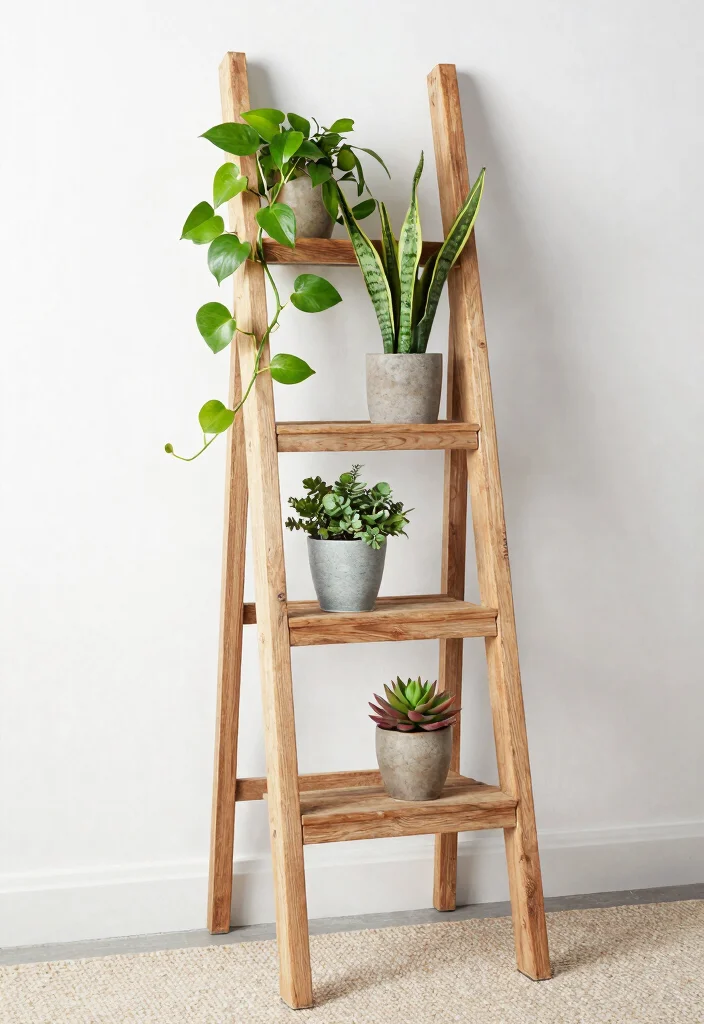
The minimalist ladder plant stand embodies simplicity while showcasing your indoor greenery with elegance. Its clean lines and open design allow your plants to shine, creating a soothing visual balance in your space. Consider using materials like reclaimed wood, which can be left natural or painted in soft hues to blend seamlessly with your decor. A light gray or muted white finish can enhance the modern aesthetic while highlighting the natural beauty of your plants.
To make this project even more appealing, choose a sturdy wood and ensure all edges are smooth. If you’re on a budget, look for second-hand wood or repurpose old furniture. This stand not only elevates your plants but also aligns with the growing trend of minimalistic design, helping to create a serene atmosphere.
Here are some practical tips for your ladder stand:
– Pair it with plants of various heights for added interest.
– Install hooks on the sides for hanging small pots.
– Use it as a bookshelf for decorative items or books!
This versatile stand enhances your home with its uncomplicated yet stylish approach, allowing the textures of the wood and plants to bring warmth into your space.
2. Rustic Cube Plant Stand
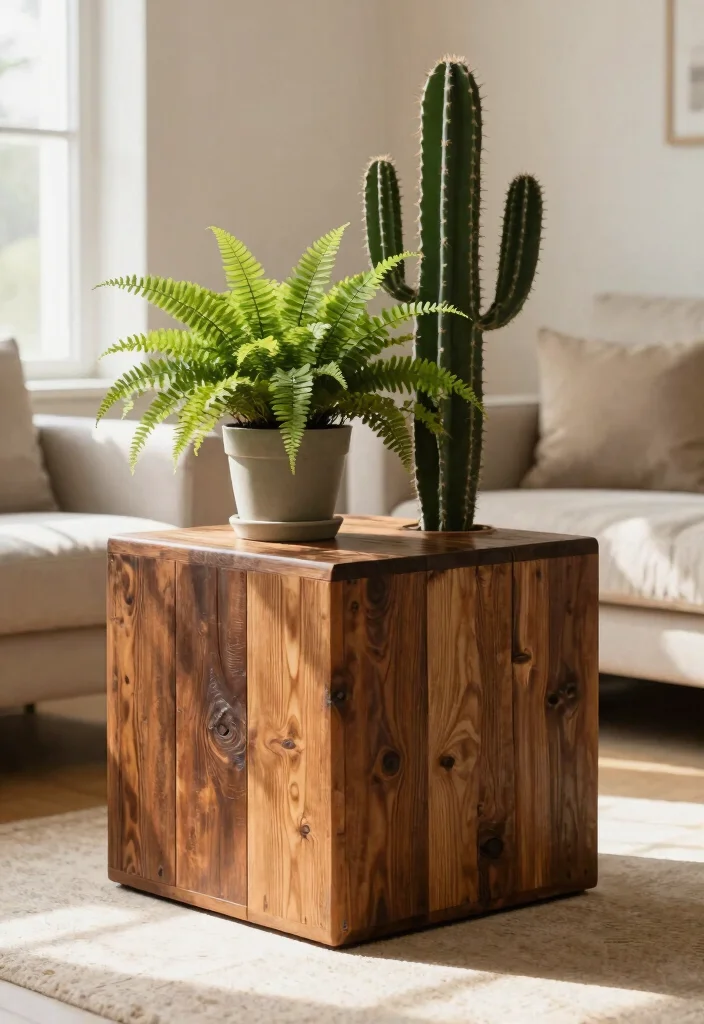
A rustic cube plant stand introduces a charming farmhouse aesthetic to your indoor garden. This simple structure provides a practical yet stylish solution for displaying multiple plants or even serving as a side table. Crafted from reclaimed wood, this stand can showcase natural imperfections, adding character to your decor. Imagine pairing it with deep green plants or vibrant flowers to create a delightful contrast.
For crafting, cut the wood into equal squares for the top and base, and rectangular pieces for the sides. A little distressing or a natural finish can enhance its rustic charm. This stand is ideal for corners, maximizing space while adding a cozy touch to your home.
Here are some tips to elevate your cube stand:
– Use varied wood stains for a unique appearance.
– Paint or stain to create contrast with vibrant plants.
– Add wheels for easy movement under sunlight.
This cube stand not only serves a functional purpose but also acts as an eye-catching statement piece in any room.
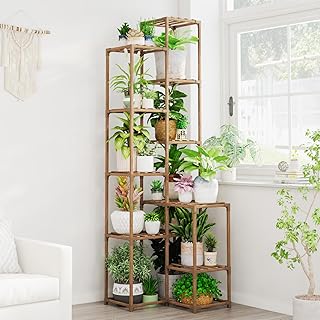
3. Tiered Plant Shelf
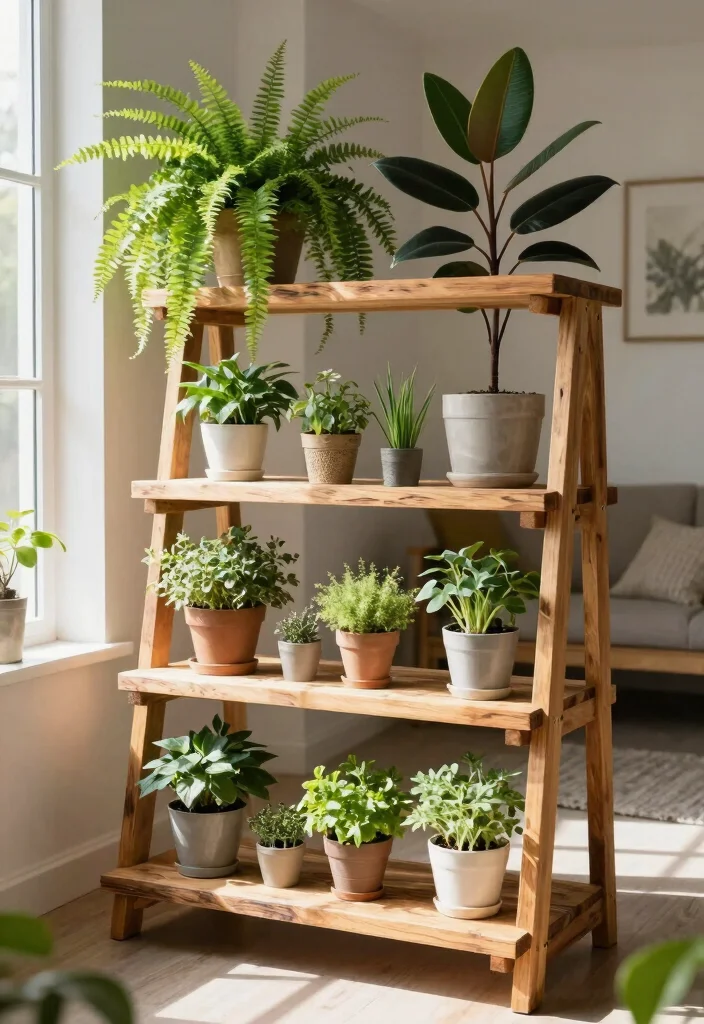
If you love displaying a variety of plants, a tiered plant shelf is your ideal solution. This multi-level design offers a fantastic way to showcase your greenery at different heights, creating a lively and inviting atmosphere. Using reclaimed wood, you can easily construct shelves that stand out as both functional and decorative. Consider arranging a mix of plants, from trailing vines to upright ferns, to create a dynamic visual experience.
When building, ensure you assemble secure shelves of varying lengths. You can attach them to a wall for a fixed installation or make a freestanding unit. This project not only gives each plant room to thrive but also adds depth and interest to your decor.
Here are some styling ideas for your tiered shelf:
– Use trailing and upright plants for a visually dynamic effect.
– Incorporate decorative pots for a cohesive look.
– Add fairy lights for a magical touch in the evenings.
This tiered shelf can easily become a focal point, transforming any room into a vibrant indoor garden.
Tiered Plant Shelf
Editor’s Choice



4. Hanging Wooden Crate Stand
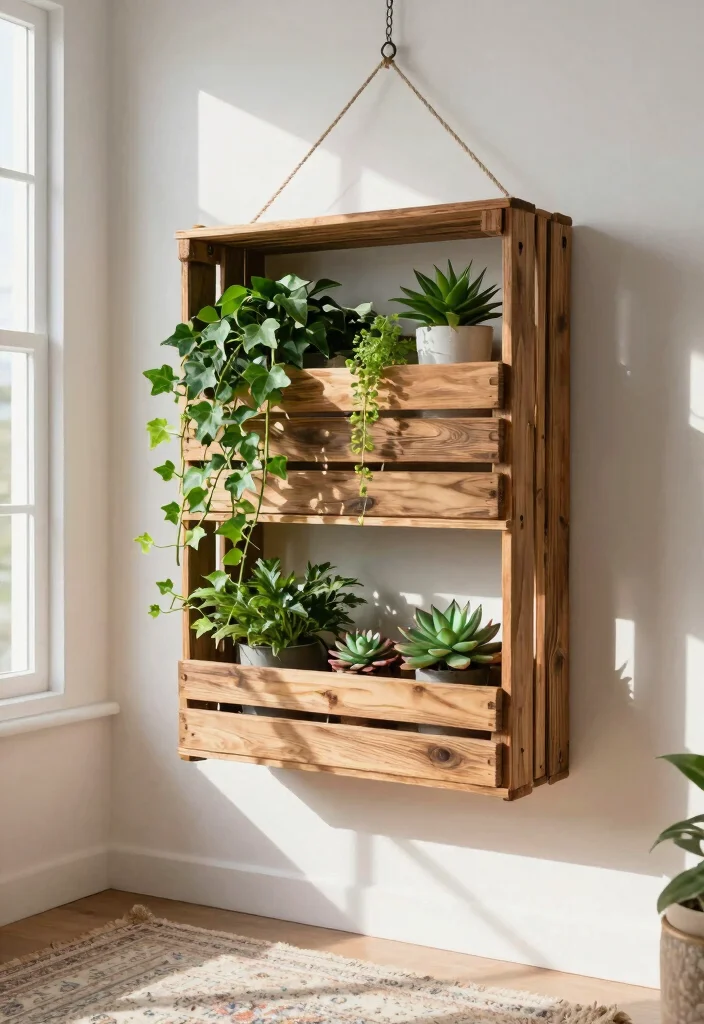
Hanging wooden crates offer a quirky and playful way to display your plants while maximizing vertical space. This unique design not only keeps your floor area free but also adds a charming character to your home. You can source reclaimed crates from flea markets or even build your own from leftover wood. Imagine how delightful it would be to watch your plants cascade from these crates!
To create your hanging stand, secure the crates to the wall using sturdy brackets or nails. Each crate can accommodate various plants, from lush trailing vines to small succulents, allowing for a beautiful arrangement. This setup encourages a delightful overflow of greenery.
Here are some tips to enhance your hanging crate stand:
– Mix in decorative items like books or photos for a personal touch.
– Position crates at different heights for a more dynamic look.
– Choose lightweight plants for easier installation.
This project not only showcases your indoor garden but also adds a rustic flair that complements your decor beautifully.
Relish in space-saving style with hanging wooden crates—it’s a simple, plant-fetching hack for indoor plant stand ideas diy wood. Reuse reclaimed crates, secure them with sturdy brackets, and let your greens cascade down each crate for a charming, practical display.
5. Multi-Purpose Pallet Stand
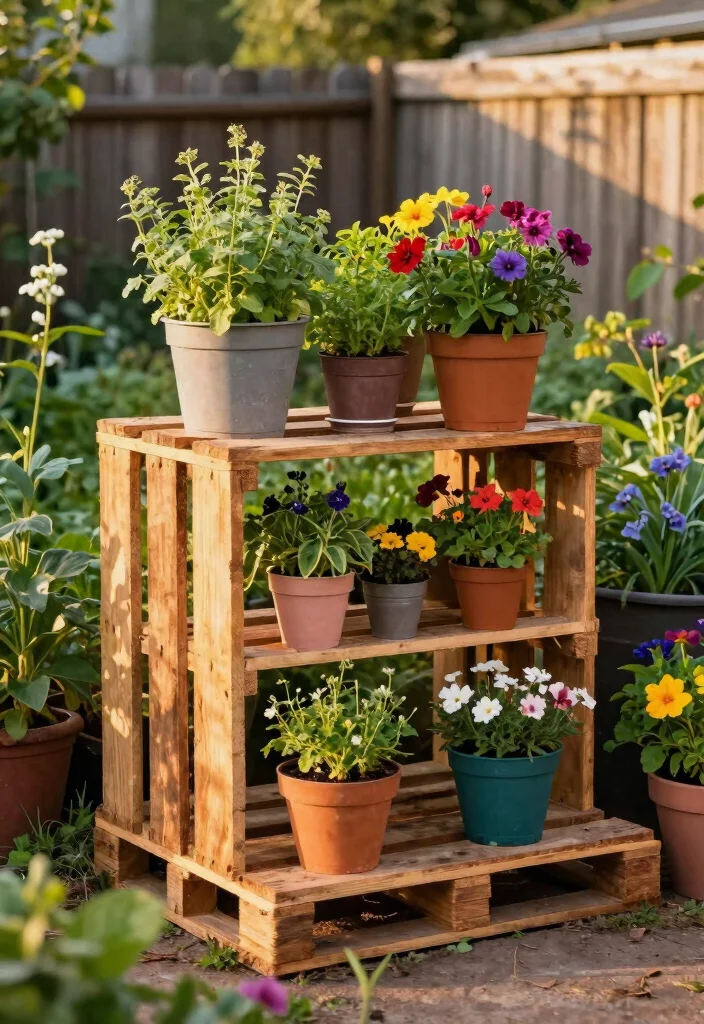
Creating a multi-purpose plant stand from reclaimed pallets is a fantastic way to combine functionality with creativity. This versatile design works well in both indoor and outdoor settings, making it a practical addition to your gardening space. By disassembling a pallet and sanding down the wood, you can create a rustic look that beautifully complements your plants.
You can keep the pallet in its original shape or customize it by adding shelves for added utility. With its sturdy construction, it can support heavier pots while showcasing your greenery. This project aligns perfectly with the trend of sustainable living, allowing you to repurpose materials creatively.
Here are some suggestions to improve your pallet stand:
– Add wheels for easy mobility around your space.
– Use it as a small table alongside plants for drinks or snacks.
– Paint or stain it to fit your decor style.
With a touch of imagination, this pallet stand can become a charming focal point in your home, enhancing both function and style.
6. Corner Plant Triangle
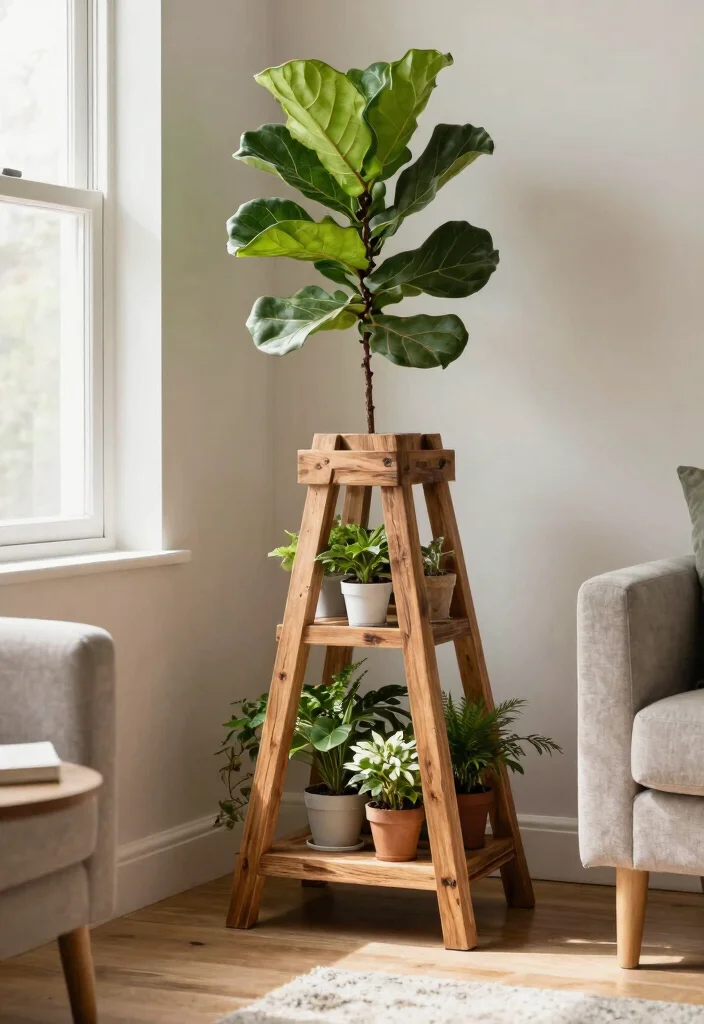
Maximize your corner space with a triangular plant stand that adds both character and functionality to your home. This innovative design fits neatly into corners while allowing you to showcase a variety of plants elegantly. Constructed from reclaimed wood, this stand can be painted or left natural to complement your decor.
To create your triangular stand, cut three equal sections of wood and assemble them into a sturdy unit. Ensure it can support heavier pots, making it suitable for various plant types. This design is perfect for smaller apartments, where every inch counts.
Here are some styling suggestions for your triangle stand:
– Display a mix of tall and short plants for visual diversity.
– Add decorative stones or fairy lights for extra charm.
– Position it near a window for the sunlight your plants crave.
This unique stand enhances your indoor gardening experience, making every corner a delightful showcase.
Corner plant triangles prove that small spaces can bloom with big style. Build with reclaimed wood to create indoor plant stand ideas diy wood that can support heavier pots and still stay slim in corners. Your home gets character and function—greenery flourish without clutter.
7. Vertical Garden Frame
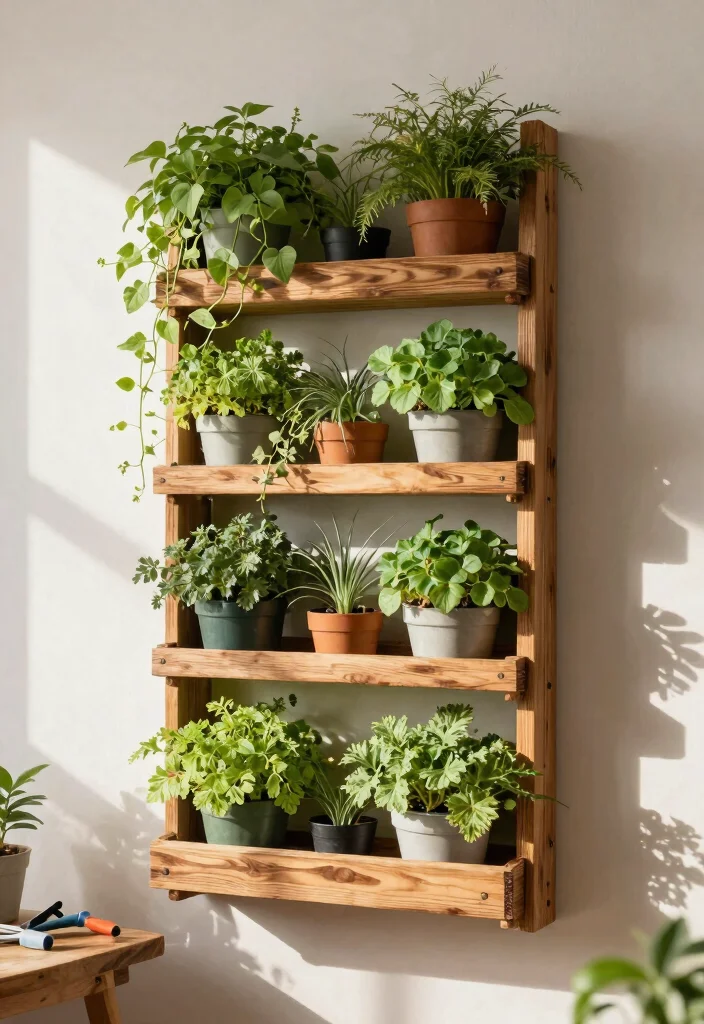
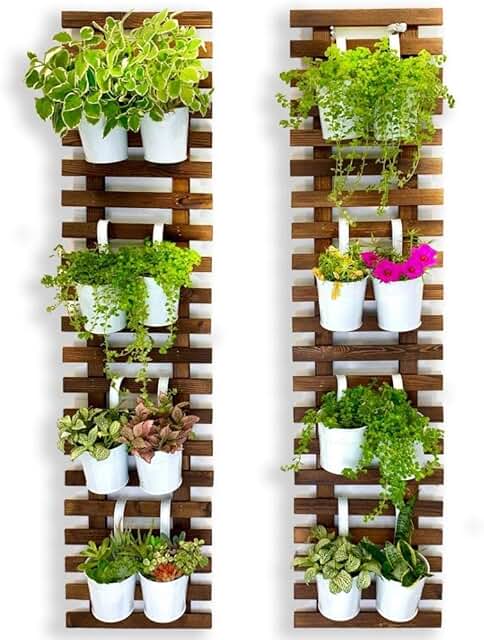
Transform your wall into a living art piece with a vertical garden frame! This design not only saves space but also allows you to display your plants in an artistic manner. Using reclaimed wood, create a sturdy frame that can hold pockets for your plants, making it both functional and beautiful.
To build your vertical garden, attach small planters or use landscape fabric for a textured look. Fill it with a variety of plants, from herbs to vibrant flowers, and hang it on a wall that receives ample sunlight. This project is a fantastic way to beautify your space while incorporating greenery.
Here are some tips to enhance your vertical garden frame:
– Use diverse plants with varying leaf colors and textures for intrigue.
– Integrate a drip system for convenient watering.
– Rotate plants regularly for even sunlight exposure.
This project will impress guests and family, creating a stunning display that breathes life into your walls.
Difficulty Rating & Requirements
Overall Difficulty Rating: Medium
Creating your own indoor plant stand can be a fun and rewarding project. However, the complexity can vary depending on the design you choose. Most of the ideas listed, like the Minimalist Ladder Stand or the Rustic Cube Plant Stand, require basic woodworking skills. This project is suitable for individuals with some DIY experience but can also be tackled by beginners willing to learn.
Time Estimate:
⏱ Estimated time: 3-5 hours
The time you need will depend on the specific stand you decide to build. For example, a simple wooden bench may take about 3 hours, while a more intricate design like the Tiered Plant Shelf could take up to 5 hours. Each phase, such as gathering materials, cutting wood, assembling, and finishing, will require careful attention and time.
Skill Requirements:
– Required skills: Basic woodworking, measuring, and assembly skills
– Beginner-friendly: Yes, with the right instructions and patience
While some skills like measuring and cutting can be learned quickly, others, like precise assembly and finishing, may require a bit of practice. If you are a beginner, watching tutorials or reading guides can help you develop these skills.
Tools & Materials Needed:
🧰 Essential items checklist:
– Measuring tape (required)
– Saw (required, either hand saw or power saw)
– Drill (required)
– Sandpaper (required)
– Wood glue (optional, depending on design)
– Paint or wood stain (optional for finishing touches)
– Clamps (optional for stability while assembling)
– Safety goggles (required for protection)
Step-by-Step Overview:
1. Planning and Design (1 hour): Start by selecting your design and measuring your space to ensure the stand fits well. Sketch out your ideas to visualize the final product.
2. Gathering Materials (1 hour): Head to your local hardware store or look for reclaimed wood. Collect all required tools and materials listed above.
3. Cutting and Assembling (1.5 – 3 hours): Cut the wood according to your measurements. Assemble the pieces using wood glue, screws, or both, depending on your design.
4. Sanding and Finishing (30 minutes): Sand the surfaces for a smooth finish and apply paint or stain if desired. Allow time for the finish to dry before use.
Professional vs DIY: Rough cost comparison and when to hire help.
Building your own indoor plant stand can save you money compared to hiring a professional. A simple DIY project may cost between $20-$50 based on materials. In contrast, buying a similar stand from a store can range from $75 to $200, depending on the design and quality. Hiring a professional could escalate the cost even further. If you feel uncertain about your skills, consider starting with an easier design or asking a friend for help.
8. Pedestal Plant Stand
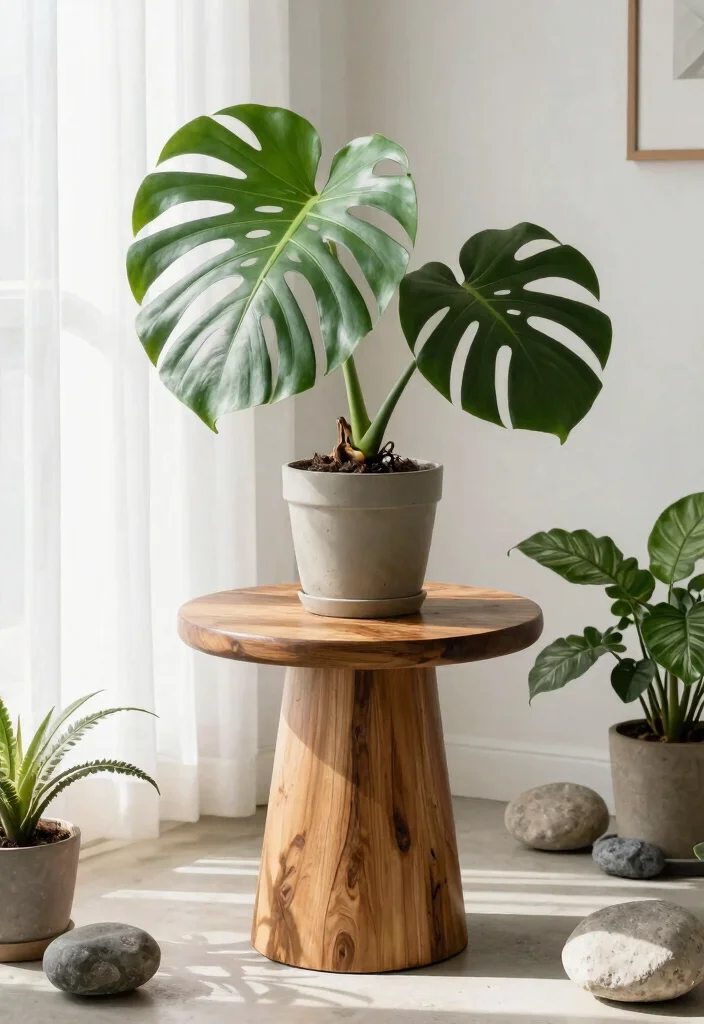
A pedestal plant stand adds a touch of elegance and sophistication to your indoor garden. This design elevates your plants, allowing them to capture attention and become striking focal points in your decor. Made from reclaimed wood, a circular base and top paired with a sturdy cylindrical section create a polished look.
This stand is perfect for entryways or living rooms, giving your plants the spotlight they deserve. Choose a bold plant, like a large monstera or vibrant orchid, to display on top, enhancing the overall aesthetic.
Here are some styling ideas for your pedestal stand:
– Paint it in a bright hue to make it pop.
– Arrange decorative stones around the base for added flair.
– Use it to showcase seasonal decor for a fresh look.
A pedestal stand not only highlights your plants beautifully but also elevates the sophistication of your indoor space.
Pedestal Plant Stand
Editor’s Choice


9. DIY Hanging Beams
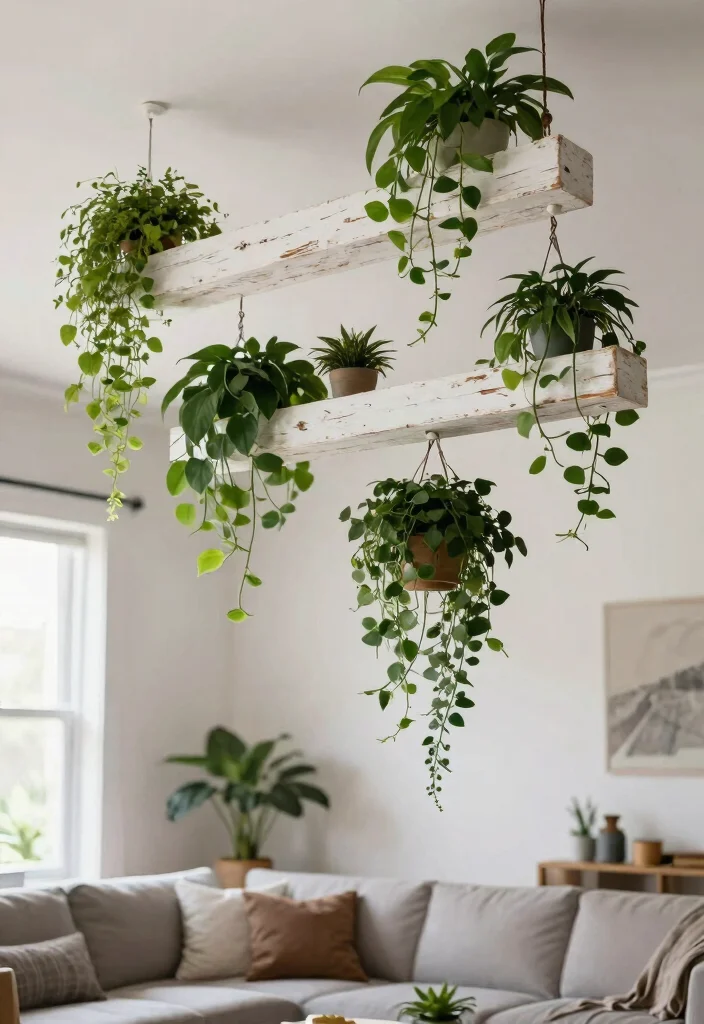
For a truly unique plant display, consider using hanging beams that create an open and airy feel in your home. This design involves suspending wooden beams from the ceiling, allowing you to showcase various plants in a stylish manner. Start by securing sturdy hooks into the ceiling and hanging reclaimed wooden beams at different heights for an eclectic look.
Attach pots or planters using chains or strong ropes, giving your plants room to cascade beautifully. This setup not only saves floor space but also adds an artistic flair to your decor.
Here are some tips to style your hanging beams:
– Incorporate trailing plants for a graceful effect.
– Paint the beams in a fun color for a whimsical touch.
– Vary the lengths of ropes for an eclectic appearance.
This project results in a one-of-a-kind plant display that stands out in any room.
DIY Hanging Beams
Editor’s Choice


![[Upgraded] 50FT Black Electroplated Steel Hanging Chain Roll, Pliers Inc...](https://m.media-amazon.com/images/I/81Zg0ti3R0L._AC_UL320_.jpg "13 Easy Indoor Plant Stand Ideas DIY Wood Projects 38")
10. Simple Wooden Bench
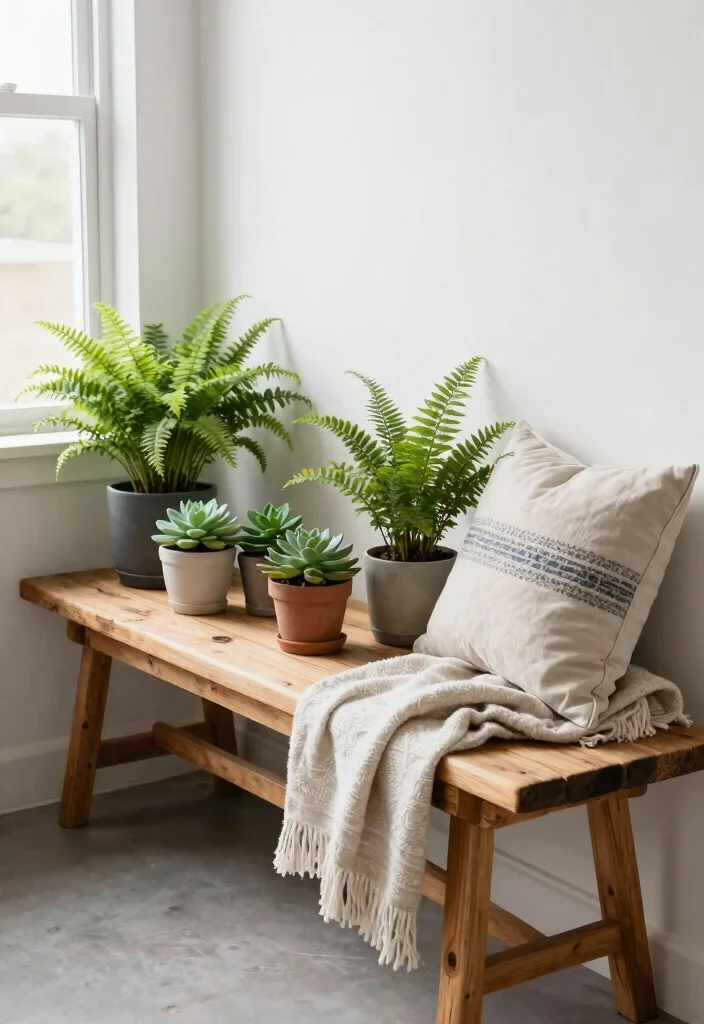
A simple wooden bench serves as a perfect multi-purpose plant stand while also providing extra seating. This rustic design fits seamlessly with any home decor, showcasing multiple plants beautifully. Constructed from reclaimed wood, you can leave it natural or paint it to match your interior colors.
Position the bench near a window to provide ample sunlight for your plants while adding a functional element to your space. This design is great for those who value both style and utility.
Here are some styling tips for your bench:
– Arrange plants at different heights for visual interest.
– Use it as a side table for drinks or books.
– Add cushions for comfort when using it as a seat.
This simple project is a stylish and functional addition for any plant lover’s home.
11. Wall-Mounted Plant Holders
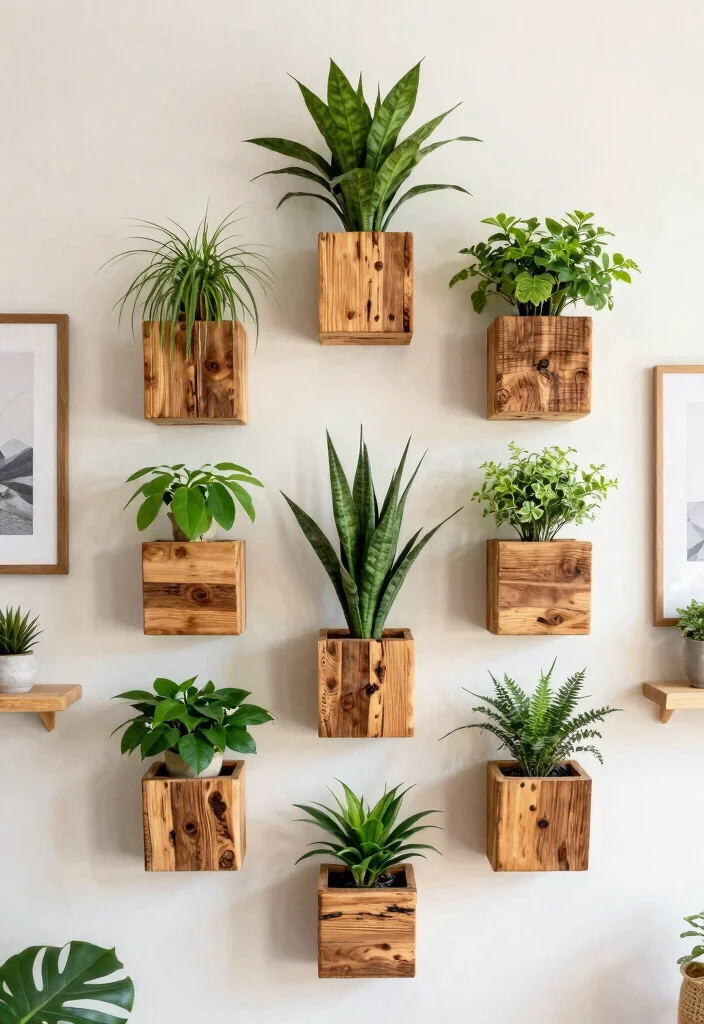
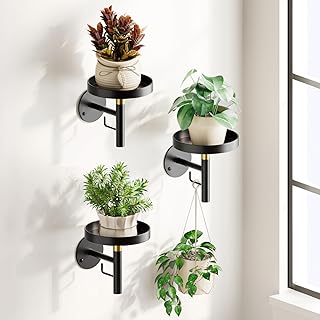
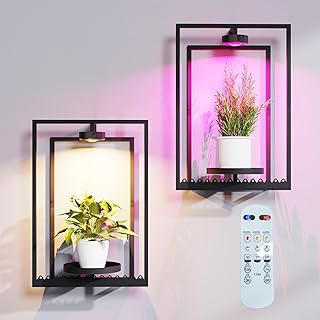
Wall-mounted plant holders are an excellent way to save space while showcasing your greenery. These holders can transform dull walls into vibrant displays, adding life and a lively atmosphere to your home. Simply craft them from small pieces of reclaimed wood or use small shelves, securely attaching them to the wall to support your chosen plants.
This project is straightforward and adaptable to any room, making it perfect for both small and large spaces.
Here are some ideas to elevate your wall-mounted holders:
– Experiment with different heights and orientations for visual interest.
– Use lightweight pots to ensure a secure fit.
– Accessorize the area with mirrors or art for added flair.
With this project, your walls can come alive with greenery, becoming a stunning part of your home decor.
Wall-Mounted Plant Holders
Editor’s Choice


12. Stacked Plant Boxes
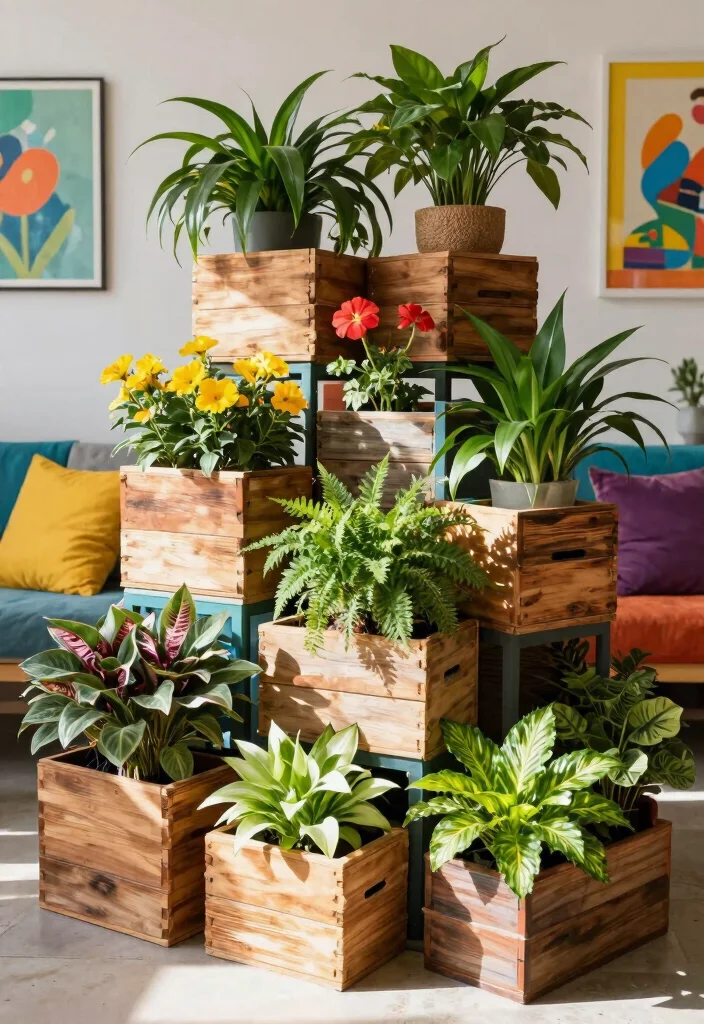
For a fun and quirky approach to plant displays, stacked plant boxes can bring a joyful vibe to your indoor garden. This design allows you to showcase various sizes and varieties of plants in a playful manner. You can build these boxes from reclaimed wood or reuse old crates, stacking them securely to create a stable unit.
Position them near a window or in a bright room to ensure your plants thrive, while adding a burst of color and life to your space.
Here are some tips to make your stacked boxes stand out:
– Vary the sizes for a dynamic visual display.
– Add decorative stones or fairy lights for extra charm.
– Ensure proper drainage in each box for plant health.
This project is perfect for adding vibrancy and personality to your indoor garden!
Fun fact: Stacked plant boxes using reclaimed wood can triple your vertical display without expanding floor space. Build a sturdy unit in a weekend, and you’ve got affordable, vibrant indoor plant stand ideas DIY wood.
Stacked Plant Boxes
Editor’s Choice




13. Reclaimed Wood Plant Frame
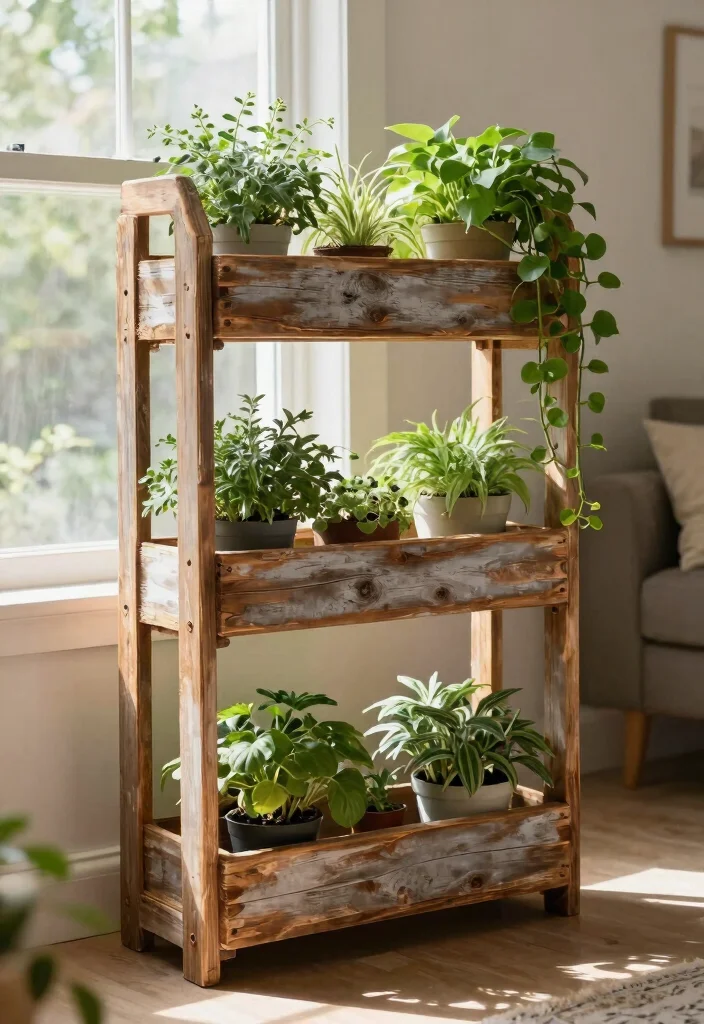
Transform your plants into stunning art pieces with a reclaimed wood plant frame. This design allows you to create a beautiful display for both indoor and outdoor settings, enhancing your decor while saving space. Use reclaimed wood to construct a rectangular frame that can hold pots or hanging plants, giving you the flexibility to hang it on a wall or lean it against a surface.
Customize the frame by painting the wood or applying a weather-resistant finish for outdoor use. This adds a personal touch while ensuring durability.
Here are some styling tips for your plant frame:
– Use a mix of hanging and potted plants for variety.
– Incorporate decorative elements like lanterns or fairy lights for added charm.
– Consider using it for displaying herbs in your kitchen!
This project adds a creative flair to any plant lover’s collection, turning your greenery into stunning displays.
Conclusion
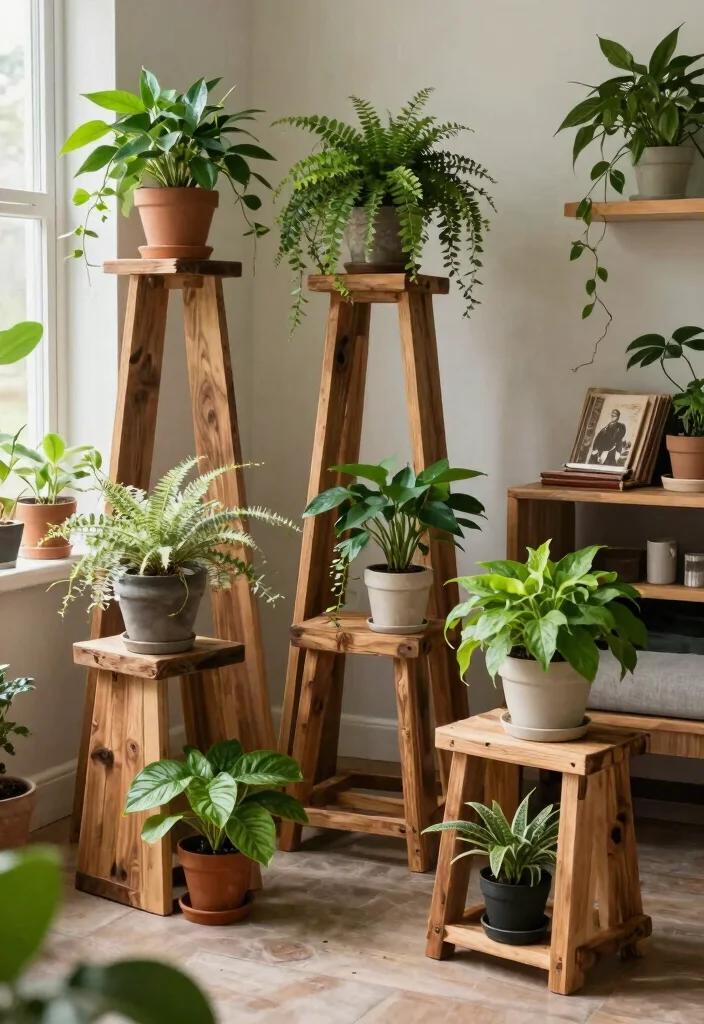
Creating your own indoor plant stands using reclaimed wood offers not just a sustainable option, but an opportunity to express your personal style. Each DIY project can enhance your indoor gardening experience, bringing nature closer to you while adding charm to your home.
Let your creativity flow and tackle one of these projects, or combine ideas for a unique twist that reflects you. Embrace the beauty of plants and make your home a sanctuary of greenery!
Note: We aim to provide accurate product links, but some may occasionally expire or become unavailable. If this happens, please search directly on Amazon for the product or a suitable alternative.
This post contains Amazon affiliate links, meaning we may earn a small commission if you purchase through our links, at no extra cost to you.
Frequently Asked Questions
What makes reclaimed wood ideal for indoor plant stand ideas DIY wood projects?
Reclaimed wood is ideal for indoor plant stand ideas diy wood because it’s sustainable, full of character, and often very sturdy for pots. It adds a unique texture for an indoor plant display and makes a great wooden plant holder in any DIY plant stand project. Plus, it fits neatly into home decor ideas and can be paired with different plant sizes for a cohesive look. Before you cut, inspect boards for nails, rot, or pests, then dry, sand smooth, and seal with a non-toxic finish to protect against moisture.
How do I determine the right size and spacing for an indoor plant stand?
Start by measuring the largest pot you plan to place on the stand, and add at least 1-2 inches of clearance on all sides for airflow and watering. Decide how many tiers you want based on space and plant collection; two or three tiers work well for most rooms. For stability, aim for a base width at least 1.5 times the pot diameter, and use sturdy boards (1 inch thick or more) for shelves. Leave about 10-12 inches of vertical space between tiers for medium plants; adjust up or down for very tall or very small pots. For a quick example, an 18-24 inch tall two-tier stand suits a group of 4-6 inch pots; larger pots might need a taller, wider design.
What tools and safety tips should I know before starting a wooden plant holder or indoor plant display DIY project?
Common tools include a saw (hand or power), drill, screwdriver, clamps, sandpaper or a sander, measuring tape, and a wood chisel for fine joints. Always wear safety gear: eye protection, gloves, and a dust mask; work in a well-ventilated area, especially when finishing. Since you’re using reclaimed wood, watch for nails, loose boards, or hidden mold—remove fasteners and dry or treat as needed before cutting. Use non-toxic finishes or sealants so your indoor plant stand is safe around kids and pets; pre-drill screw holes to prevent splitting.
Can I create a multi-tier indoor plant stand using reclaimed wood without sacrificing stability?
Yes, a multi-tier stand can be both beautiful and sturdy with the right design. Start with a wide base and, if possible, add cross-bracing or a back support to prevent wobble. Choose joinery that’s strong with reclaimed stock—screws plus wood glue, dowels, or mortise-and-tenon work well; adding metal brackets at corners can boost durability. Use thick shelves (1 inch or more) and even consider anti-slip feet or felt pads to keep the unit stable on smooth floors. Test the finished stand with weight similar to your heaviest plant before placing it in your home.
How can I style and integrate an indoor plant display using DIY wood plant stands into home decor ideas?
Think of your stands as furniture pieces rather than just shelves. Match the wood tone to your existing furniture or aim for a light, airy finish for a modern look. Group plants by height and texture across several stands to create an engaging vertical display. Add a mix of textures—rattan, ceramic pots, and metal accents—to keep it lively, while keeping the indoor gardening projects vibe. This approach works beautifully for home decor ideas and emphasizes a cohesive indoor plant stand ideas diy wood display.


![13 Functional Garden Potting Shed Ideas [Plant Lovers Only]](https://delushome.com/wp-content/uploads/2026/04/13-Functional-Garden-Potting-Shed-Ideas-Plant-Lovers-Only-150x150.webp)


