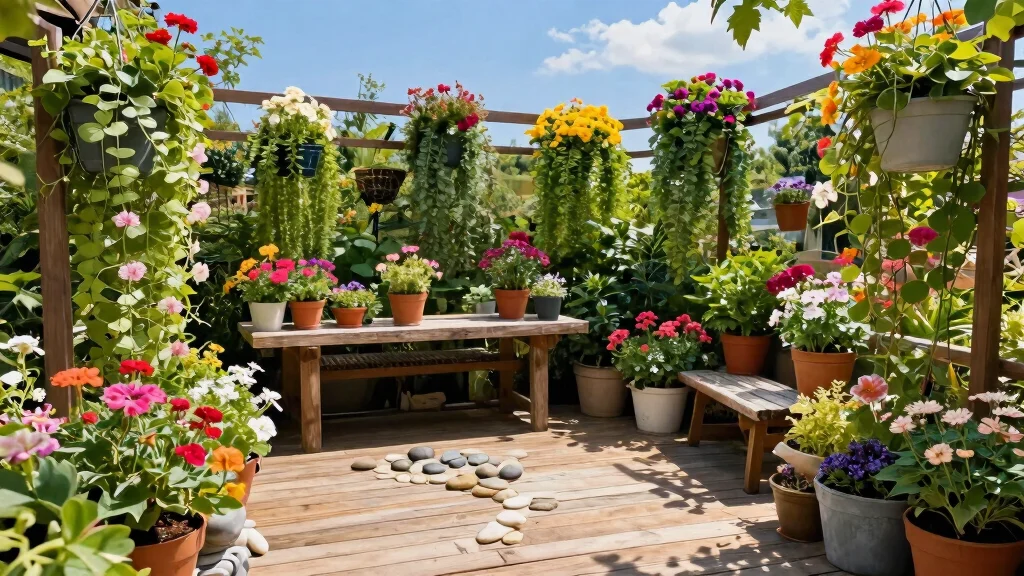
Creating a beautiful outdoor space has become more than just a hobby; it’s a way to express your creativity and connect with nature. If you’ve been looking for ways to enhance your garden or outdoor area, this post is for you. I’ve compiled some of the best outdoor planter decoration tips that will help you transform your space into a vibrant haven.
Whether you’re an experienced gardener or just starting with container gardening, you’ll find something valuable here. You might be aiming for a cozy backyard retreat, an eye-catching balcony, or a stunning patio display. No matter your goal, these tips will guide you in choosing the right container designs, arranging your plants, and embracing seasonal styles. You’ll discover gardening decoration tips that are fresh, fun, and perfect for any outdoor setting.
Get ready to dive into 9 expert outdoor planter decoration tips that will inspire your next gardening project. These ideas are designed to spark your imagination and help you create beautiful arrangements that will impress your family and friends. So let’s get started and elevate your gardening game!
Key Takeaways
– Explore the beauty of vertical gardens to maximize space. Using walls and fences for planters can add a lush feel without taking up ground space.
– Layered designs can elevate your outdoor aesthetic. Mix heights and types of plants for a dynamic look that draws the eye.
– Seasonal planting styles keep your garden fresh. Rotate flowers and greenery throughout the year to enjoy changing colors and fragrances.
– Incorporate textured containers to add depth. Combining materials like wood, metal, and ceramic can make your planters stand out.
– Consider edible garden planters for a practical touch. Grow herbs and vegetables alongside ornamental plants for a beautiful yet functional garden.
1. Vertical Garden Marvels
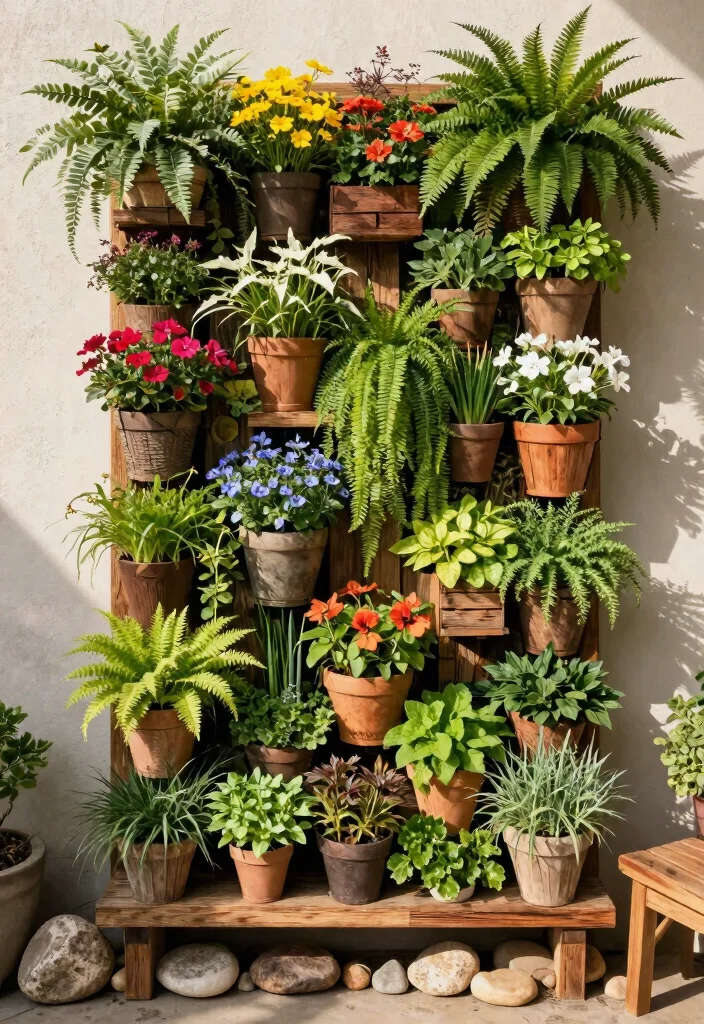
Vertical gardens are a fantastic way to make a bold statement while saving space in your outdoor area. These stunning displays can transform a blank wall into a vibrant tapestry of greenery. Imagine cascading vines, colorful blooms, and even fresh herbs climbing your walls, creating an inviting atmosphere that’s both practical and beautiful.
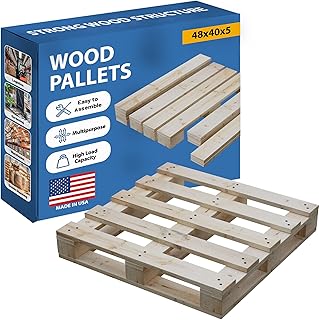
To bring this design to life, consider using wall-mounted planters that allow for an array of plants. Budget-friendly options include repurposed wooden pallets or hanging shoe organizers. This trend not only adds visual intrigue but also encourages a connection with nature right at home.
Consider these tips for crafting your vertical garden:
– Mix textures by combining trailing vines with bold flowers.
– Select plants according to sunlight exposure in your area.
– Use sturdy materials like treated wood for support.
Vertical gardens serve as captivating focal points, inviting interaction and delight into your outdoor space.
2. Layered Planter Designs
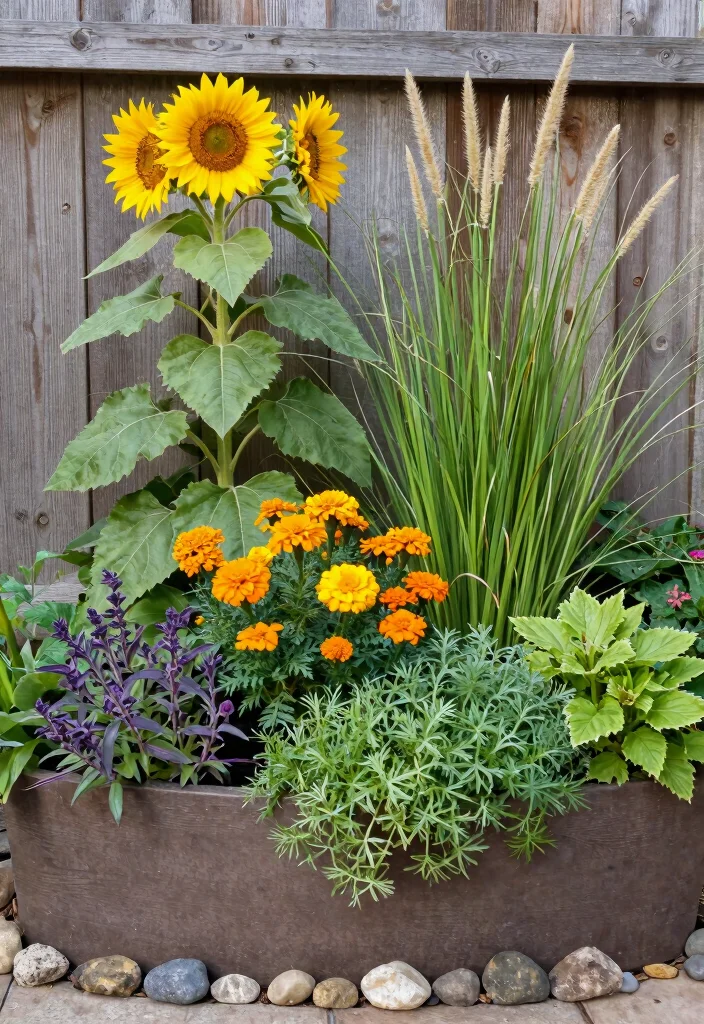
Layering plants in your planters creates a captivating visual experience that draws the eye. By arranging taller plants at the back and gradually moving to smaller ones, you can build depth and interest in your garden space. This technique shines in both pots and raised beds, creating a lush and vibrant display.
To achieve the best layered effect, choose a variety of plant heights and textures. You can find budget-friendly filler plants at local nurseries or garden centers. This method not only enhances aesthetics but also allows for seasonal changes that keep your garden fresh.
Try these techniques for layered planter designs:
– Choose a mix of tall, medium, and short plants for an appealing gradient.
– Incorporate charming filler plants to fill in gaps.
– Switch up textures with plants having varied leaf shapes.
Layering effectively creates a dynamic garden space that showcases seasonal blooms and foliage throughout the year.
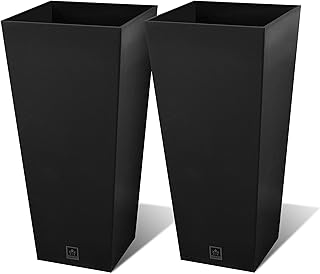
Fun fact: Layered planters use 3 height levels to add up to 60% more perceived depth, even on a small balcony. For great outdoor planter decoration tips, mix textures and heights—tall backs, shorter fillers, and trailing accents.
Layered Planter Designs
Editor’s Choice




3. Seasonal Splendor
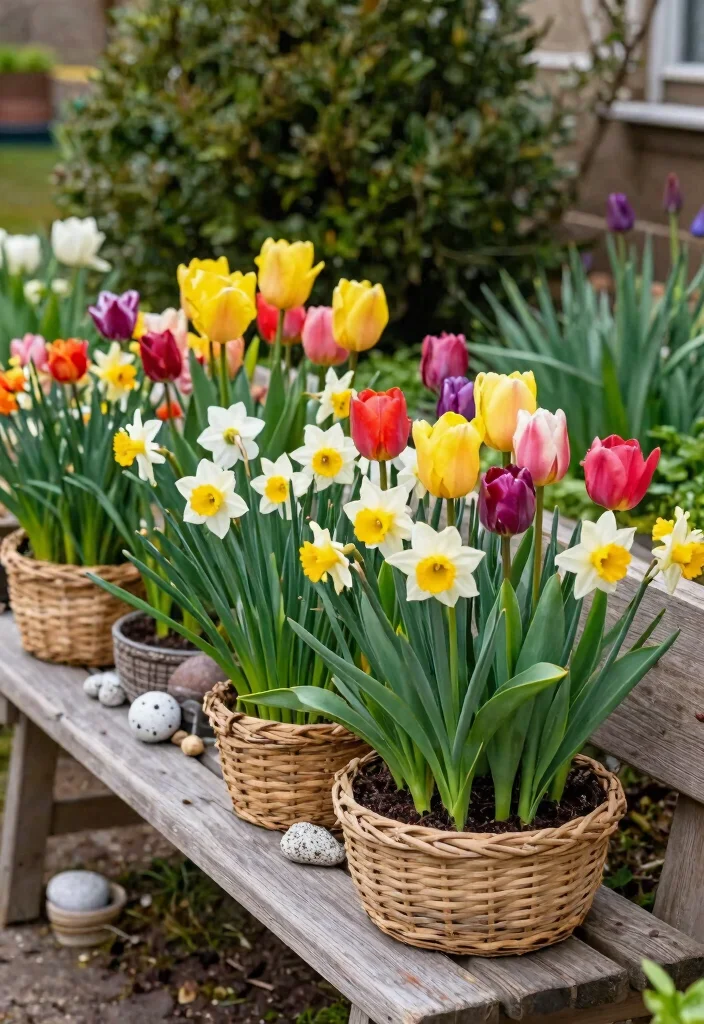
Embracing seasonal changes in your planter displays can keep your outdoor space lively and inviting. By rotating your plants to reflect the seasons, you welcome new colors and fragrances into your garden. Spring brings cheerful tulips and daffodils, while summer might be perfect for radiant sunflowers and zinnias.
To maintain seasonal interest, research which plants thrive at different times of the year. Mixing annuals with perennials adds both longevity and brightness to your arrangements. Seasonal decorations, like pumpkins in autumn, can enhance the visual appeal of your planters.
Consider these tips for seasonal planter arrangements:
– Research plants that thrive in specific seasons for success.
– Mix annuals and perennials for a dynamic look.
– Use seasonal decor like small pumpkins in fall.
By rotating your planters seasonally, you create a living canvas that evolves, bringing joy and variety throughout the year.
Seasonal Splendor
Editor’s Choice



4. Textured Containers
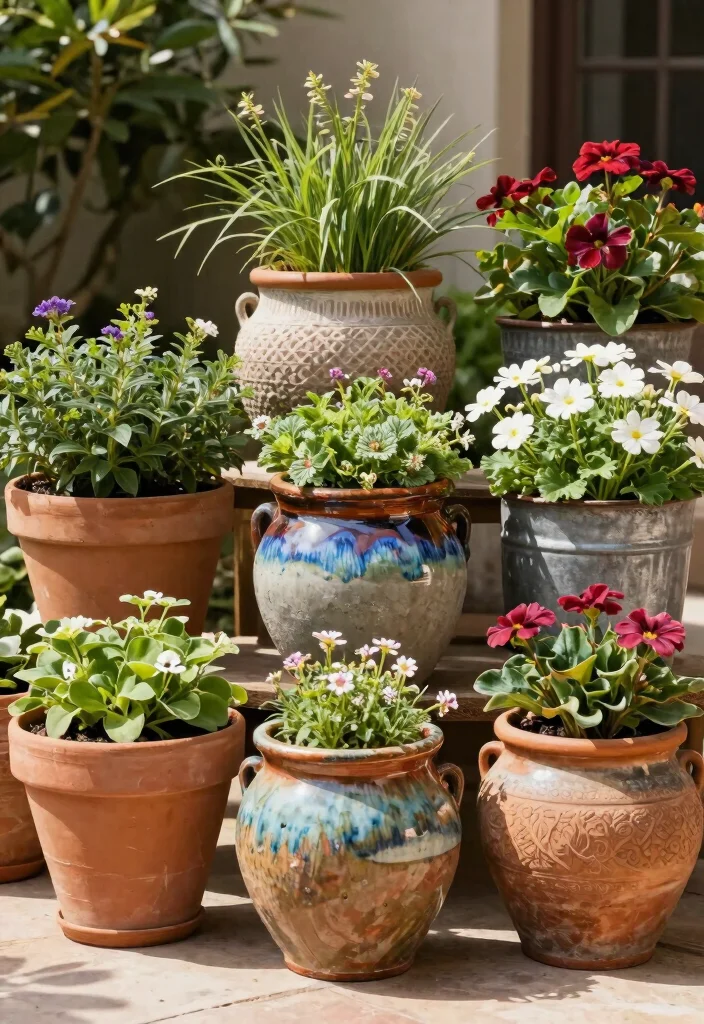
The right containers can elevate your planters, adding a unique visual element that enhances your garden. Textured containers, whether rustic terracotta or sleek metal, can create a beautiful backdrop for your plants. The materials you choose significantly influence the overall tone of your outdoor space.
Consider using natural materials like clay or wood for a harmonious feel with nature. Metal containers provide a modern touch and create striking contrasts with vibrant plants. Brightly colored pots can also inject a playful pop into your displays.
Explore these container ideas:
– Use natural materials like clay or stone for an organic vibe.
– Incorporate metal containers for a contemporary flair.
– Experiment with colorful glazes to brighten your display.
Creating harmony between your plants and containers enhances the overall aesthetic, making your garden a visual delight.
5. Whimsical Accents
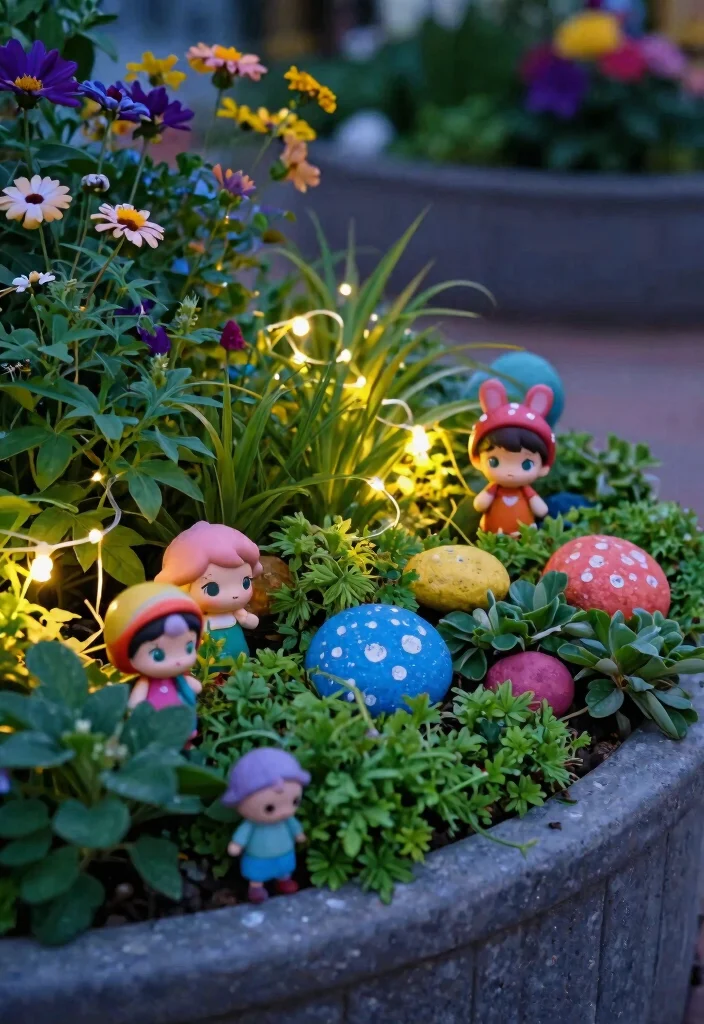
Introducing whimsical accents into your outdoor planters can turn them into delightful works of art. Fun decor elements can showcase your creativity and add a personal touch to your garden space. Think playful touches like miniature statues, colorful stones, or even enchanting fairy lights to create a magical atmosphere.
These accents can be sourced inexpensively at local craft stores or even made at home. Adding playful elements not only personalizes your garden but also invites joy and laughter into your outdoor oasis.
Try these whimsical accent ideas:
– Incorporate tiny garden gnomes or fairies for a fun touch.
– Use painted rocks or decorative pebbles to add texture.
– String fairy lights around planters for evening magic.
By adding whimsical accents, your garden becomes more inviting and reflects your unique personality.
Fun fact: adding 3–5 whimsical accents—mini statues, colorful stones, or fairy lights—can boost outdoor planter decoration tips and charm by 40%. Mix, match, and rotate—your space stays fresh.
Whimsical Accents
Editor’s Choice


6. Multi-Purpose Planters
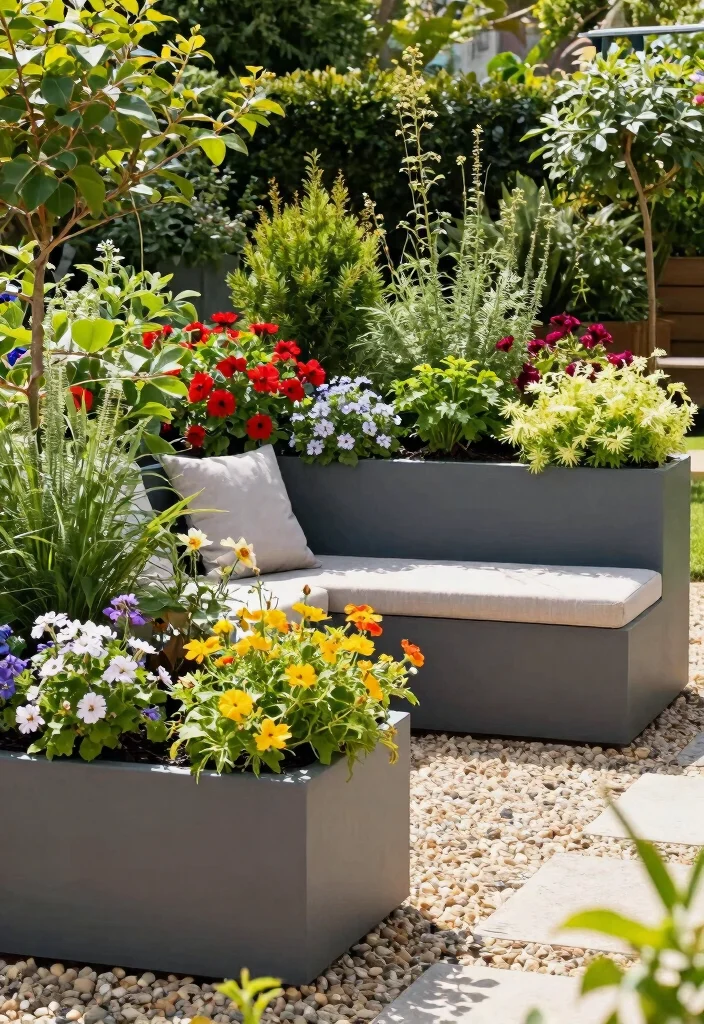
Multi-purpose planters are a smart solution for maximizing space while keeping your garden organized. These versatile containers can serve various functions, such as blending flowers and herbs or even providing additional seating. This creative approach allows you to make the most out of your outdoor area.
Consider using one planter for both ornamental flowers and edible herbs. Larger planters can double as seating, enhancing usability. Tiered planters provide vertical interest while maximizing space for different textures and colors.
Explore these ideas for multi-purpose planters:
– Combine herbs and flowers in one planter for beauty and function.
– Choose larger planters that can serve as extra seating.
– Create tiered arrangements to maximize vertical space.
Multi-purpose planters enhance your outdoor design while saving valuable space.
7. Color Coordination
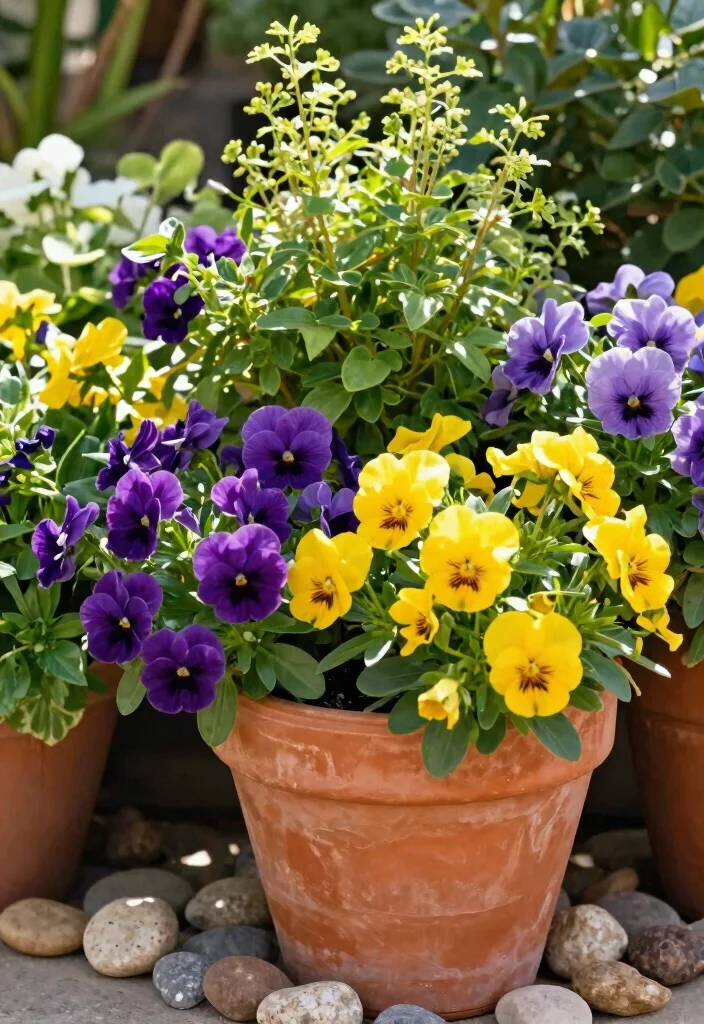
Establishing a cohesive color palette in your outdoor planters can create harmony and balance in your garden. Whether you lean toward vibrant hues or soft pastels, thoughtful color coordination can elevate your arrangements to artful displays. Selecting plants that complement each other enhances the overall visual impact.
To achieve effective color coordination, choose a specific color scheme, whether monochromatic or complementary. Focal points, like standout plants, can draw the eye and create interest. Balancing bursts of color with greenery provides visual relief and enhances the overall design.
Consider these tips for effective color coordination:
– Stick to a specific color palette for a cohesive look.
– Select one or two standout plants as focal points.
– Incorporate greenery to balance vibrant colors.
With careful attention to color, your outdoor planters can become breathtaking displays that enhance the beauty of your space.
Color Coordination
Editor’s Choice


Key Trade-offs & Our Top Pick
Option 1: Vertical Planters
– Pros:
✔ Save space by utilizing vertical space.
✔ Great for small patios and balconies.
✔ Allows for creative and artistic displays.
– Cons:
❌ Can require more frequent watering due to drainage issues.
❌ Some designs may be unstable in windy conditions.
❌ Limited plant selection may not suit all gardeners.
– Best for: Urban dwellers with limited space who want a lush garden feel.
Option 2: Layered Planters
– Pros:
✔ Provides depth and visual interest in your garden.
✔ Ideal for plants with different growth habits.
✔ Can be used to showcase seasonal flowers beautifully.
– Cons:
❌ May require more soil and materials, increasing initial costs.
❌ Can become heavy when filled, making repositioning difficult.
❌ Needs careful planning to avoid overcrowding.
– Best for: Gardeners looking to create a stunning focal point with diverse plant varieties.
Option 3: Whimsical Accents
– Pros:
✔ Adds personality and charm to your outdoor space.
✔ Fun and engaging for children and guests alike.
✔ Affordable options are available, making them accessible.
– Cons:
❌ May clash with more formal garden styles.
❌ Requires regular updates to keep the design fresh.
❌ Can be less durable if made from cheaper materials.
– Best for: Families and those looking to add a playful touch to their garden.
Expert Recommendation:
Best Overall: Vertical Planters
Vertical planters are the best choice for most gardeners. They maximize your space while allowing creativity in arranging plants. These planters are generally easy to maintain and can fit into various outdoor styles. With their versatility, they can house a range of plants, from herbs to flowering species, making them a practical option for both beginners and experienced gardeners.
Why We Picked This:
While vertical planters shine in many scenarios, layered planters are great for those wanting a more structured or themed garden. Whimsical accents are perfect for people who want to create a fun atmosphere but might not appeal to those with a more formal garden vision. Assess your needs and style preferences before making a decision.
8. DIY Planter Projects
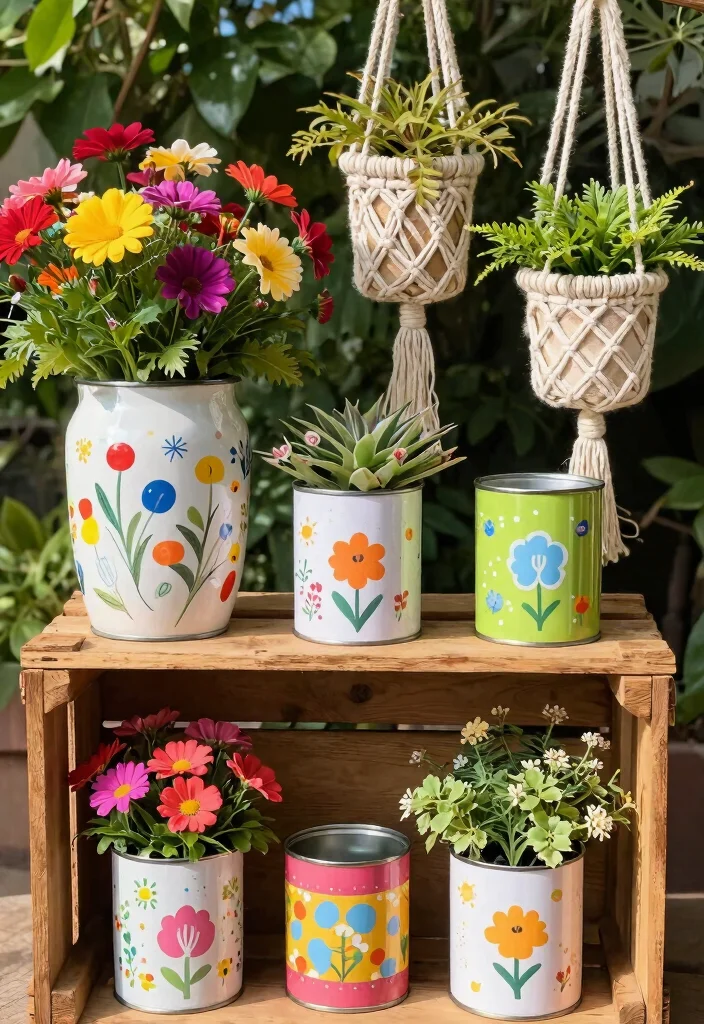
Creating your own planters can be a rewarding project that adds a personal flair to your outdoor area. DIY planters allow for unique customization, turning everyday objects into stunning container gardens. From upcycled wooden crates to painted tin cans, the possibilities for creativity are endless.
Start with simple projects like using wooden pallets for rustic planters or transforming old teacups into quirky containers. Hanging planters made from macramé can add a bohemian touch to your garden. Crafting your own planters not only saves money but also gives you a chance to express your artistic side.
Explore these DIY planter projects:
– Use wooden pallets to create rustic, multi-pot planters.
– Transform old teacups into charming planters with drainage holes.
– Create hanging planters with macramé or wire.
DIY planters offer a unique opportunity to showcase your creativity while enhancing your garden’s charm.
DIY planter projects turn clutter into charm—fast. With outdoor planter decoration tips in mind, upcycled crates or teacups become bold, personalized containers you can finish in just a few hours.
DIY Planter Projects
Editor’s Choice



9. Edible Garden Planters
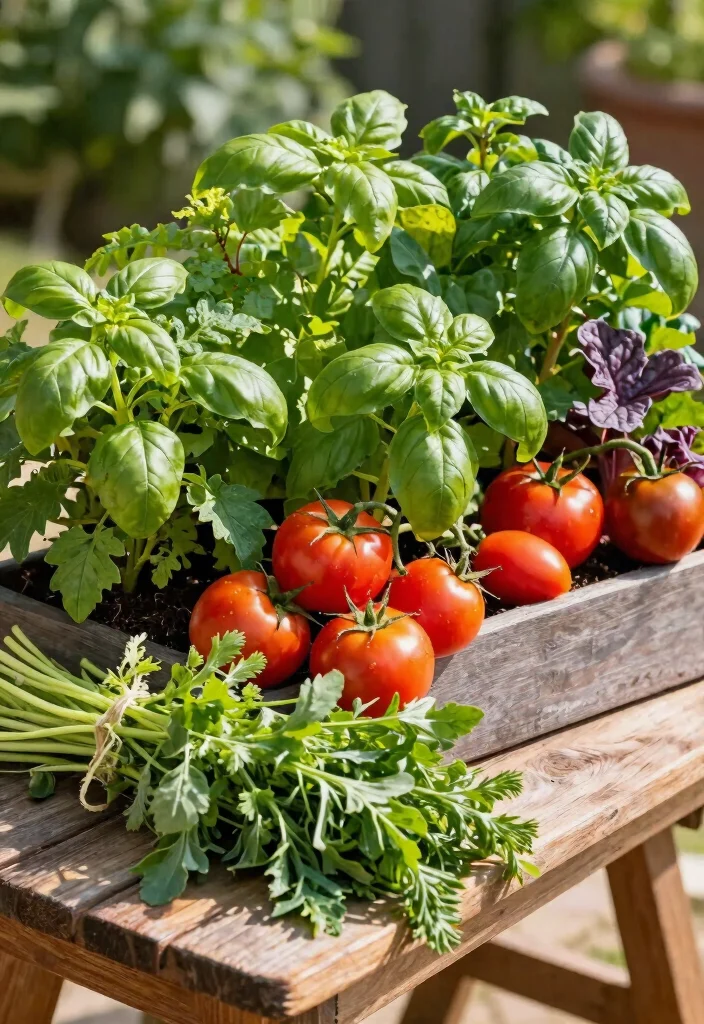
Incorporating edible plants into your outdoor planters is a delightful way to enhance both beauty and functionality in your garden. Growing herbs, vegetables, or fruits alongside ornamental plants creates a vibrant and productive space. Not only do these edible planters look fantastic, but they also provide fresh ingredients for your meals.
To maximize growth and flavor, choose companion plants like tomatoes and basil. Consider smaller vegetable varieties that thrive in pots, such as dwarf peppers or cherry tomatoes. Planning for easy maintenance ensures convenient access for watering and harvesting.
Consider these tips for successful edible garden planters:
– Pair companion plants that benefit each other for better growth.
– Utilize smaller vegetable varieties perfect for container gardening.
– Ensure easy access for watering and harvesting.
Edible garden planters allow you to enjoy the aesthetic of gardening while cultivating fresh ingredients for your kitchen.
Conclusion
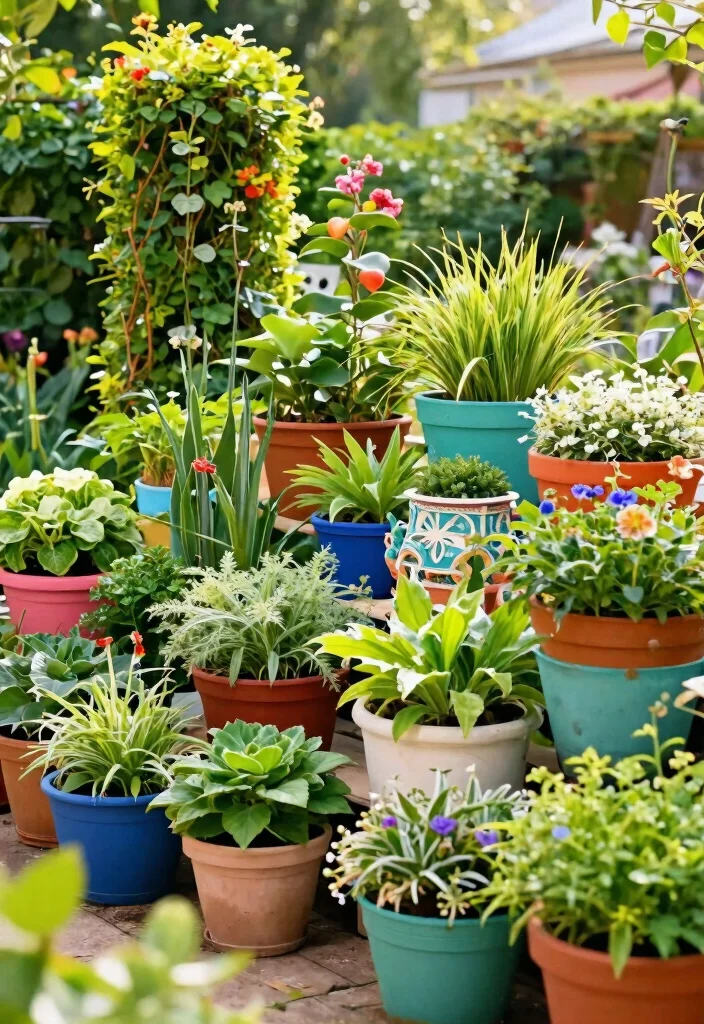
Incorporating these outdoor planter decoration tips can truly transform your gardening experience, making it more enjoyable and visually striking. Whether you’re experimenting with vertical gardens or embracing seasonal changes, the possibilities are endless. Don’t hesitate to mix and match ideas to find what resonates with your personal style!
Happy gardening!
Note: We aim to provide accurate product links, but some may occasionally expire or become unavailable. If this happens, please search directly on Amazon for the product or a suitable alternative.
This post contains Amazon affiliate links, meaning we may earn a small commission if you purchase through our links, at no extra cost to you.
Frequently Asked Questions
What are the best outdoor planter decoration tips for vertical setups?
Vertical displays can transform small spaces. Start with a sturdy vertical planter or wall-mounted system and ensure good drainage. Choose a cohesive color story that works with your container gardening ideas. Mix textures by combining trailing vines, upright focal plants, and leafy fillers to add depth. Vary pot shapes and heights to create visual interest while keeping a unifying rhythm. Add a simple irrigation solution to keep plants hydrated with less maintenance, and rotate seasonal accents for year‑round impact.
By following these outdoor planter decoration tips, your vertical garden will look intentional and lush all season.
How can I use container gardening ideas to create a stunning planter arrangement?
Turn container ideas into a cohesive display by pairing 2–4 containers with a shared color family and texture. Use planter arrangement techniques like clustering, lines, or diagonals to guide the eye. Create a focal plant at the center or at varying heights, then fill with complementary fillers and spillers. Layer your plantings as thriller, filler, and spiller to add depth. Plan for seasonal changes so you can swap in fresh colors without redoing the whole display. Use durable, weather-resistant planters and smart drainage to keep maintenance low.
These container gardening ideas help you craft a stunning arrangement that looks intentional from curb to doorway.
What seasonal planting styles work best for outdoor planter designs?
Seasonal planting styles keep your outdoor planters looking fresh year-round. In spring, choose bright greens and blooming annuals to brighten entryways. In summer, use heat-tolerant varieties with consistent water and sun exposure. In fall, mix warm tones, ornamental grasses, and rustic textures for a cozy vibe. In winter, lean on evergreens, berries, and sculptural branches for structure. For each season, adjust your gardening decoration tips to color, texture, and maintenance needs, and rotate plants as conditions change.
Using these seasonal planting styles helps you maintain impact without constant redesign.
What are common planter arrangement techniques to maximize curb appeal?
Planter arrangement techniques focus on balance, rhythm, and focal points. Start with a strong focal plant, then add supporting fillers and trailing accents. Place larger plants opposite each other for symmetry or use the rule of thirds for a dynamic look. Repeat a splash of color or texture across containers to create unity. Mix textures—glossy leaves with soft, feathery foliage—and add a vertical element like a tall stake or trellis. Keep scale in check so the display feels cohesive rather than crowded.
With these gardening decoration tips, your curb appeal will be instantly elevated.
How do I choose outdoor planter designs that fit my space and climate?
Start by measuring the space, noting sun exposure, wind, and drainage. Choose durable outdoor planter designs that suit your climate—think resin or metal for sun, wooden options with proper sealing for moisture, and lightweight options if you need mobility. Ensure good drainage and consider wheels for easy positioning in windy areas. Pick pot sizes and mounting options that match your plants’ growth and the available space, then coordinate colors and materials with your home’s style. By aligning design with space and climate, you’ll get outdoor planter designs that stay beautiful season after season.
Remember to prioritize outdoor planter designs that are practical and pretty at the same time.


![13 Functional Garden Potting Shed Ideas [Plant Lovers Only]](https://delushome.com/wp-content/uploads/2026/04/13-Functional-Garden-Potting-Shed-Ideas-Plant-Lovers-Only-150x150.webp)


