
Finding beauty in the darker corners of your garden can be quite a challenge. If you’ve ever looked at a shady spot and thought, “What can I do with this?” you’re not alone. We all want our outdoor spaces to shine, regardless of how much sunlight they receive. That’s why I created this post. I want to show you how to turn those dim areas into lush, vibrant spaces that can thrive with the right shade-loving plants and creative planter designs.
This guide is perfect for gardeners of all levels who are looking to transform those tricky shaded spots. Whether you’re a seasoned green thumb or just starting out, you’ll find practical advice and easy-to-implement ideas. You care about making your outdoor space as inviting as possible, and I pulled together nine outdoor shade planter ideas that are unique, functional, and sure to give your garden that extra charm.
Get ready to explore vertical planters, tiered designs, and even hanging baskets. You’ll discover the best shade-loving plants to fill your planters and tips for maintaining them. Whether you’re searching for innovative container gardening tips or just want some inspiration for garden corner solutions, this post has got you covered. Let’s transform those darker corners into delightful retreats!
Key Takeaways
– Maximize Vertical Space: Vertical planters are a great option for shaded areas, allowing you to grow multiple plants without taking up ground space.
– Choose the Right Plants: Shade-loving plants, such as ferns and heucheras, thrive in low light and add beauty to your outdoor space.
– Experiment with Containers: Try unique outdoor planter designs using materials like wood, metal, or even recycled items to add character to your shaded corners.
– Incorporate Layers: Tiered planters create depth and dimension. They can help your garden look fuller while making the most of limited sunlight.
– Plan for Year-Round Interest: Seasonal arrangements ensure your shaded areas stay lively throughout the year. Consider incorporating perennials that bloom at different times.
1. Vertical Planters: Maximizing Space in Shade
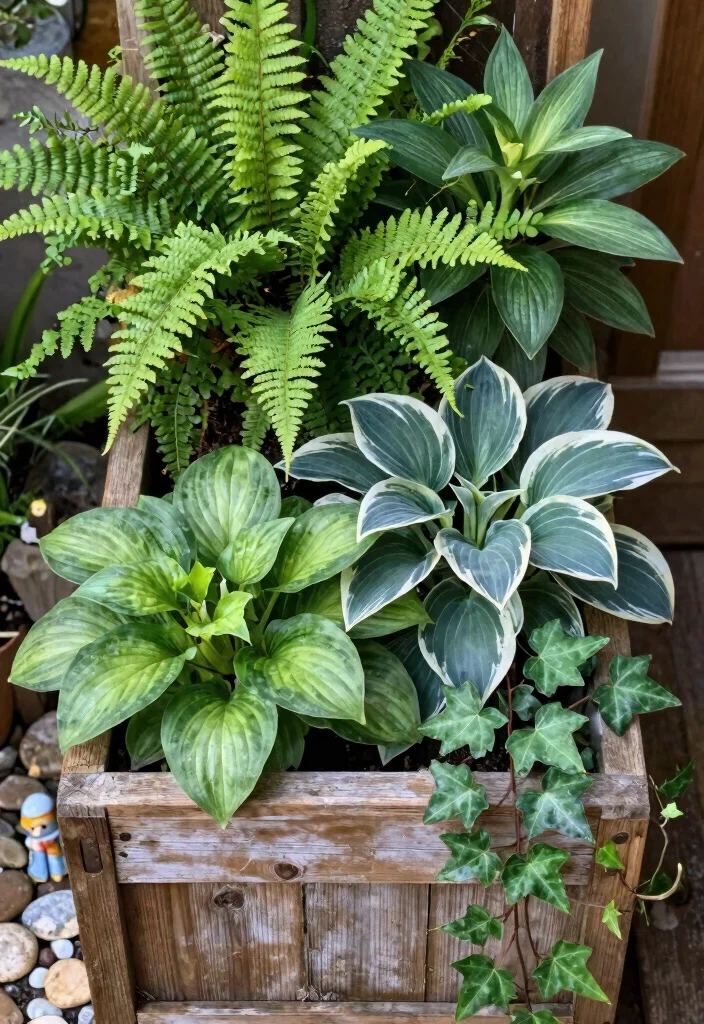
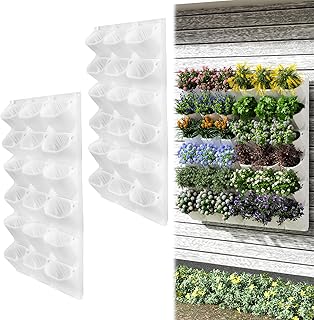
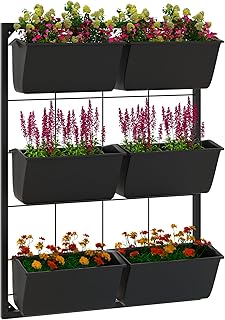
If you’re looking to transform your shaded areas, vertical planters are a fantastic choice. They help you make the most of limited space while allowing a variety of shade-loving plants to thrive. You can easily create one from wooden pallets or opt for stylish pre-made designs that suit your aesthetic.
Think about incorporating plants like ferns and impatiens that flourish in low light. Mixing different heights and types will create a stunning visual effect that draws attention upward.
Here are some effective tips to get you started:
– Use wall-mounted planters for a unique touch.
– Combine trailing and upright plants for varied textures.
– Position planters near light sources to maximize growth.
– Regularly inspect for pests to maintain plant health.
– Rotate plants each year to refresh your display and keep the soil healthy.
This approach not only enhances your outdoor space but also ensures your plants thrive in a beautiful, layered arrangement.
Fun fact: Vertical planters can double your shade garden’s planting area in a compact space—just a wall or pallet can hold 6–8 shade-loving plants. Mix ferns and impatiens at different heights, and watch your outdoor shade planter ideas thrive upward.
Vertical Planters: Maximizing Space in Shade
Editor’s Choice




2. Container Gardens with a Twist
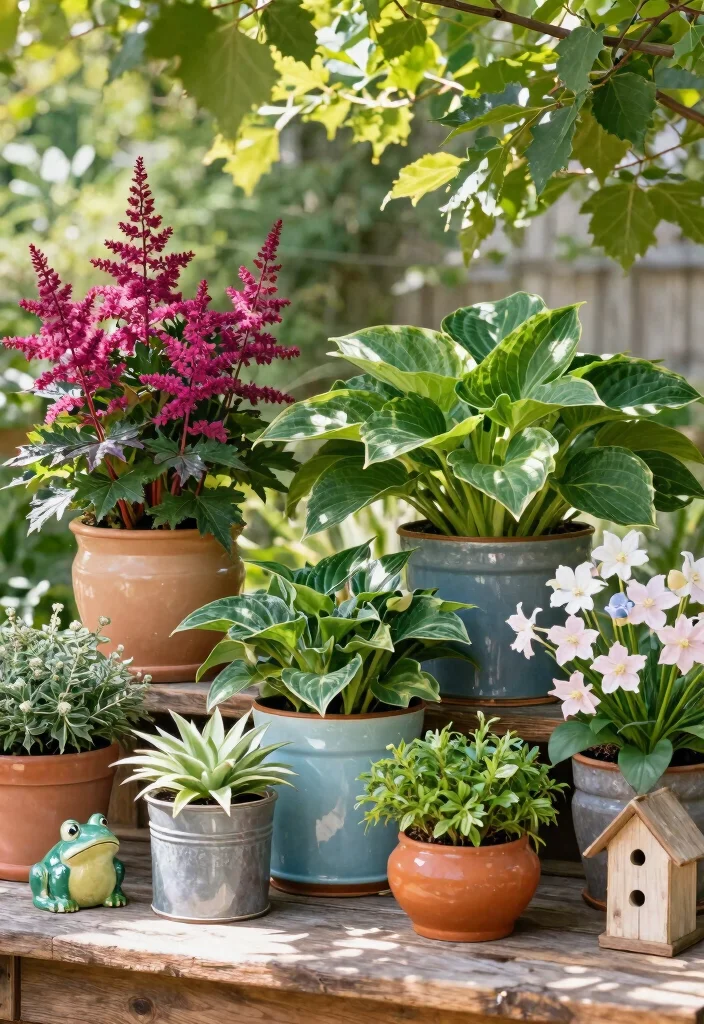
Container gardening is a wonderful way to infuse life into shaded spots, and with a bit of creativity, you can make it stand out. Mixing materials like ceramic pots, galvanized metal containers, or even wooden crates can create a unique landscape. For a modern edge, consider geometric shapes or hanging globes that catch the eye.
Select shade-loving plants such as astilbe, columbine, or hostas to thrive in these areas. An artistic arrangement of varying container sizes will enhance visual appeal and create a vibrant scene.
Here are some practical container gardening tips:
– Ensure all containers have drainage holes to avoid water issues.
– Use quality potting soil for moisture retention and aeration.
– Group containers to create a cohesive mini-garden.
– Rotate plants seasonally for freshness throughout the year.
– Add flowering plants like heucheras for vibrant pops of color.
This method not only beautifies your space but also allows for easy maintenance and seasonal updates.
Container Gardens with a Twist
Editor’s Choice

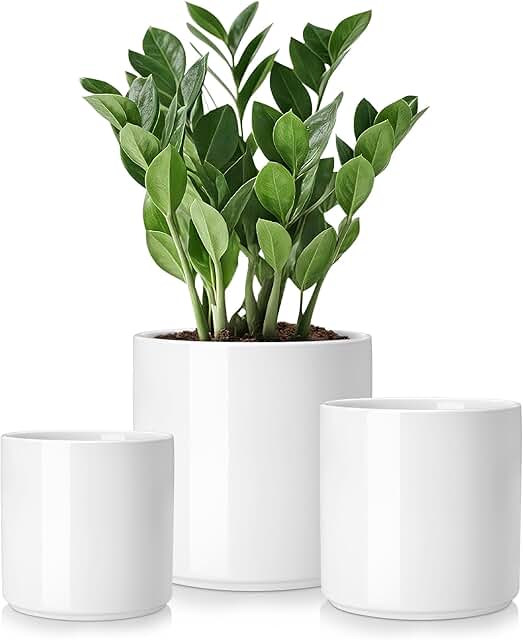


3. Tiered Planters for Depth and Dimension
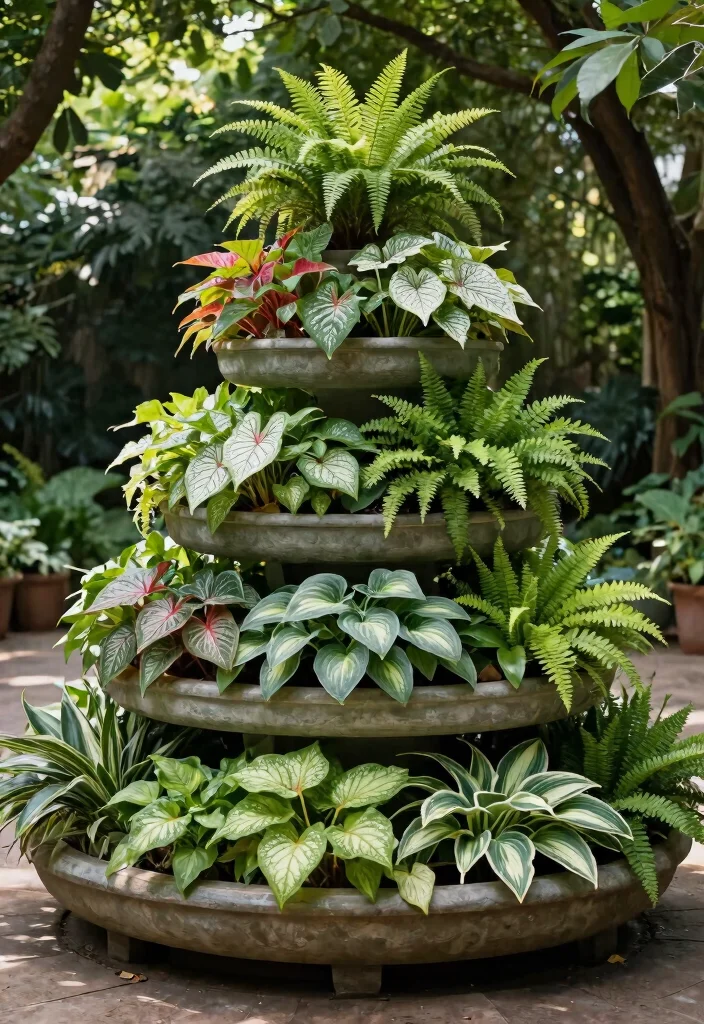
Tiered planters add a captivating, multi-level look to shaded corners, showcasing a variety of shade-loving plants beautifully. They maximize vertical space and allow different plant species to flourish at their preferred light levels. You can build your own tiered planter using wooden crates or choose from available pre-made options.
In the upper tiers, place plants that enjoy slightly more light and reserve the lower levels for those that thrive in full shade. Plants like caladiums and hostas bring vibrant colors and unique shapes to your display.
To effectively set up tiered planters, consider these tips:
– Ensure proper drainage on each level to prevent waterlogging.
– Use diverse textures and colors for a visually striking arrangement.
– Opt for lightweight soil and add slow-release fertilizers.
– Group tiered planters for an eye-catching focal point.
– Mix in flowering plants for colorful accents throughout.
This setup not only enhances visual interest but also ensures a thriving environment for your plants.
Tiered Planters for Depth and Dimension
Editor’s Choice


4. Hanging Baskets for a Touch of Whimsy
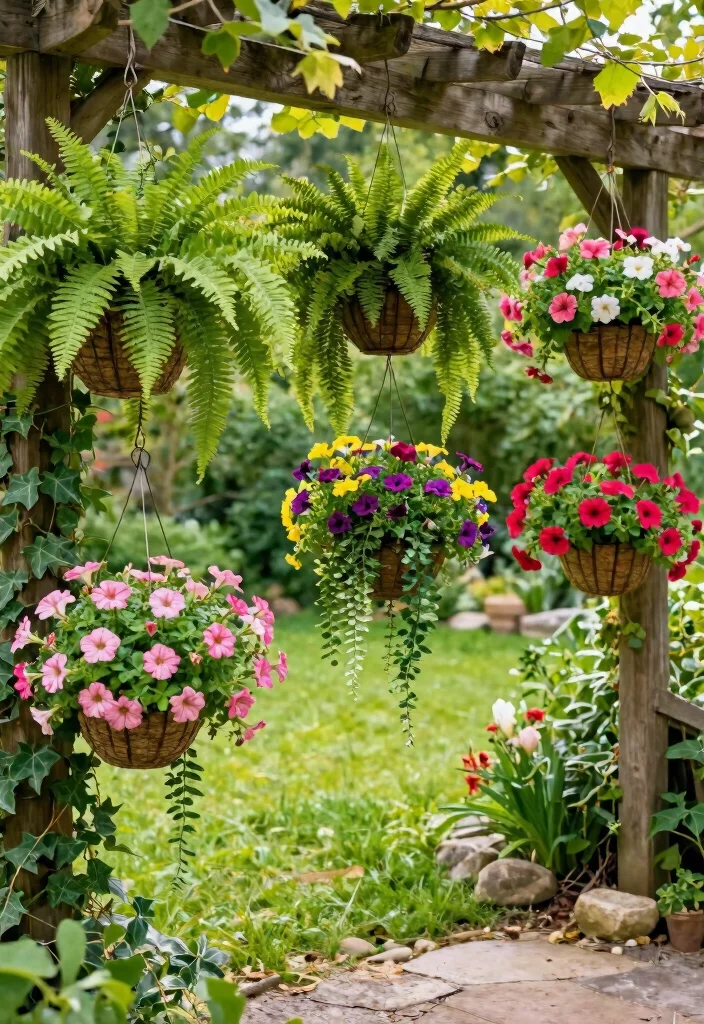
Hanging baskets provide a charming way to introduce greenery to darker spots, capturing attention with their playful designs. You can hang them from trees, hooks, or pergolas to create delightful vertical interest. Select a mix of cascading plants like ferns, ivy, and petunias that thrive in low light and create stunning visual displays.
Consider using woven baskets lined with moss to achieve a natural look. Here are some ideas to maximize your hanging baskets’ impact:
– Ensure baskets are lightweight and use a moisture-retentive potting mix.
– Regularly check moisture levels, as they can dry out quickly.
– Mix trailing plants with upright varieties for a fuller appearance.
– Change basket arrangements seasonally for fresh blooms.
– Hang at varying heights for an eye-catching display.
This method not only adds character but also brings a sense of whimsy to your outdoor space.
5. Creative Use of Reclaimed Materials
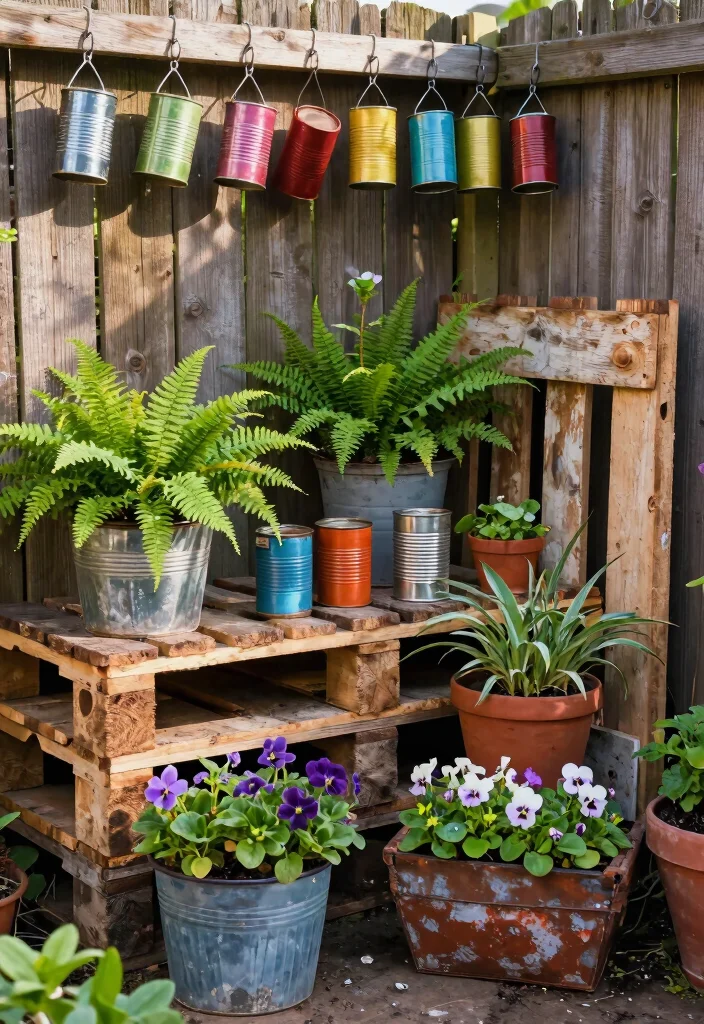
Reclaimed materials can infuse your shaded garden with unique character and charm. Think about upcycling old pallets, wooden crates, or even tin cans into quirky planters that blend beautifully with the laid-back vibe of a shaded area. You can paint them in bright colors or leave them rustic for a timeless look.
When selecting plants, look for those that thrive in partial light, such as ferns, violets, or foxglove. Here are some creative ideas to enhance your garden using reclaimed materials:
– Transform pallets into vertical gardens by attaching them to walls.
– Decorate tin cans with twine or paint for charming hanging planters.
– Craft a rustic bench from old wood, placing plants at either end.
– Group multiple containers for a cohesive and unique look.
– Treat reclaimed wood to prevent rot and pest issues.
This approach adds a personal touch and encourages sustainability while beautifying your garden.
6. Shade-Loving Perennials for Longevity
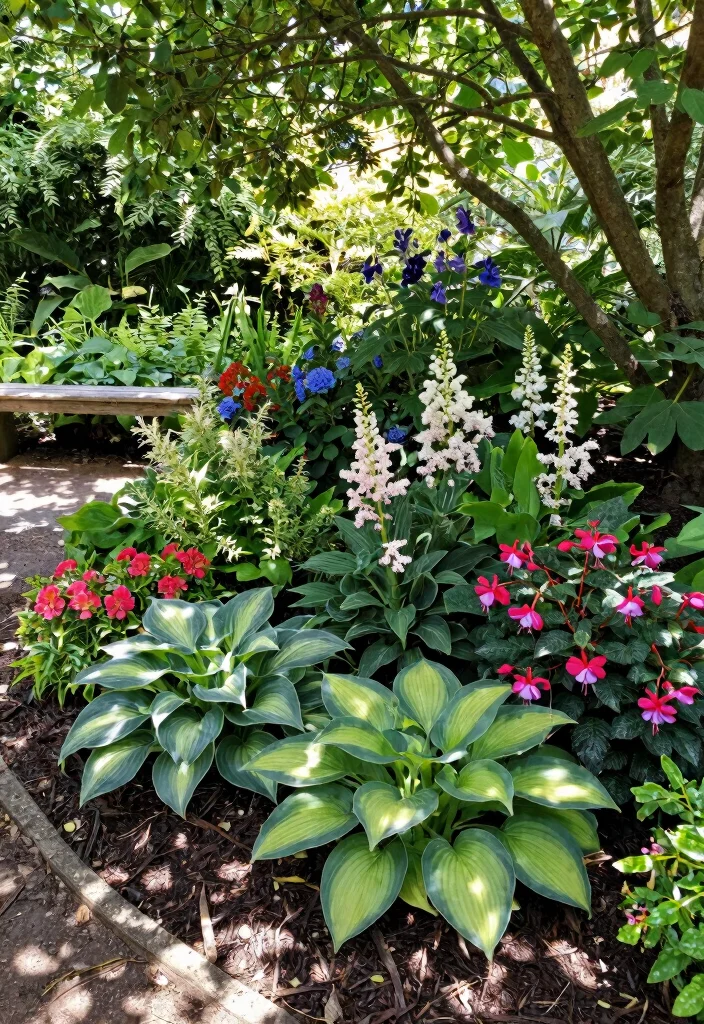
Adding perennial plants to your shaded corners offers beautiful blooms year after year, reducing the need for replanting. Choose shade-loving perennials like hostas, astilbe, or fuchsia that thrive in low light and return season after season. Combining different heights, colors, and textures will create a stunning arrangement.
These versatile plants can be planted directly in the ground or in containers, allowing you to customize your garden. Here are some tips for utilizing perennial plants effectively:
– Select plants that bloom at different times for year-round interest.
– Group perennials for a more impactful display.
– Use mulch around the base to retain moisture and suppress weeds.
– Divide established perennials every few years to promote growth.
– Pair with annuals for seasonal bursts of color.
This strategy not only provides lasting beauty but also ensures easy maintenance and diversity in your garden.
Shade-Loving Perennials for Longevity
Editor’s Choice


Top Varieties for Different Conditions
1. Ferns
– Best conditions: Ideal for humid, temperate areas with plenty of shade.
– Key features: Ferns like the Boston Fern or Maidenhair Fern thrive in low light and can add a lush, green look to any corner. Their fronds create a soft texture, making spaces feel more inviting.
– Considerations: Ferns need consistent moisture, so be sure to check the soil regularly to prevent drying out.
2. Hostas
– Best conditions: Perfect for shaded gardens, particularly in cooler climates.
– Key features: Hostas come in various sizes and colors, making them versatile for different outdoor planter designs. They are hardy perennials that can live for many years, providing a stable green backdrop in shaded areas.
– Considerations: Hostas can attract slugs and snails, so keep an eye out for pests that may damage their leaves.
3. Shade-Loving Herbs
– Best conditions: Great for cooler, moist areas or partially shaded spots.
– Key features: Herbs like mint, chives, and lemon balm can thrive in shade while adding fragrance and flavor to your meals. They also attract beneficial pollinators to your garden.
– Considerations: Some herbs can become invasive, especially mint. Ensure you contain them in planters to prevent them from spreading uncontrollably.
4. Caladiums
– Best conditions: Thrives in humid, warm climates with indirect light.
– Key features: Caladiums are known for their striking leaf patterns and colors, making them a stunning addition to any shaded corner. They add visual interest, especially when planted in creative arrangements.
– Considerations: These plants are sensitive to frost. Bring them indoors or cover them if a cool snap is expected.
5. Begonias
– Best conditions: Ideal for mild climates with partial to full shade.
– Key features: With their colorful foliage and blooms, Begonias can brighten up darker corners. They are also quite hardy and can tolerate varying moisture levels.
– Considerations: Ensure they have good drainage to avoid root rot, as Begonias don’t like to sit in water.
6. Impatiens
– Best conditions: Perfect for cooler areas that receive morning sunlight or full shade.
– Key features: Impatiens produce vibrant blooms throughout the summer, adding a splash of color to any shaded area. They are easy to care for and can create a beautiful seasonal arrangement.
– Considerations: These plants can be susceptible to powdery mildew in high humidity, so ensure good air circulation.
7. Vertical Planters with Shade-Loving Plants
– Best conditions: Great for any shady corners where you wish to maximize space.
– Key features: Using vertical planters allows you to utilize limited space effectively. You can combine various shade-loving plants like ferns, hostas, and even small herbs to create a living wall.
– Considerations: Ensure the planters are sturdy and capable of holding adequate soil and moisture for the plants you select.
Climate/Condition Guide:
– Temperate: Look for hardy perennials like Hostas and Ferns that can handle cooler temperatures.
– Continental: Consider shade-loving herbs and annuals that can tolerate seasonal changes in light.
– Coastal: Choose plants that can handle salty air and humidity, like Caladiums and Impatiens.
– Hot/Dry: Use drought-tolerant shade plants and ensure good watering practices.
– Humid: Emphasize moisture-loving plants like Ferns and Begonias that thrive in these conditions.
Growing Tips:
1. Check soil moisture regularly, especially in shaded areas where it can be easy to overlook.
2. Mix your plants to create a layered look, combining heights and textures for visual interest.
3. Use high-quality potting soil in containers to ensure optimum growth.
Avoid:
1. Do not overcrowd your planters; plants need room to grow and breathe.
2. Avoid using plants that are not suited for shade, as they will struggle and may not survive.
7. Incorporating Water Features
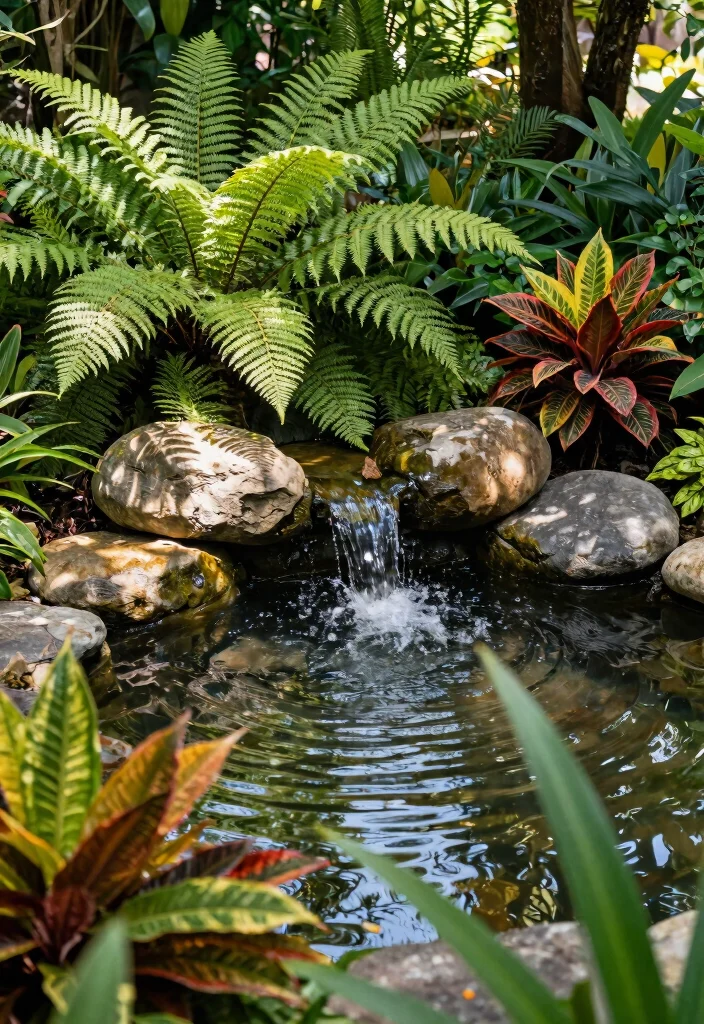
Introducing a water feature into your shaded garden can transform it into a serene oasis. Consider small fountains, birdbaths, or a pond that can thrive in low-light conditions. Surround these features with shade-loving plants like ferns, calatheas, or water lilies, enhancing the tranquility of your space.
Water features not only beautify your garden but also attract wildlife, bringing life and movement to your outdoor retreat. Here are some tips for integrating water features:
– Choose plants suited for wet environments if incorporating a pond.
– Surround fountains with lush greenery to create a soft, natural look.
– Maintain the water feature regularly to keep it clean.
– Use solar-powered pumps for an eco-friendly installation.
– Add decorative stones or pebbles around the base for visual appeal.
This addition not only elevates your garden’s aesthetic but also creates a peaceful environment to enjoy.
8. Unique Outdoor Planter Designs
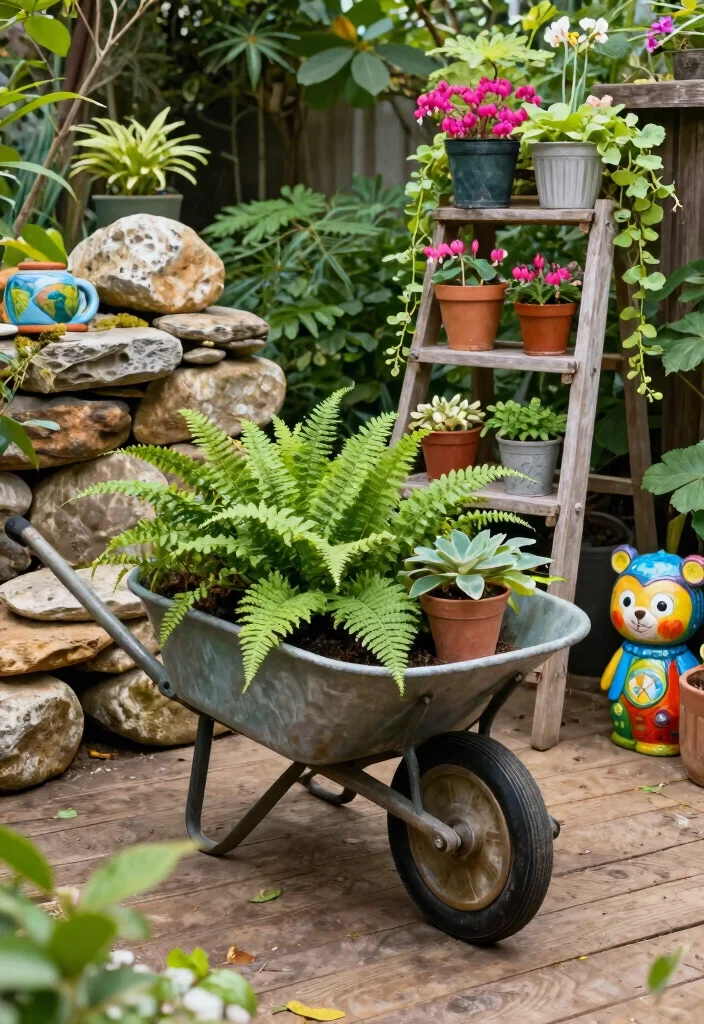
Get imaginative with outdoor planter designs to bring a personal touch to your shade garden. Move beyond the standard pot and explore different shapes and materials. You might consider using a vintage wheelbarrow, a wooden ladder for a plant stand, or stacked stones for a natural look.
Fill these unique designs with shade-loving plants like bleeding hearts, hostas, and ferns to enliven your outdoor space. Here are some tips for creating distinctive planter designs:
– Repurpose unexpected items as planters, like old shoes or kitchen pots.
– Create tiered arrangements with shelves or ladders to maximize space.
– Use bright colors or patterns for a fun, whimsical vibe.
– Ensure proper drainage to maintain plant health in unconventional containers.
– Mix and match designs for an eclectic, playful atmosphere.
This creativity not only adds charm but also showcases your personal style in your garden.
Repurpose everyday finds into outdoor shade planter ideas that wow. A vintage wheelbarrow or wooden ladder turns dull corners into living art, filled with hostas, ferns, and bleeding hearts. Practical, stylish, and surprisingly easy to DIY.
9. Seasonal Arrangements for Year-Round Interest
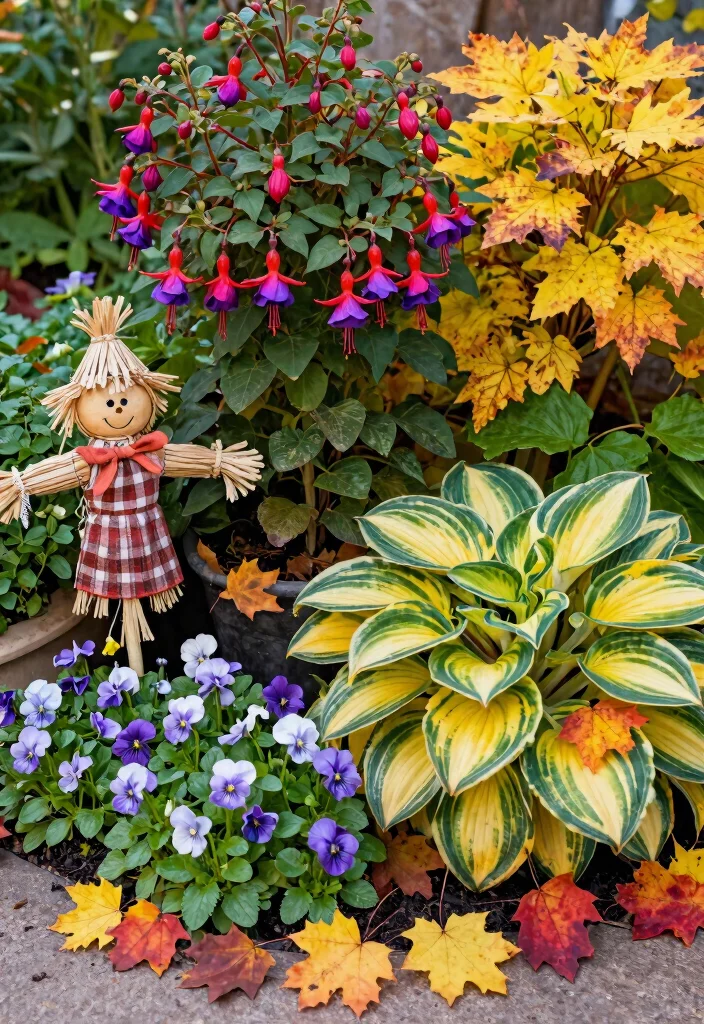
Crafting seasonal arrangements in your shade garden can provide visual delight throughout the year. Choose a combination of plants that bloom at different times to keep your garden lively and colorful. Incorporate spring blooms like violets and primroses, summer favorites like fuchsias, and fall foliage from astilbe or hostas.
This strategy keeps your garden dynamic and engaging all year long. Here are some suggestions for maintaining seasonal interest:
– Plan plantings around seasonal color schemes.
– Rotate plants each season for a fresh appearance.
– Use evergreen plants as a backdrop for year-round greenery.
– Add seasonal decorations for extra flair.
– Document your garden’s evolution through the seasons for enjoyable reflections.
This approach not only keeps your space vibrant but also allows for ongoing enjoyment and engagement with your garden.
Fact: A shade garden can bloom year-round with just three bloom cycles—spring violets and primroses, summer fuchsias, and autumn hostas or astilbe. With outdoor shade planter ideas, you can achieve 12 months of color, even in darker corners.
Seasonal Arrangements for Year-Round Interest
Editor’s Choice


Conclusion
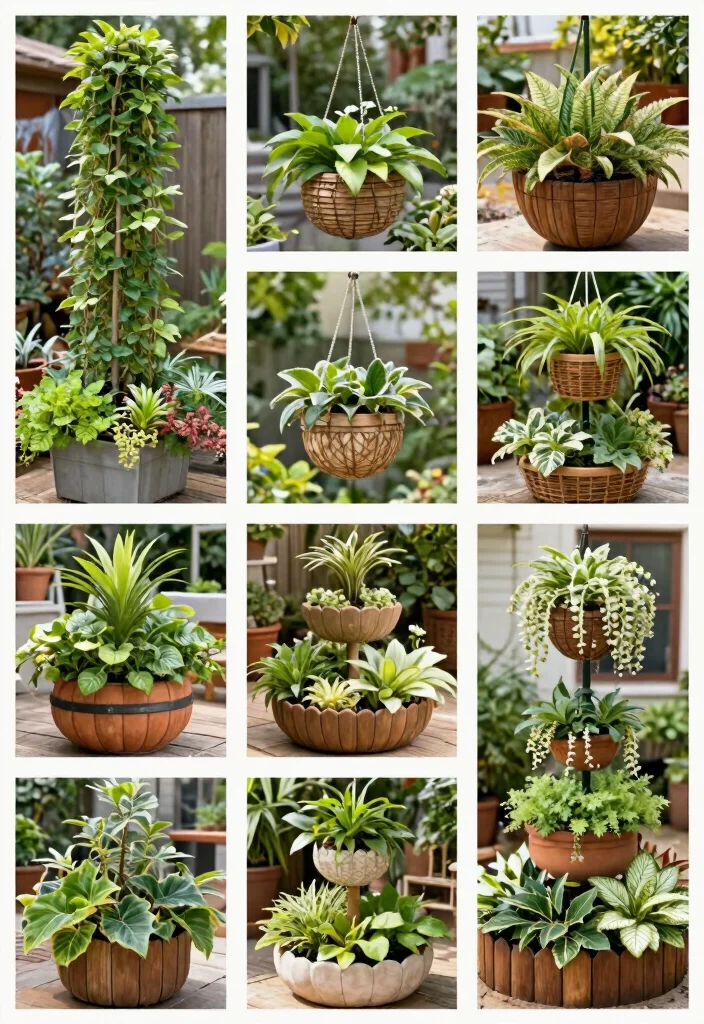
Transforming dark corners into lush green spaces is not only possible but also incredibly rewarding.
With these outdoor shade planter ideas, you can create beautiful and unique displays that thrive in low-light conditions. Embrace your creativity and try out different plants and designs to make your shade garden truly yours.
Note: We aim to provide accurate product links, but some may occasionally expire or become unavailable. If this happens, please search directly on Amazon for the product or a suitable alternative.
This post contains Amazon affiliate links, meaning we may earn a small commission if you purchase through our links, at no extra cost to you.
Frequently Asked Questions
What are the best outdoor shade planter ideas for dark corners?
For darker corners, lean into vertical and tiered outdoor planter designs to maximize space and keep plants thriving.
Use tall containers, wall-mounted pockets, or a small trellis with hanging pots to create a garden corner solution.
Choose shade-loving plants like ferns, hostas, pothos, caladiums, and ivy, and mix textures for visual interest.
Light-reflecting pots and pale-colored containers help bounce any available light.
Pair with a well-draining potting mix and regular moisture care—consider self-watering planters or a drip system for busy days.
These ideas are all practical outdoor shade planter ideas for low-light spaces.
Which shade-loving plants thrive in low-light container setups, and how do I care for them?
Great choices include shade-loving plants such as Pothos, Snake Plant (Sansevieria), Boston Fern, Caladium, Hostas, Chinese Evergreen, and Lilyturf.
In containers, provide a well-draining mix and water when the top inch dries (don’t let roots stay soggy).
Use containers with drainage holes and place in the brightest spot available in your shade.
Feed lightly with a balanced fertilizer during the growing season, and keep humidity up if possible.
Group plants with similar light needs to simplify container gardening tips and low-light gardening ideas.
How can I maximize space and create impactful outdoor planter designs in a shaded garden corner?
Think vertical, modular, and reflective. Use wall planters, stair-step shelves, or pallet-style frames to stack containers and create a dramatic garden corner solution.
Install a corner trellis for hanging baskets to add height, and choose plants with varied leaf colors and textures to keep the space lively in low light.
Pick light or reflective pots to brighten the area, and prioritize drainage and moisture control with outdoor planter designs that are easy to maintain.
What container gardening tips are essential for low-light gardening ideas in shade?
Start with a plan that matches your light level: for deep shade, select truly low-light tolerant plants and avoid sun-loving varieties.
Use large containers to stabilize moisture, with a high-quality potting mix that retains water but drains well.
Add slow-release fertilizer and a top dressing of compost, and water consistently while avoiding soggy soil.
Group plants with identical light needs and rotate them within the space so every plant gets a chance at the best light available.
These steps cover practical container gardening tips and low-light gardening ideas.
What budget-friendly and low-maintenance outdoor shade planter ideas work well for busy gardeners?
Go for durable, self-watering planters and hardy shade plants like Cast Iron Plant, Pothos, or Snake Plant varieties that tolerate neglect.
Reuse existing pots or inexpensive railing/ hanging planters to maximize space with minimal effort.
Choose monochrome color schemes and simple plant combinations to hide dirt and reduce maintenance.
Use mulch or coco coir to help soil moisture and reduce watering, and rely on slow-release fertilizers to cut down on feedings.
These outdoor shade planter ideas fit a busy schedule and low-light gardening ideas alike.


![13 Functional Garden Potting Shed Ideas [Plant Lovers Only]](https://delushome.com/wp-content/uploads/2026/04/13-Functional-Garden-Potting-Shed-Ideas-Plant-Lovers-Only-150x150.webp)


