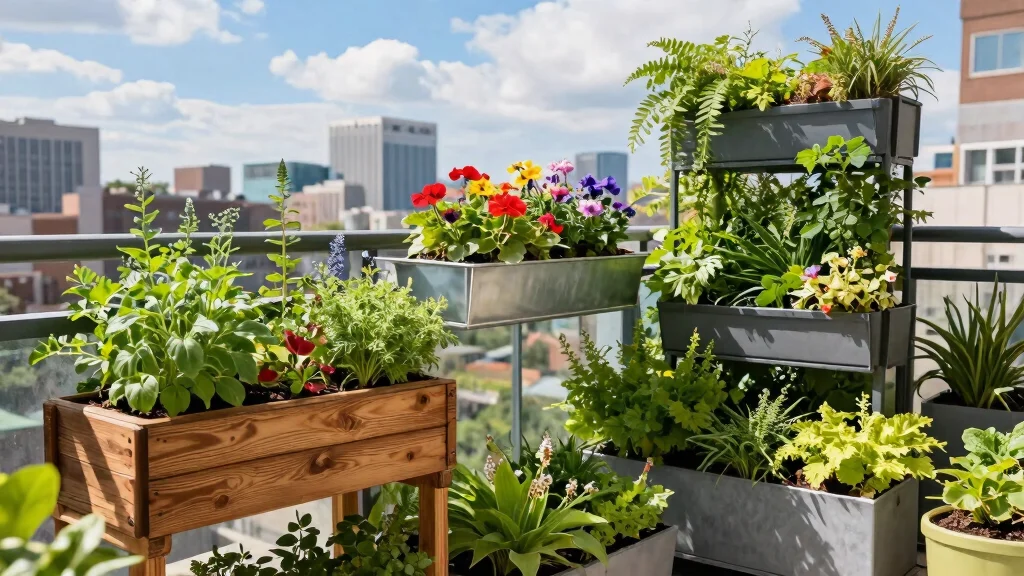
Gardening has a way of bringing joy and satisfaction, especially when you can transform your outdoor space into a green haven. As summer rolls around, many of us find ourselves craving the beauty and productivity of lush plants and vibrant flowers. If you’re looking to elevate your gardening game, particularly in small urban spaces, you’ve come to the right place. This blog post is packed with creative and sustainable DIY planter box ideas that will not only enhance your outdoor style but also serve as functional additions to your garden.
Whether you’re a seasoned gardener or just starting out, this guide is designed for you. If you’re someone who loves gardening but struggles to find the right planter solutions for limited space, these ideas will resonate with you. I’ve gathered 13 durable planter box ideas that are stylish, weather-resistant, and perfect for adding a personal touch to your outdoor area. From reclaimed wood to vibrant painted options, there’s something here to inspire everyone looking to bring a bit of nature closer to home.
In this post, you’ll discover a mix of DIY projects that cater to different aesthetics and gardening needs. You’ll find tips on how to build your own planters, select the best materials, and choose designs that suit your outdoor environment. Get ready to dive into a world of outdoor planter designs that can transform your garden into a beautiful and sustainable retreat!
Key Takeaways
– Explore various materials: Consider using reclaimed wood, metal, concrete, or even upcycled containers to create unique and durable planter boxes. Each material offers a different aesthetic and can withstand outdoor elements.
– Maximize small spaces: Vertical garden planters are a fantastic way to utilize limited space while adding visual interest. They allow you to grow more plants in a smaller footprint, perfect for urban gardening.
– Incorporate design elements: Adding trellises or decorative features to your planter boxes can enhance your garden’s overall style. This not only provides support for climbing plants but also adds character to your outdoor space.
– Choose weather-resistant options: Look for planter designs that can endure various weather conditions. Materials like metal and plastic composite are particularly effective in resisting moisture and UV damage.
– Get creative and personal: Don’t shy away from painting or customizing your planter boxes. Bright colors or unique designs can reflect your personality and make your garden truly one-of-a-kind.
1. Reclaimed Wood Planter Box
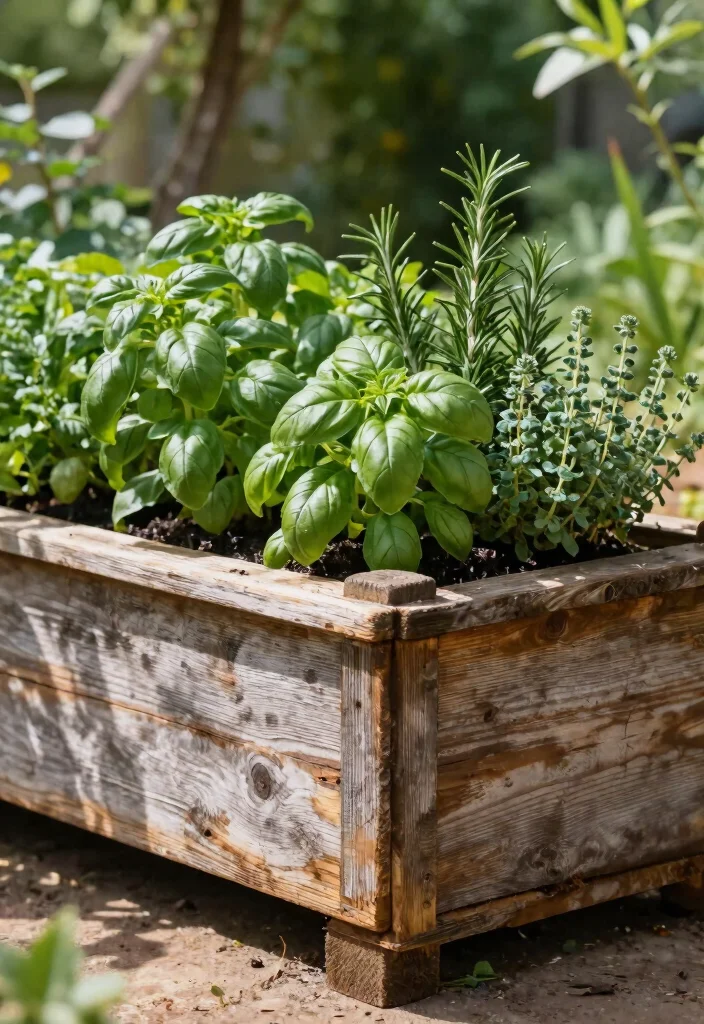
Reclaimed wood brings a unique charm and eco-friendliness to your planter boxes. You’ll love how these boxes add a rustic touch to your garden while promoting sustainability. Each piece of wood tells a story, making every planter a conversation starter. You can create different sizes to accommodate everything from tiny herbs to vibrant seasonal blooms.
To craft your reclaimed wood planter, start by selecting high-quality wood that hasn’t been treated. Seal the wood with a natural sealant to fend off rot and moisture. Don’t forget to add drainage holes to prevent waterlogging, and personalize them with a stain that complements your outdoor style.
Simple steps to create your reclaimed wood planter:
– Select non-treated wood for durability
– Apply a protective wood sealant
– Drill drainage holes for healthy soil
– Customize with stains or leave raw for a natural look
These planters not only serve practical purposes but also add warmth and character to your outdoor space.
Did you know reclaimed wood planter boxes cut new timber demand by up to 60%? Embrace planter box ideas outdoor: reuse existing lumber, build unique sizes, and add a rustic, conversation-starting touch to your urban garden.
2. Vertical Garden Planters
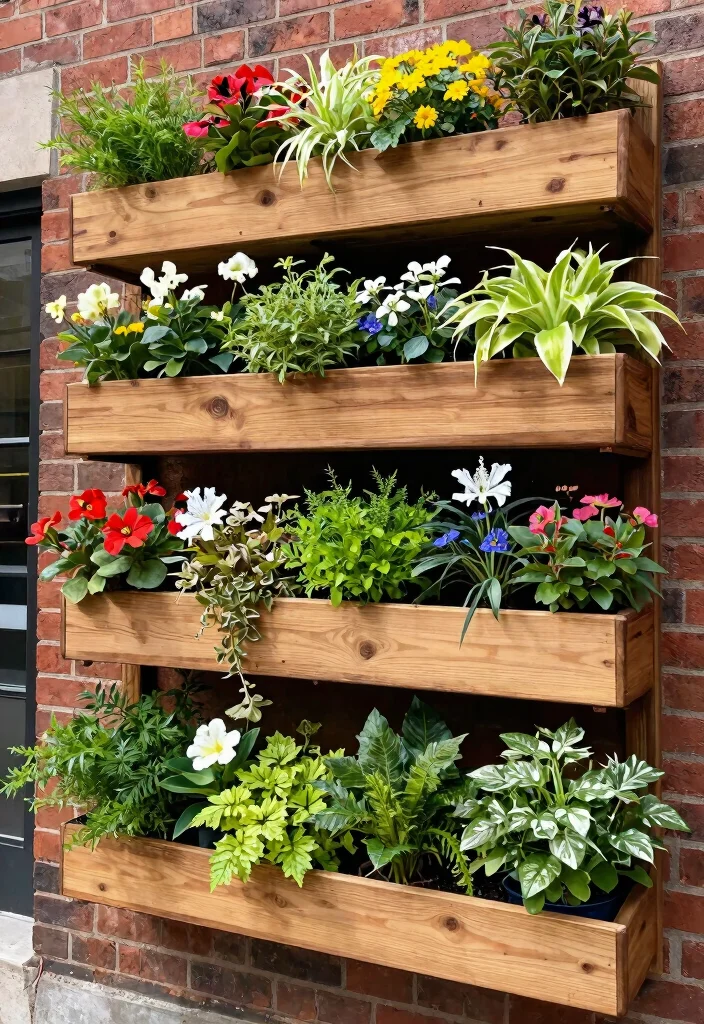
Transform limited spaces into lush green havens with vertical garden planters! These innovative planters are perfect for urban environments, allowing you to grow a variety of plants while saving precious ground space. They also create stunning visual displays that elevate your outdoor aesthetics.
Consider using wall-mounted options made from wood or metal for a striking effect. You can also stack tiered planters for a multi-level garden or repurpose old pallets into vertical treasures by filling gaps with soil and plants.
Explore these vertical planter ideas:
– Install wall-mounted planters for vibrant herb displays
– Stack tiered boxes to maximize vertical space
– Repurpose pallets for a unique gardening solution
Vertical planters not only save space but also infuse life and color into dull walls, turning them into vibrant canvases.
3. Metal Trough Planters
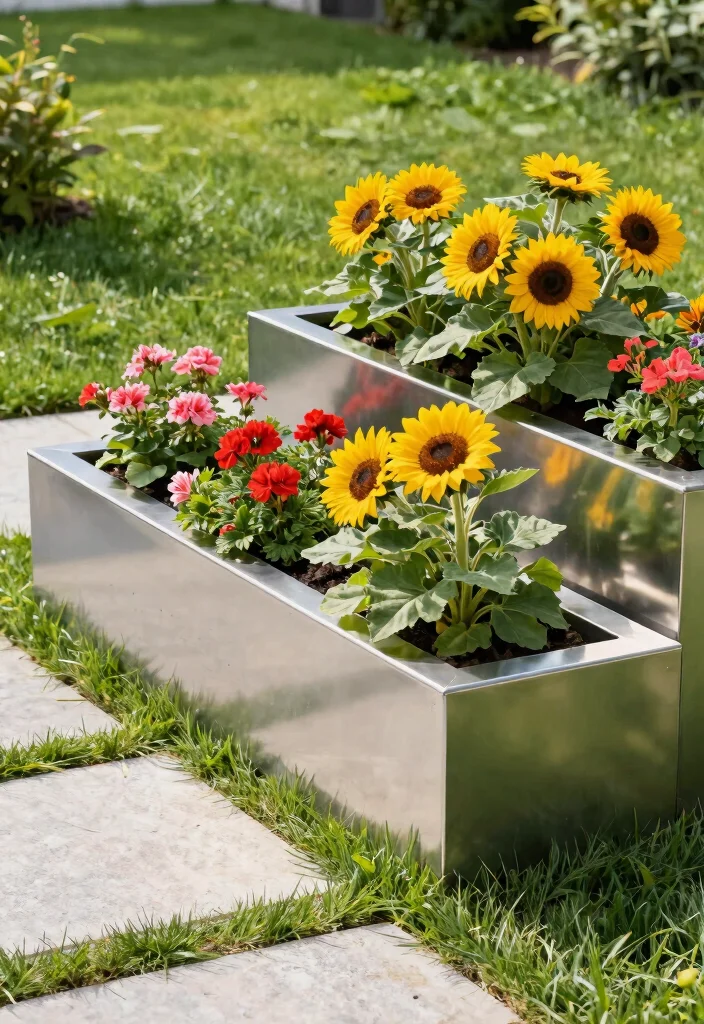
For a sleek, contemporary look, metal trough planters are a fantastic choice. These planters are stylish, durable, and capable of withstanding the elements, making them ideal for long-term use. Available in finishes like galvanized steel and copper, they can easily match your personal style.
Metal troughs offer numerous advantages, including resistance to rot and pests, ensuring your plants remain safe. They also retain heat well, which benefits heat-loving plants. Many designs feature clean lines that suit modern or industrial decors perfectly.
Reasons to choose metal trough planters:
– Enjoy long-lasting durability against rot and pests
– Benefit from excellent heat retention for plants
– Select from stylish designs that enhance your space
These versatile planters can accommodate everything from colorful blooms to hearty vegetables, making them a valuable addition to any garden.
❝ Metal trough planters can outlast wooden boxes by up to 2–3 times, resisting rot and pests while keeping heat-loving plants happy. Finish options like galvanized steel or copper pair with urban spaces for a sleek, durable outdoor garden—ideal for planter box ideas outdoor.
Metal Trough Planters
Editor’s Choice




Key Trade-offs & Our Top Pick
1. Reclaimed Wood Planter Box
– Pros:
– Eco-friendly and sustainable, making it a great choice for green-minded gardeners.
– Adds rustic charm and character to your outdoor space.
– Cons:
– Can be prone to rot if not treated properly.
– Requires maintenance to keep it looking good over time.
– Best for: Gardeners looking to add a unique, warm touch to their outdoor areas while being sustainable.
2. Metal Trough Planters
– Pros:
– Extremely durable and weather-resistant, ensuring longevity.
– Offers a modern look that works well in various styles of gardens.
– Cons:
– Can heat up quickly in direct sunlight, potentially harming plants.
– May require a liner to prevent soil from leaching out.
– Best for: Urban gardeners wanting a sleek, contemporary aesthetic with low maintenance.
3. Concrete Planters
– Pros:
– Highly durable and able to withstand harsh weather conditions.
– Provides a sturdy base for larger plants or small trees.
– Cons:
– Heavy and can be difficult to move once placed.
– Prone to cracking in extreme temperatures if not properly sealed.
– Best for: Permanent installations where stability and heavy-duty performance are essential.
4. Vertical Garden Planters
– Pros:
– Ideal for small spaces, as they maximize vertical growth.
– Can create stunning green walls that enhance outdoor aesthetics.
– Cons:
– Requires regular watering and maintenance to keep plants healthy.
– Initial setup can be complicated and may require additional materials.
– Best for: Apartment dwellers or anyone with limited ground space wanting to grow a variety of plants.
5. Upcycled Containers
– Pros:
– Cost-effective and environmentally friendly, turning trash into treasure.
– Allows for creative expression with unique designs.
– Cons:
– May not be as sturdy or long-lasting as traditional planter materials.
– Some containers may require modifications for proper drainage.
– Best for: Creative gardeners on a budget who enjoy DIY projects and personalized garden decor.
Expert Recommendation:
Best Overall: Reclaimed Wood Planter Box
This option stands out due to its eco-friendliness and unique aesthetic. It offers good value for money, especially for gardeners who appreciate sustainability. While it needs some maintenance, the charm and warmth it brings to outdoor spaces make it a versatile choice. With proper care, reclaimed wood planters can last for years, making them a solid investment for your garden.
Why We Picked This:
The reclaimed wood planter box appeals to those who value sustainability and design. If you prefer a more modern look or need something ultra-durable, metal trough planters or concrete options may suit you better. For small spaces, vertical garden planters are an excellent choice. Ultimately, consider your gardening style, available space, and how much maintenance you’re willing to commit to when making your decision!
4. Concrete Planters
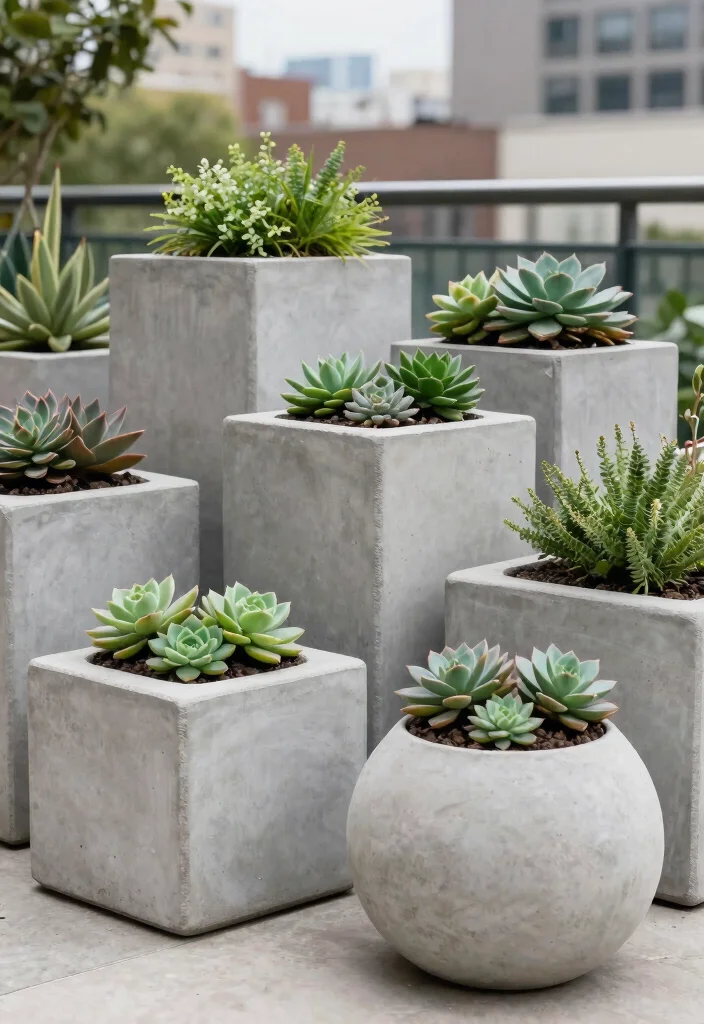
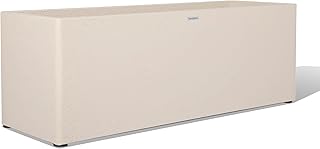
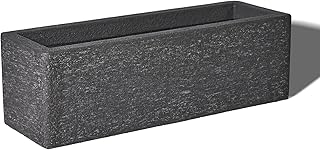
For an eye-catching, industrial vibe, concrete planters are a bold option. Their robust construction not only ensures durability but also offers a sophisticated aesthetic for your outdoor spaces. The versatility of concrete allows for various shapes and sizes, making it easy to customize your garden design.
When using concrete planters, make sure to drill drainage holes to avoid water buildup. Consider lining the interior to protect against moisture and extend the planter’s lifespan. You can also paint or stain your planters to match your overall décor.
Tips for effective use of concrete planters:
– Drill drainage holes to prevent water accumulation
– Line the inside to protect the concrete
– Experiment with colors to align with your style
The combination of raw concrete and lush greenery creates a striking contrast that enhances any garden’s appeal.
Concrete Planters
Editor’s Choice


5. Hanging Basket Planters
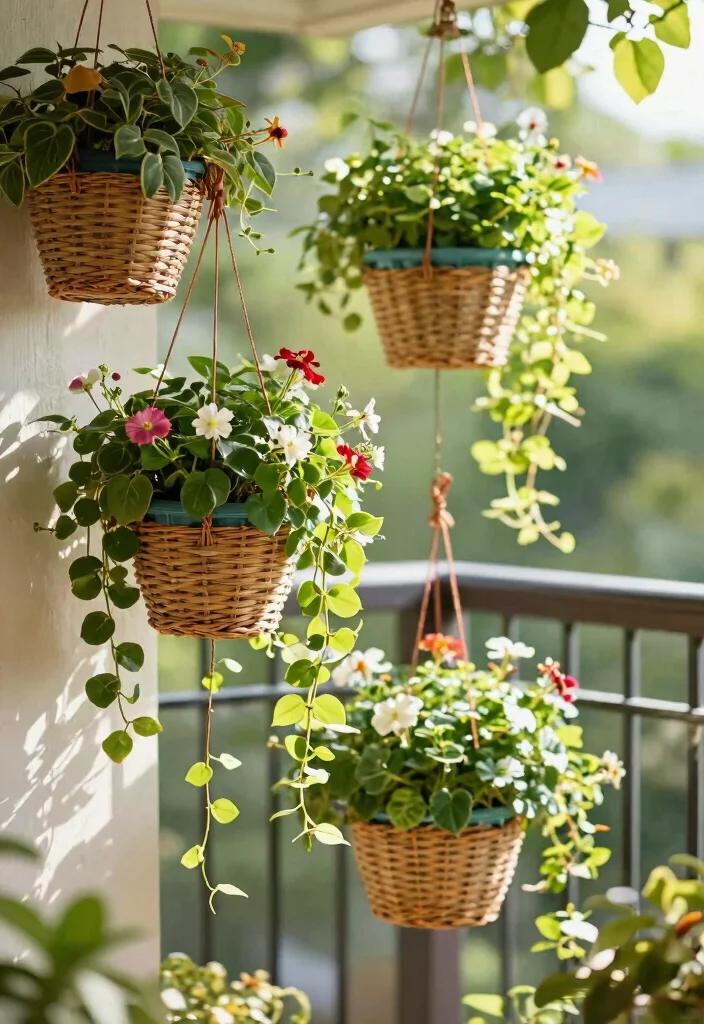
Hanging basket planters add delightful vertical interest to your garden. Perfect for balconies or patios where ground space is scarce, these planters can be suspended from ceilings, pergolas, or hooks for maximum effect. They allow you to showcase trailing plants and vibrant blooms beautifully.
When selecting hanging planters, opt for lightweight materials like wicker or plastic for easy installation. Choose trailing plants such as ivy or colorful blooms that cascade over the edges. Mixing different sizes and styles of baskets can create a dynamic and engaging look.
Key considerations for hanging planters:
– Opt for lightweight materials for easy handling
– Choose trailing plants for stunning drape
– Mix various sizes for an eye-catching display
Hanging baskets not only elevate your garden’s visual appeal but also create an inviting atmosphere brimming with life.
6. Upcycled Containers
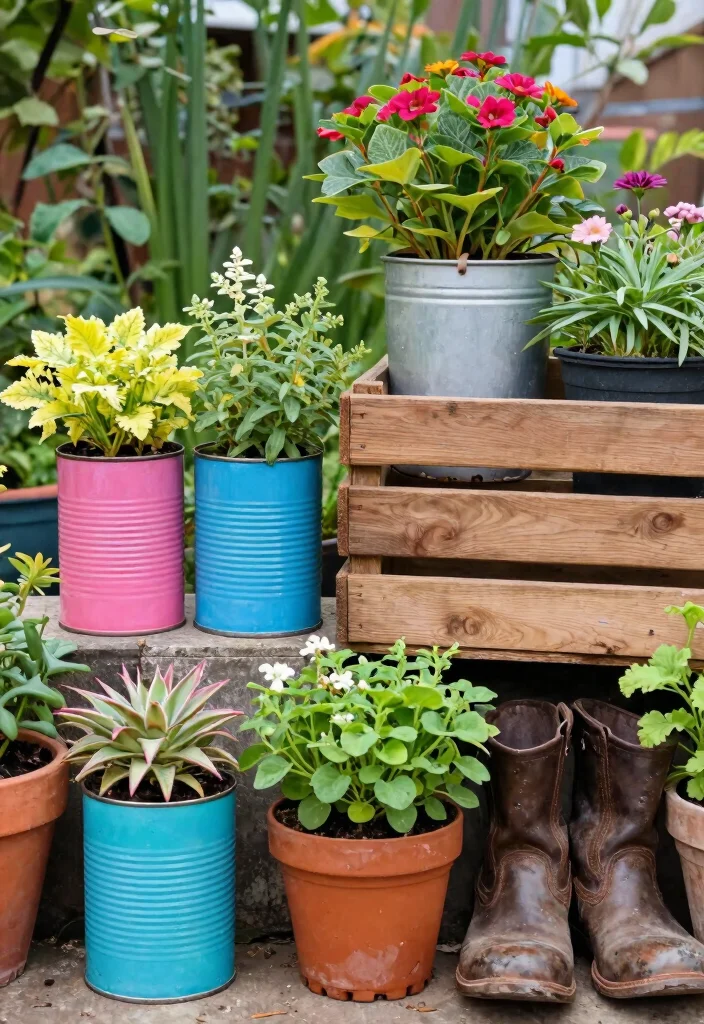
Unleash your creativity with upcycled containers for unique planters! Using old buckets, tin cans, or even worn-out boots can add character while reducing waste. Each piece can tell a special story, making your garden truly one-of-a-kind.
Consider painting tin cans in bright colors for a playful herb garden. Old boots can be filled with soil and planted with moss or small flowers for a whimsical touch. Wooden crates can be transformed into stylish planters, great for larger plants.
Exciting ideas for upcycled planters:
– Paint tin cans for a cheerful herb garden
– Fill old boots with soil for a whimsical display
– Repurpose wooden crates into stylish planter boxes
Upcycled containers not only showcase your personality but also promote an eco-friendly approach to gardening.
7. Terracotta Planters
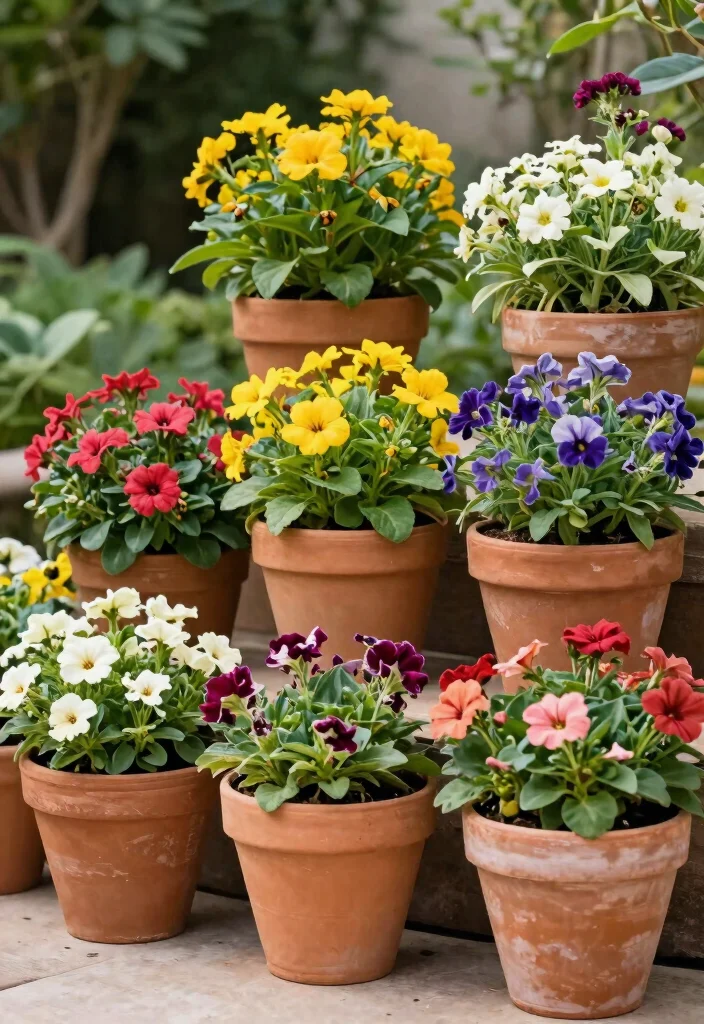
Terracotta pots are a timeless classic for any garden. Made from natural clay, they provide an elegant look while ensuring excellent drainage for your plants. These pots are versatile enough for everything from succulents to fragrant herbs.
To care for terracotta planters, bring them indoors during colder months or insulate them to prevent cracking. They work best with drought-resistant plants due to their moisture-wicking properties. Experiment with different sizes and shapes to create an attractive arrangement.
Tips for maintaining terracotta planters:
– Insulate or store indoors in winter
– Choose drought-resistant plants for optimal growth
– Use varied sizes for a visually appealing display
Terracotta pots infuse warmth and organic elegance into your garden setup, enhancing your outdoor experience.
8. Box Planters with Trellises
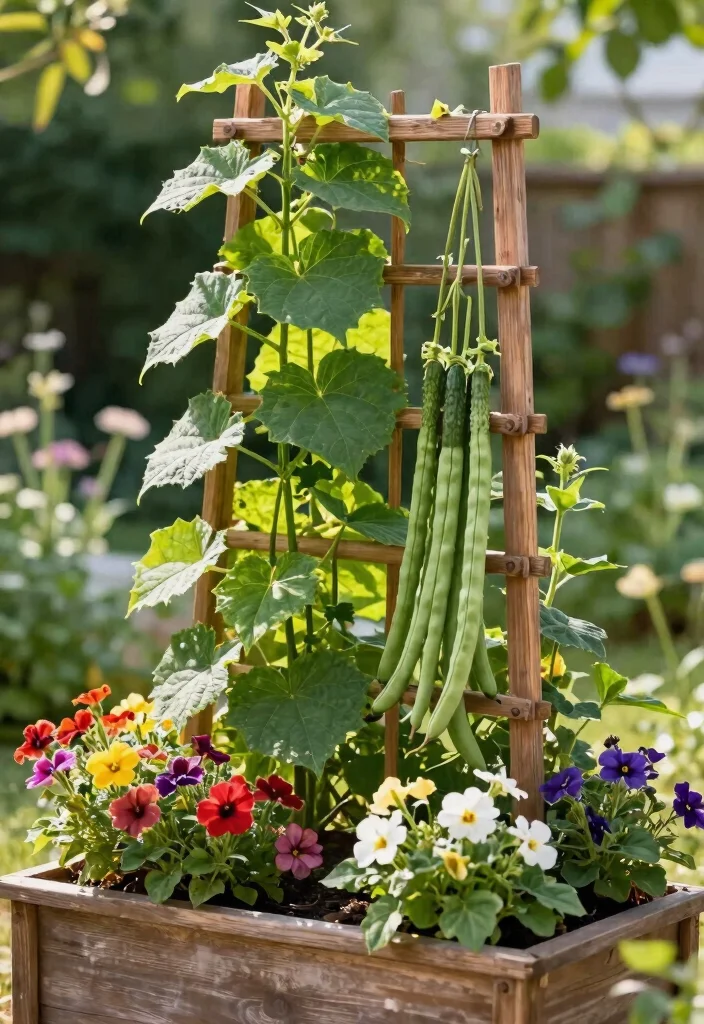
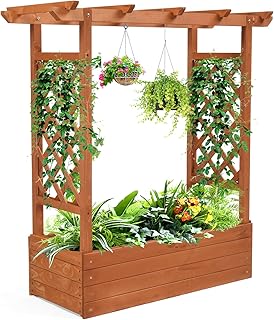
Enhance your garden’s height and support with box planters that feature trellises. Perfect for climbing plants like tomatoes or beans, these planters provide essential support while maximizing your space. They create stunning visual effects that are both functional and beautiful.
Utilizing trellis planters can save space in small gardens and improve airflow around your plants, helping to reduce disease risk. They also add an architectural element that enhances the overall aesthetic of your garden.
Benefits of using trellis planters:
– Maximize vertical space in limited areas
– Improve airflow to reduce plant diseases
– Add an attractive architectural feature to your garden
Creating a box planter with a trellis not only serves a practical purpose but also elevates your outdoor décor.
Box Planters with Trellises
Editor’s Choice



9. Plastic Composite Planters
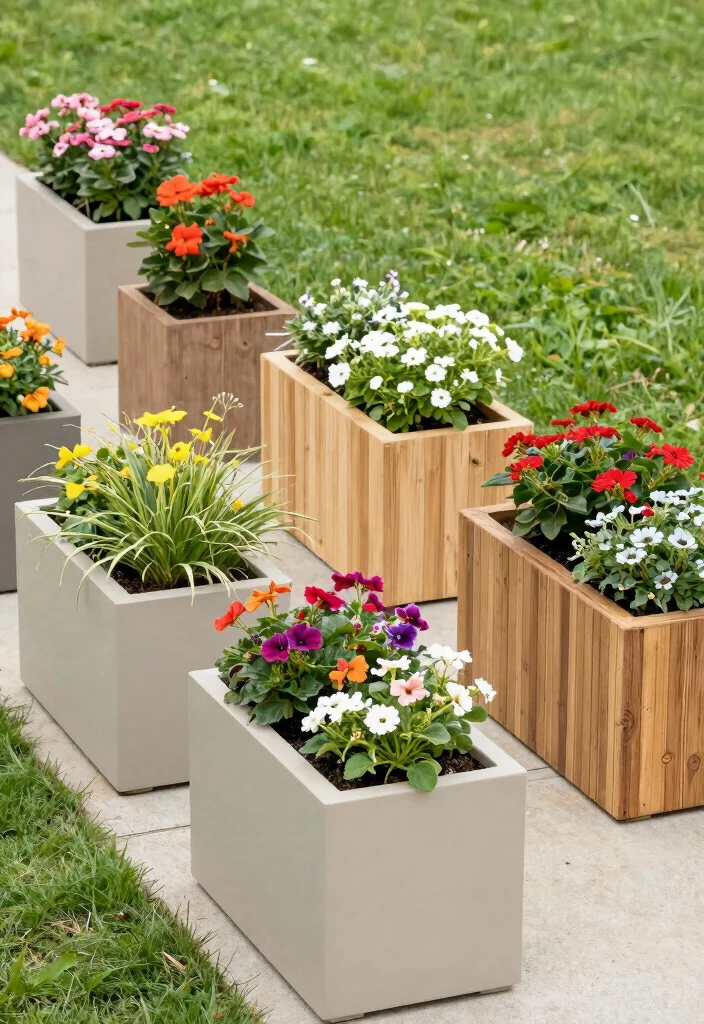
Plastic composite planters provide a durable and lightweight gardening solution. Made from recycled materials, they mimic the appearance of wood or stone while being weather-resistant, perfect for any climate.
These planters require minimal maintenance, as they don’t need sealing or staining like wooden options. Their eco-friendly nature contributes to waste reduction, and they come in a variety of styles to fit your garden’s aesthetic.
Advantages of plastic composite planters:
– Enjoy low maintenance without sealing needs
– Embrace eco-friendliness with recycled materials
– Choose from diverse colors and textures for your style
They are an excellent choice for anyone seeking a sustainable yet stylish addition to their garden.
10. Rustic Straw Bales
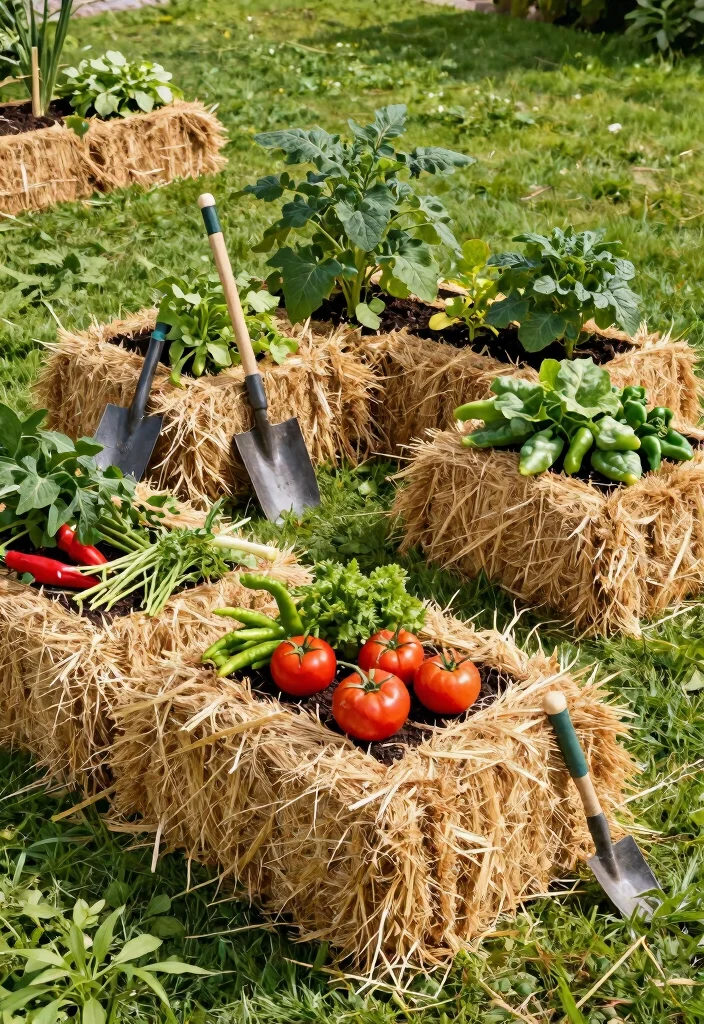
For a unique and sustainable gardening option, consider using straw bales as planters. This unconventional choice is especially effective for growing vegetables, as straw bales retain moisture and foster healthy plant growth with minimal effort.
To use straw bales effectively, condition them by watering and letting them sit for a week to encourage decomposition. Choose quick-growing crops like tomatoes, peppers, or flowers, and keep the bales moist while adding compost for nutrients.
How to make the most of straw bales:
– Prepare bales by watering and letting them decompose
– Plant quick-growing vegetables or flowers
– Maintain moisture and add compost for nutrients
Straw bales not only provide an eco-friendly solution but also bring a fun, textured look to your garden.
11. Colorful Painted Planters
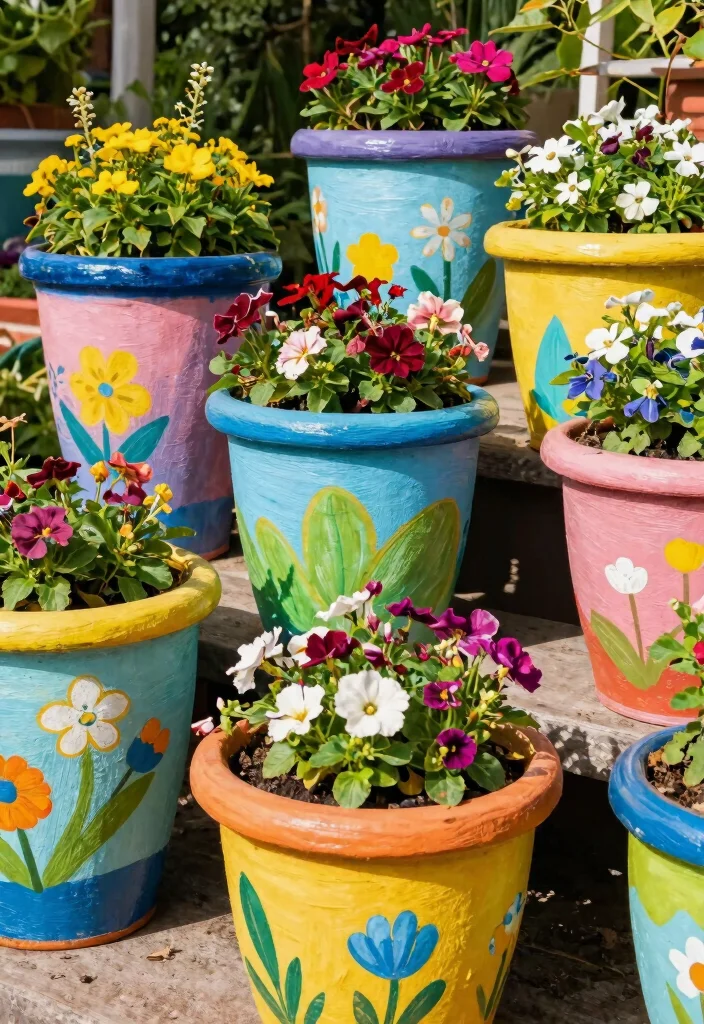
Brighten your garden with colorful painted planters! Using vibrant hues can instantly enhance your outdoor space and reflect your personality. These planters can be crafted from materials like terracotta or wood and customized to match your style.
When creating your painted planters, ensure you use weatherproof paint to withstand outdoor conditions. Get creative with fun patterns like stripes, polka dots, or floral designs, and finish with a clear sealant to protect your artwork.
Steps for creating your vibrant planters:
– Choose weatherproof paint for durability
– Have fun with playful patterns and designs
– Seal with clear varnish for protection
Colorful painted planters can serve as focal points in your garden, transforming each planting into a statement piece.
12. Raised Garden Beds
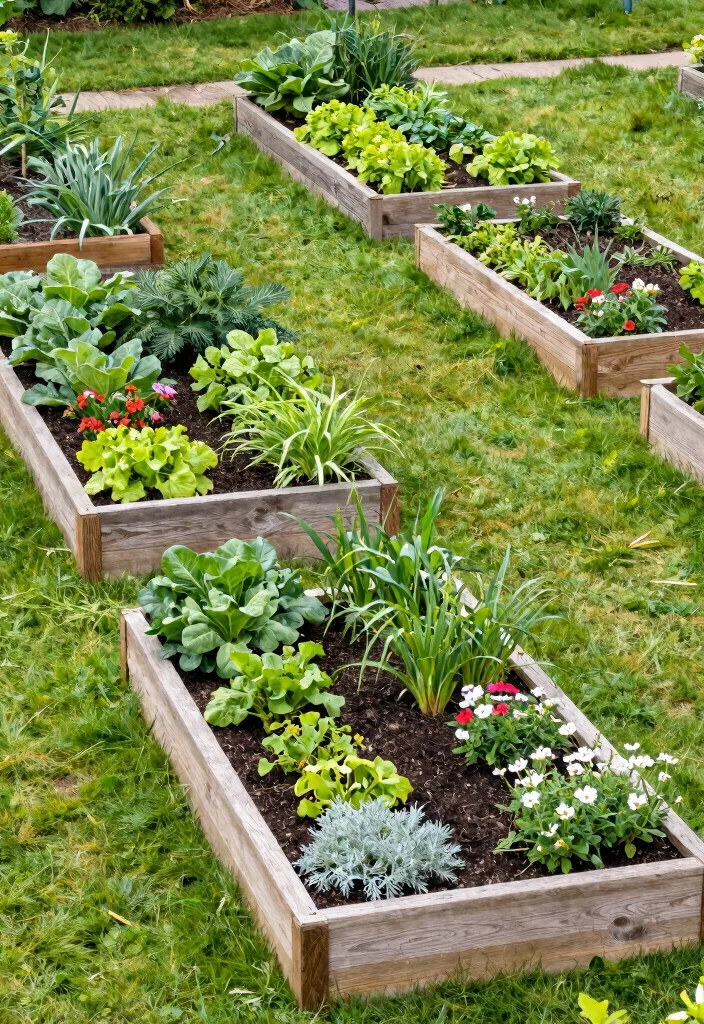
Organize your garden with raised garden beds that offer both functionality and style. These beds can be constructed from various materials like wood or stone, providing a polished appearance while enhancing drainage and reducing weeds.
Raised garden beds allow for better soil quality control as you can customize the mixture for optimal growth. They also help deter certain pests and lend a neat, tidy look to your garden.
Benefits of raised garden beds:
– Control soil quality for ideal plant growth
– Deter pests for healthier plants
– Create a clean, organized appearance in your garden
Raised garden beds are perfect for anyone wanting a professional-looking garden and easier plant care.
Raised Garden Beds
Editor’s Choice


13. Eco-Friendly Biodegradable Pots
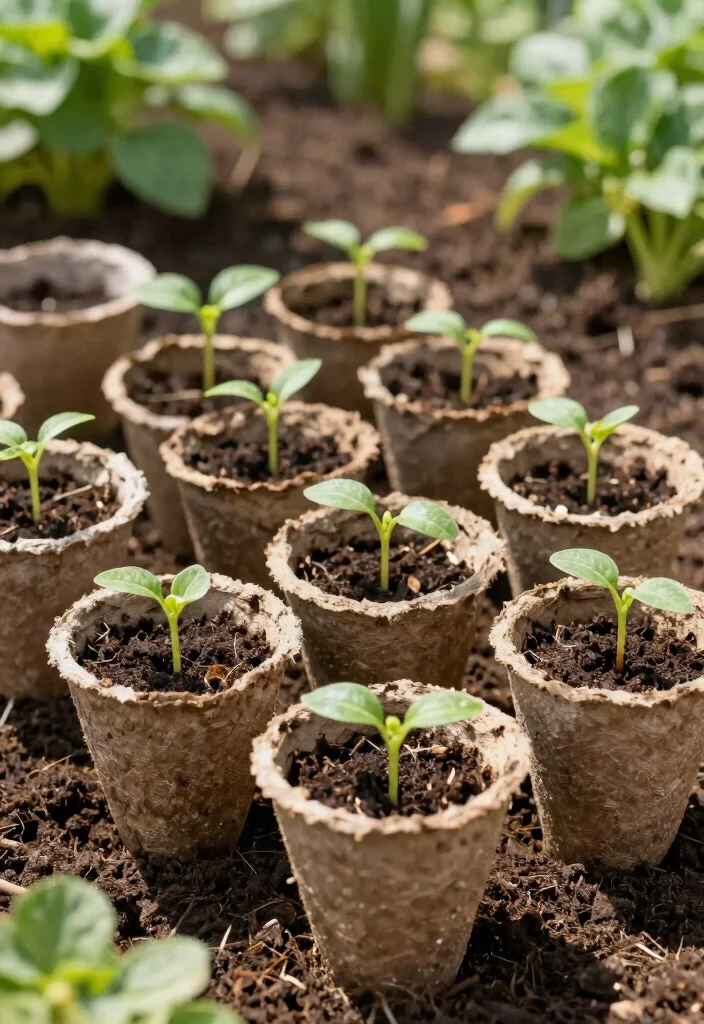
Opt for eco-friendly biodegradable pots for a sustainable gardening solution. Made from natural materials like peat, coconut coir, or paper, these pots break down over time, enriching the soil as your plants grow.
When using biodegradable pots, simply plant them directly into the ground to minimize root disturbance. They come in various sizes, making them ideal for starting seeds or nurturing small plants. As they decompose, they release nutrients back into the soil, benefiting your garden.
Advantages of biodegradable pots:
– Plant directly into the ground for easy use
– Available in multiple sizes for versatile planting
– Enrich soil as they break down
Biodegradable pots are an excellent choice for minimizing your environmental impact while enjoying the beauty of gardening.
Fun fact: Biodegradable pots made from paper or coconut coir break down in 3–6 months, feeding the soil as your plants grow. Plant them directly in the ground to minimize root disturbance and enrich the soil—perfect for planter box ideas outdoor in urban spaces.
Eco-Friendly Biodegradable Pots
Editor’s Choice


Conclusion
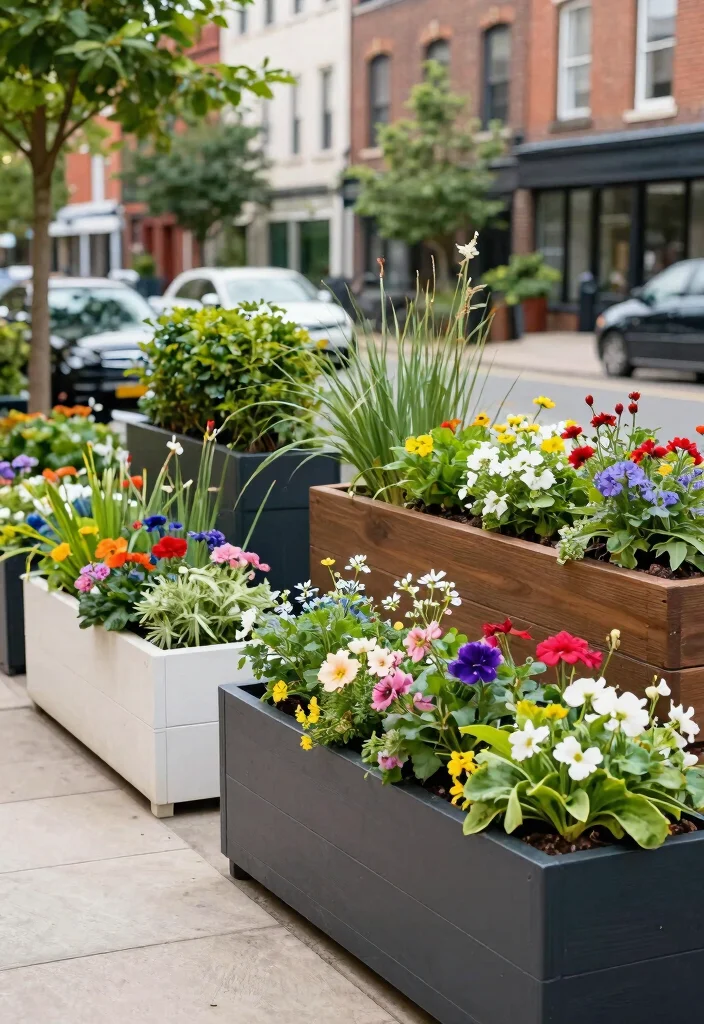
Exploring these 13 durable planter box ideas helps you pave the way for a stunning outdoor garden that reflects your personal style and eco-friendly values.
With options ranging from reclaimed wood to colorful painted planters, you have endless opportunities to express your creativity. Embrace these ideas, and let your garden be a vibrant extension of your home!
Note: We aim to provide accurate product links, but some may occasionally expire or become unavailable. If this happens, please search directly on Amazon for the product or a suitable alternative.
This post contains Amazon affiliate links, meaning we may earn a small commission if you purchase through our links, at no extra cost to you.
Frequently Asked Questions
What are some durable planter box ideas for outdoor spaces?
Durable planter box ideas start with weather-resistant planters and smart construction. For planter box ideas outdoor, choose materials that resist rot, rust, and cracking—like cedar or redwood, weather-resistant metal, concrete, or high-quality recycled plastic lumber. Build with tight seams, a watertight liner, and proper drainage. Elevate boxes slightly off the ground to reduce ground moisture and extend life. Seal joints with exterior-grade sealant and consider removable lids for winter storage. DIY planter box ideas using cedar slats or recycled plastic lumber are popular because they blend durability with sustainability. Add a drip tray or saucer to protect decks or patios.
How can I design outdoor planter boxes to complement urban spaces?
Urban spaces benefit from scalable, space-saving designs. Try outdoor planter designs that fit narrow balconies or windowsills, like tall vertical planters, corner shelves, or railing boxes. Mix garden planter styles with your building’s vibe: industrial metal, warm wood, or bright color pops. Get creative with creative planter boxes built from pallets, cinder blocks, or upcycled containers. When planning, ensure good drainage, accessible maintenance, and compatible potting mixes. If you want, you can transform shelves or crates into DIY planter box ideas that support your urban garden without clutter.
What are some weather-resistant planter box ideas that still look great?
These projects focus on weather-resistant planters that can withstand sun, rain, and wind while staying stylish. Choose materials with natural resilience (cedar, redwood, concrete, aluminum) and seal all joints with exterior-grade coatings. Use liners and proper drainage to prevent rot, and consider raised designs to improve airflow. For looks, pair rugged materials with simple lines, add UV-resistant paint or stain, and choose plantings that tolerate sun and wind. Plan for seasonal changes by storing liners or covering boxes in winter to extend life.
Which materials are best for sustainable DIY planter box ideas in urban gardening?
Think sustainability first. Favor sources that reduce waste and toxins. Options include untreated cedar or other durable woods (if sealed properly), upcycled pallets (with safe finishes), recycled plastic lumber, corrugated metal, and lightweight concrete. Avoid treated woods with toxic chemicals that can leach into soil. When assembling, plan for modularity and reuse to extend life. For DIY planter box ideas, use simple joinery, rainwater capture, and compostable liners to keep it green.
How do I maintain and winterize outdoor planter boxes to extend their life?
Maintenance is key. Clean boxes at the start of the growing season; scrub with mild soap and rinse. Check seals, reapply exterior sealant or stain every 1-2 years. Refresh soil and ensure good drainage; replace liners as needed. In winter, drain water, remove soil, or store boxes indoors if possible; otherwise, cover or wrap to protect from freeze-thaw. Inspect for moisture damage, tighten screws, and store hardware to keep your planter box ideas outdoor ready for spring.


![13 Functional Garden Potting Shed Ideas [Plant Lovers Only]](https://delushome.com/wp-content/uploads/2026/04/13-Functional-Garden-Potting-Shed-Ideas-Plant-Lovers-Only-150x150.webp)


