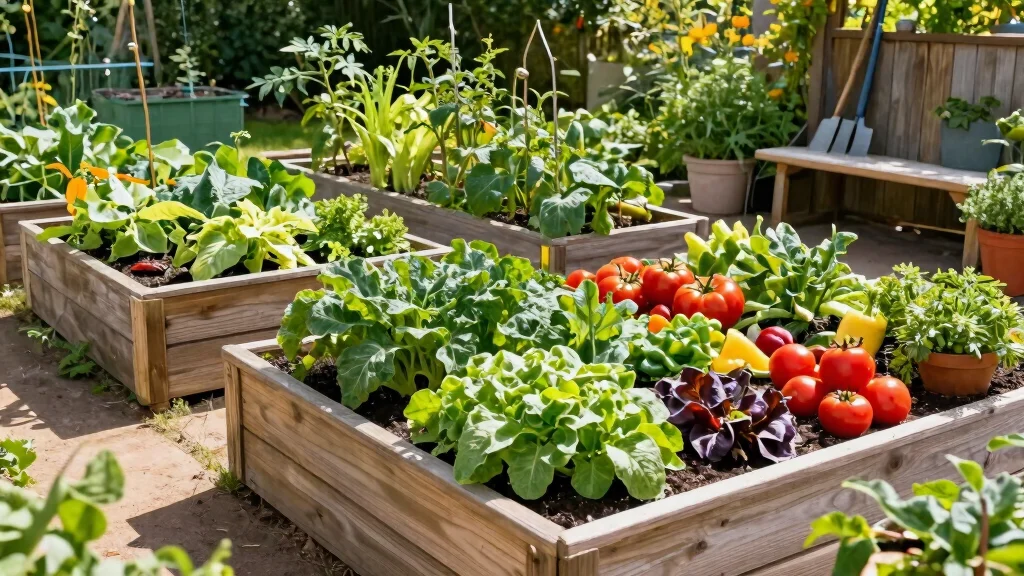
If you’ve been bitten by the gardening bug, you’re not alone. Many of us feel that special thrill when we imagine a lush vegetable garden thriving in our backyards. This time of year always reminds me of the joys of planting, nurturing, and ultimately harvesting fresh veggies. But what if you’re short on space? That’s where raised planters come in. They can help you create a stunning vegetable garden, even in the tightest spots!
If you’re a busy urban gardener or someone who has a small outdoor area, this one’s for you. You want to maximize your planting potential without sacrificing the beauty of your space. I pulled together 13 unique raised planter ideas that are creative, functional, and perfect for small vegetable gardens. Whether you’re a seasoned gardener or just starting out, these ideas will help you make the most of your gardening adventure.
In this post, you’ll discover a variety of inspiring raised planter solutions that cater to your outdoor gardening needs. From tiered wooden boxes to vertical pallet gardens, each idea will help you save space while growing your favorite vegetables. Get ready to learn how to transform your small area into a bountiful garden that you’ll love to show off!
Key Takeaways
– Raised planters not only save space but also make gardening easier, allowing for better soil drainage and easier access to plants.
– Explore creative options like vertical pallet gardens and tiered wooden planter boxes that maximize your gardening area without taking up too much ground space.
– Incorporating recycled materials, such as tires for planters, adds a quirky touch to your garden while being eco-friendly.
– Consider building DIY planter boxes to personalize your garden and fit your specific space and aesthetic needs.
– Each idea offers unique benefits, from lightweight hanging planters to stackable planter towers, ensuring there’s a perfect solution for your small outdoor gardening ambitions.
1. Tiered Wooden Planter Boxes
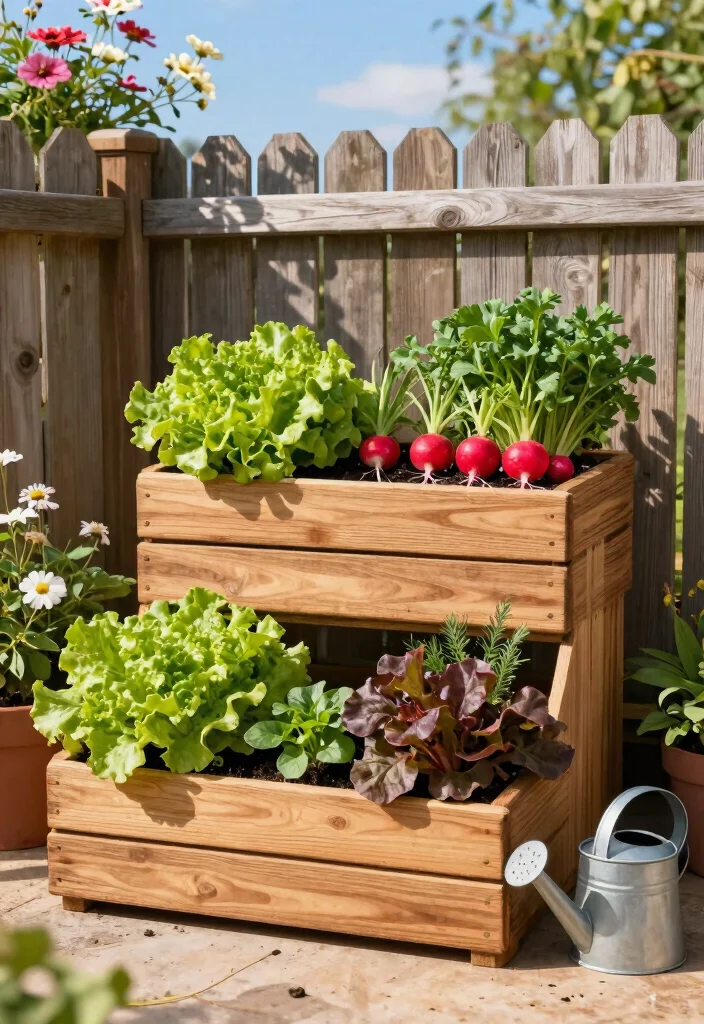
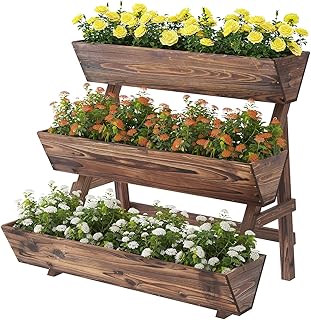
Are you looking to maximize your gardening space? Tiered wooden planter boxes are an excellent solution for small areas, effortlessly fitting into corners or against walls. These multi-level planters not only allow you to grow a diverse range of vegetables but also enhance your garden’s visual appeal. Imagine leafy greens thriving at the top while root vegetables flourish below, all thanks to their staggered design that promotes optimal drainage and sunlight exposure.
Using untreated cedar or redwood makes for a durable and attractive structure. Be sure to line each tier with landscaping fabric to retain moisture and keep pesky weeds at bay. If you’re feeling creative, paint or stain the wood to add a personal touch to your garden!
Mix soil with compost to ensure your plants receive all the nutrients they need to thrive.
Tiered Wooden Planter Boxes
Editor’s Choice



2. Vertical Pallet Gardens
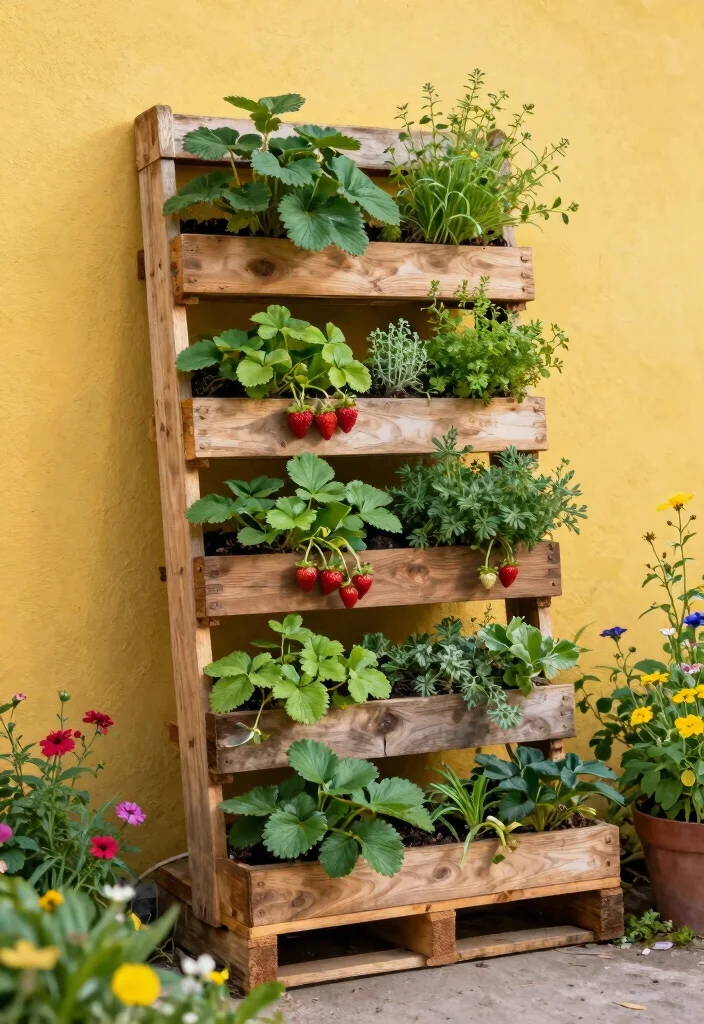
Looking for a fun and creative way to garden? Vertical pallet gardens allow you to recycle materials while expressing your unique style. These gardens can be easily leaned against a wall or hung up, making them a fantastic solution for tight spaces. You can fill each section with a variety of plants like strawberries, peppers, or herbs, transforming an ordinary pallet into a vibrant display of life.
Creating one is simple: start by sanding the pallet to smooth out any rough edges. Line the back with landscape fabric to keep the soil in place, then pack each section with potting mix.
Not only are they eco-friendly and budget-friendly, but they also make for a customizable design that can fit perfectly on small balconies or patios. Don’t forget to secure your pallet to prevent any falls, and why not add a splash of color by painting or decorating it?
3. Hanging Planters with Drip Trays
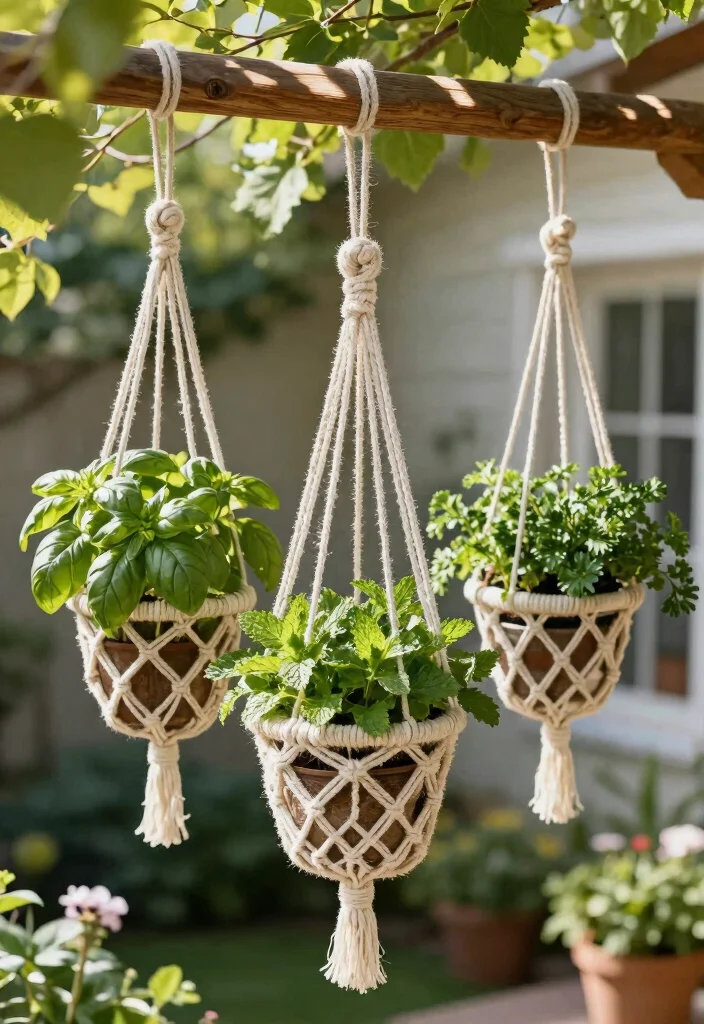
Craving a way to beautify your outdoor space while saving room? Hanging planters are the answer, providing a delightful touch to any area. With built-in drip trays to catch excess water, these planters keep your vegetables hydrated without the hassle of mess. They’re ideal for growing herbs like basil, thyme, and mint, and they add a charming vertical element to your garden.
You can choose from various materials such as metal or terracotta to match your style. Ensure they’re sturdy enough to support the weight of soil and plants, or get crafty and make your own with recycled containers.
To create a dynamic look, hang them at different heights for visual interest in your garden!
4. Recycled Tire Planters
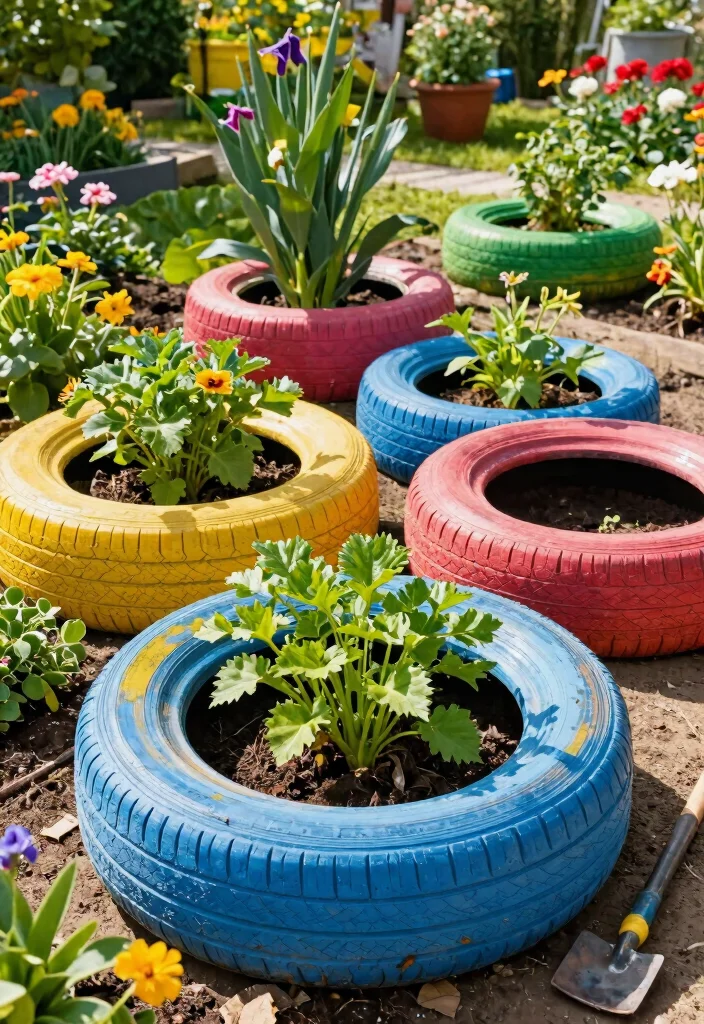
Want to make a bold statement in your garden? Transforming old tires into colorful planters is a fantastic way to blend creativity with sustainability. These quirky planters can be stacked or arranged in unique ways, making them perfect for maximizing vertical space in smaller gardens. You’ll love how they add a pop of color while showcasing your personality!
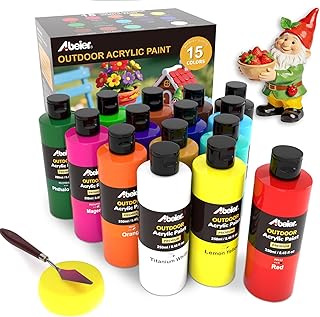
To get started, clean the tire thoroughly and paint it in bright colors that catch the eye. Fill it with soil and plant vegetables like beans or cherry tomatoes, enhancing the design with decorative stones or flowers around the base.
Not only do they look unique, but they also offer excellent drainage and are cost-effective, making them a conversation starter in your garden!
Recycled Tire Planters
Editor’s Choice


5. Wall-Mounted Vertical Planters
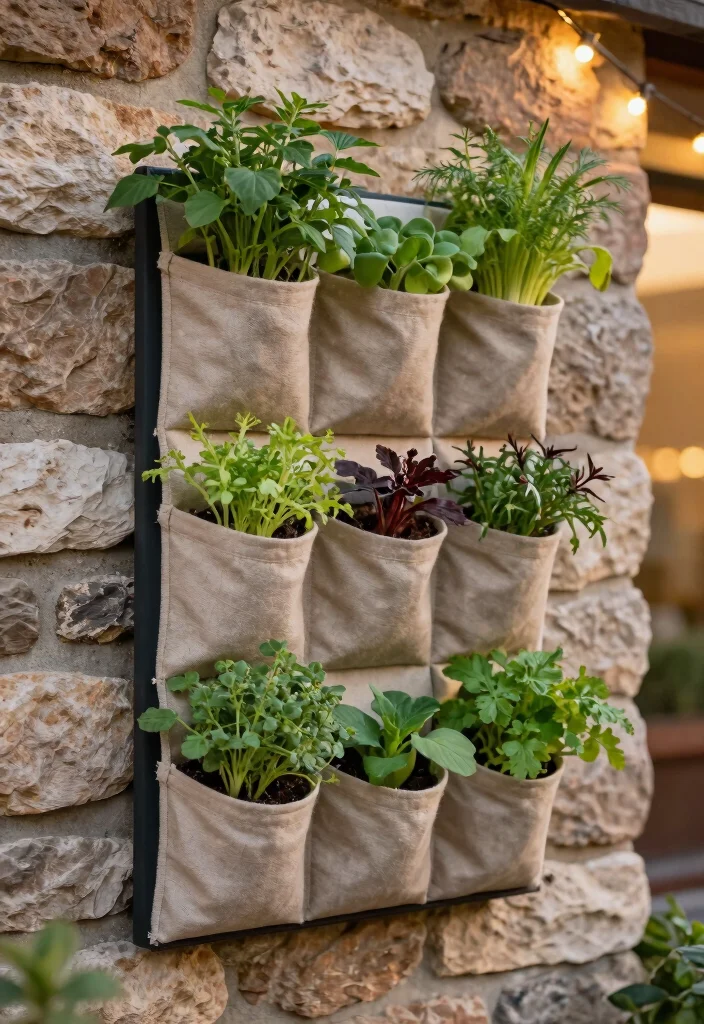
Looking for a smart way to bring life to your outdoor space? Wall-mounted vertical planters are perfect for adding greenery without sacrificing precious ground space. These planters can be made from pockets or tiers that securely hold soil and plants, making them suitable for herbs or small vegetables. They not only save floor space but also serve as an attractive focal point in your garden.
Choose weather-resistant materials to ensure longevity. With the right arrangement, you can create stunning patterns and even add decorative elements like fairy lights for extra charm.
For a DIY project, use treated wood or metal for a stylish appearance while ensuring proper drainage to keep your plants healthy.
6. Vertical Garden Trellises
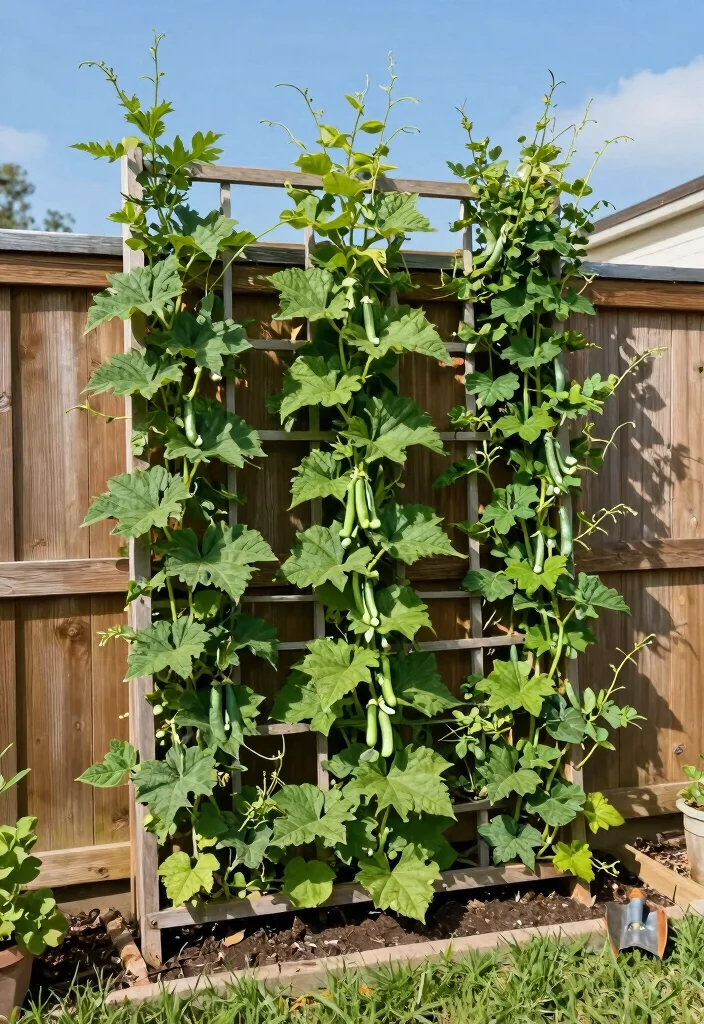
Are you eager to grow climbing vegetables like cucumbers and peas? Vertical garden trellises are the perfect solution, providing a sturdy structure for your plants to climb. This not only saves garden space but also improves air circulation, promoting healthier growth. You can easily build a simple DIY trellis using wood, bamboo, or even branches.
These trellises maximize vertical growth potential while reducing the risk of soil-borne pests. Set your trellis against a wall or fence for additional support, and guide your plants to climb as they grow.
For added beauty, consider incorporating colorful flowering vines alongside your vegetables for a stunning display!
7. Stackable Planter Towers
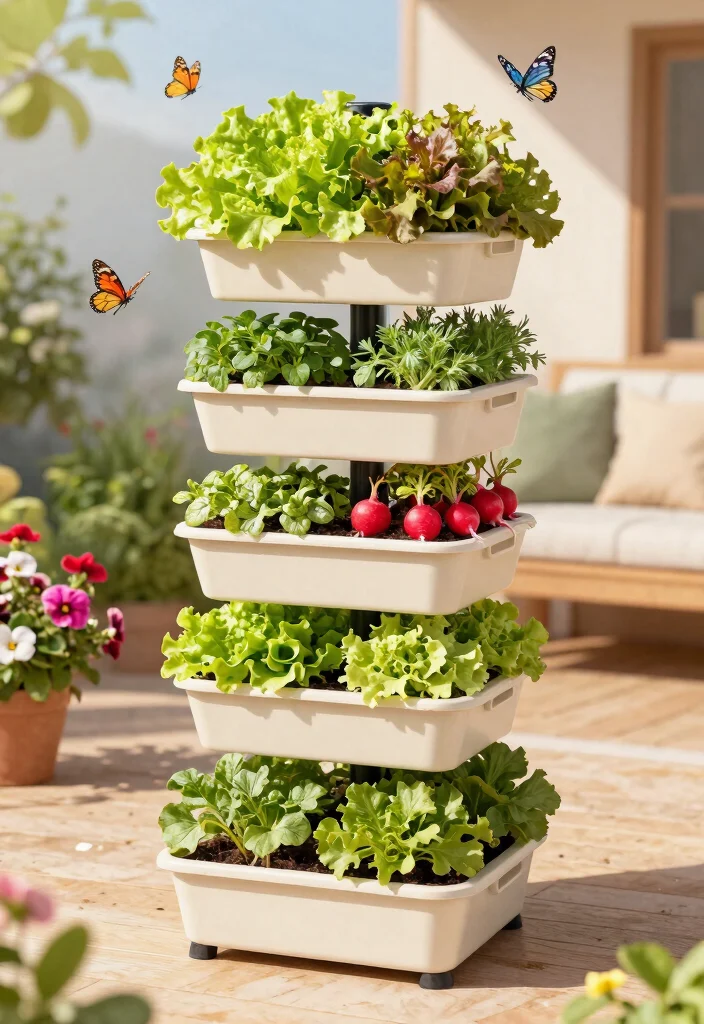
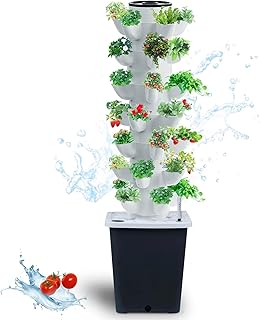
Want to grow a variety of vegetables in a limited space? Stackable planter towers are a fantastic solution that allows you to build upwards. This modular system gives you multiple planting spaces without occupying too much land, making it ideal for apartments or small yards.
They’re easy to maintain and offer an organized look, which is perfect if you love a tidy garden. Available in materials like plastic, wood, or ceramics, you can even create a DIY version using plastic pots or crates stacked securely.
For the best results, choose a mix of vegetables that can thrive in similar conditions to maximize your yield!
Stackable planter towers can triple your growing space in small yards. A typical 4-tier tower offers up to 16 planting pockets for veggies. Pro tip: start with durable plastic pots or crates for a quick, DIY raised planter ideas outdoor setup you can build this weekend.
Stackable Planter Towers
Editor’s Choice


8. Elevated Planter Boxes
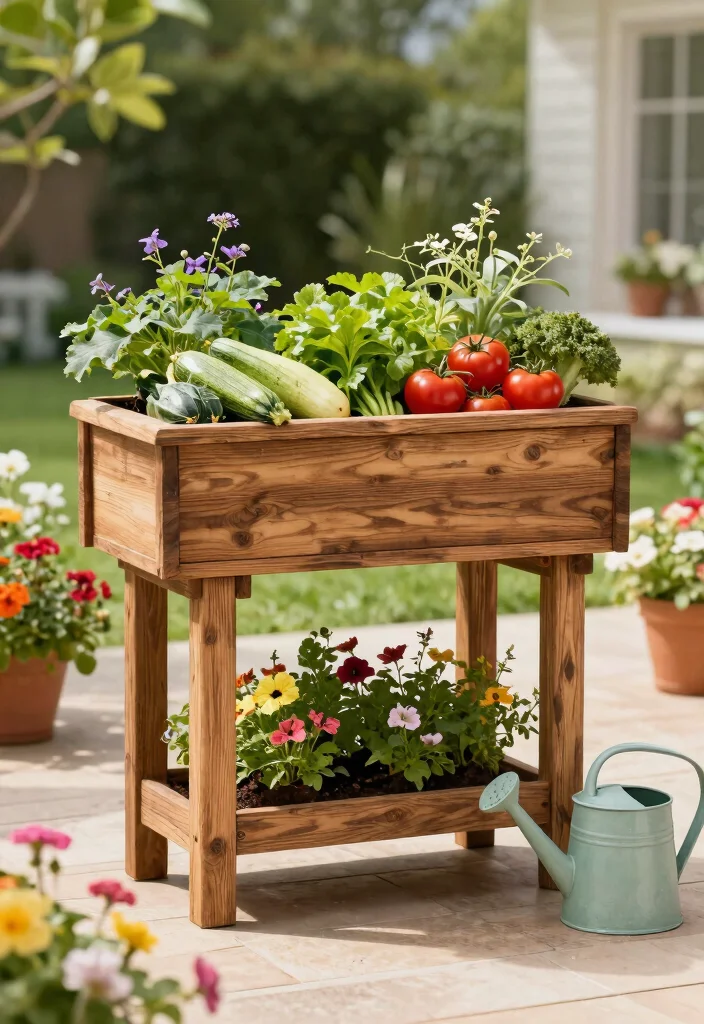
Do you want to garden without the back strain? Elevated planter boxes are an excellent choice, sitting at a comfortable waist height so you can easily tend to your veggies. They provide accessibility for all ages and abilities while keeping plants safe from pests and improving drainage.
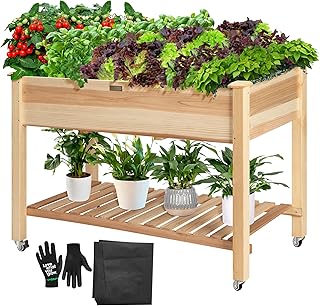
You can build your own elevated planter with simple wood planks or purchase ready-made options. Fill them with a nutrient-rich soil mix, and you’re all set to grow! Consider adding wheels for mobility, making it easy to move your planter around as needed.
A drip irrigation system would be a great addition for hassle-free watering!
Elevated Planter Boxes
Editor’s Choice




Key Trade-offs & Our Top Pick
Option 1: Tiered Wooden Planter Boxes
– Pros:
– They offer multiple planting levels, maximizing your planting area in a small space.
– Made from natural wood, they blend well with outdoor aesthetics.
– Cons:
– Wood can rot over time, requiring maintenance or replacement.
– They may be heavier and harder to move once filled with soil.
– Best for: Those looking to create a beautiful and functional display of vegetables in a patio or terrace garden.
Option 2: Vertical Pallet Gardens
– Pros:
– Pallets are often free or inexpensive, making them a budget-friendly option.
– They allow for creative designs and can fit into tight spaces.
– Cons:
– Not all pallets are safe for growing food; you must ensure they are untreated.
– They may require additional support to prevent collapsing under weight.
– Best for: DIY enthusiasts who enjoy upcycling materials and want a unique garden feature.
Option 3: Stackable Planter Towers
– Pros:
– These planters are designed for vertical growth, maximizing space even further.
– They often come with built-in watering systems, making them easier to maintain.
– Cons:
– They can be more expensive compared to traditional planters.
– Limited plant variety may restrict your vegetable choices.
– Best for: Urban gardeners with limited floor space who still want to grow a variety of vegetables.
Option 4: Wall-Mounted Vertical Planters
– Pros:
– They save ground space and can be hung on walls, fences, or balconies.
– Easy to access and maintain without bending down.
– Cons:
– Requires sturdy mounting to prevent accidents.
– Some designs may limit the size of plants you can grow.
– Best for: Individuals who want to maximize vertical space in urban settings or small backyards.
Expert Recommendation:
Best Overall: Stackable Planter Towers
Stackable planter towers are our top pick because they perfectly balance space-saving and functionality. They provide an easy way to grow a variety of vegetables without taking much ground space. With built-in irrigation, they make watering less of a chore, letting you enjoy your garden more. They are also designed for durability, ensuring you get value for your investment.
Why We Picked This:
While stackable planter towers are our favorite, not everyone may need this type of solution. If you’re on a tight budget, vertical pallet gardens can be a fun and creative project. For those who prefer a more classic look, tiered wooden planter boxes might be the way to go. Consider your gardening style, budget, and available space when making your choice. Each option has its charm and can help you create a delightful vegetable garden in your small space!
9. Vertical Hydroponic Gardens
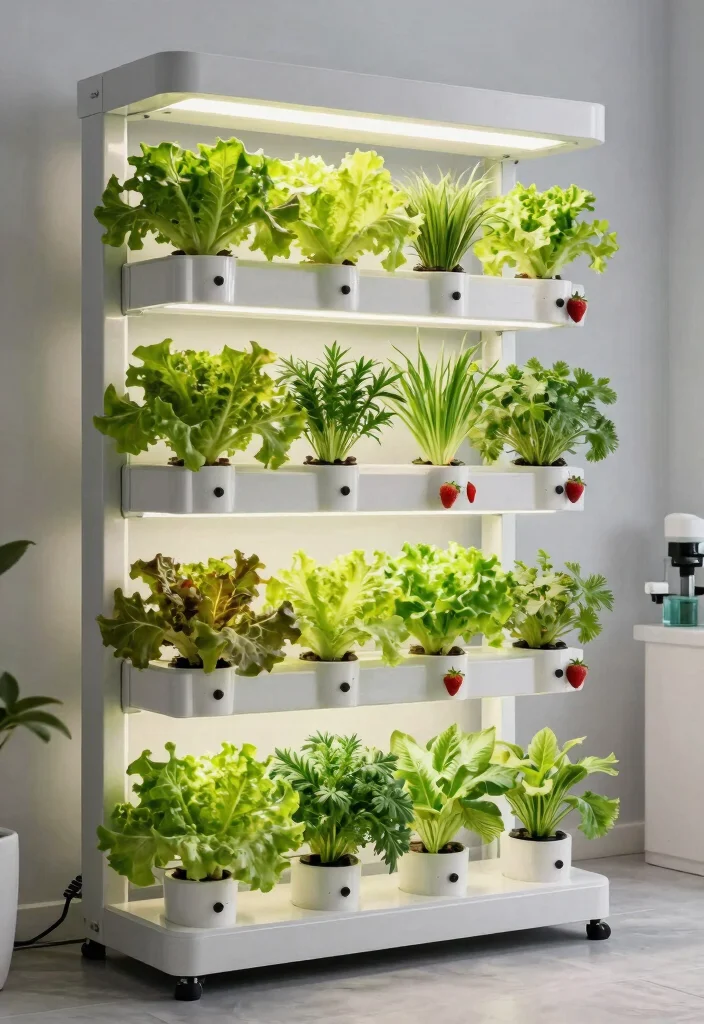
Are you ready to take your gardening to the next level? Vertical hydroponic systems allow you to grow plants in water without soil, making them perfect for small spaces. These setups can be arranged vertically, maximizing your growing area while offering faster growth rates and fewer pests.
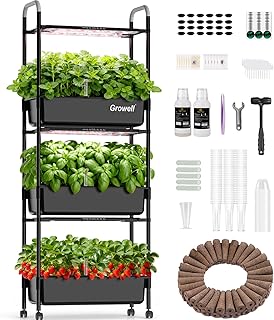
To create your own hydroponic garden, you’ll need a growing medium, nutrient solutions, and a water reservoir with a pump system. You can grow a variety of plants, from lettuce to strawberries, indoors or outdoors depending on your preference.
Be sure to provide adequate lighting when growing indoors to maintain optimal growth!
Vertical Hydroponic Gardens
Editor’s Choice



10. Gutter Gardens
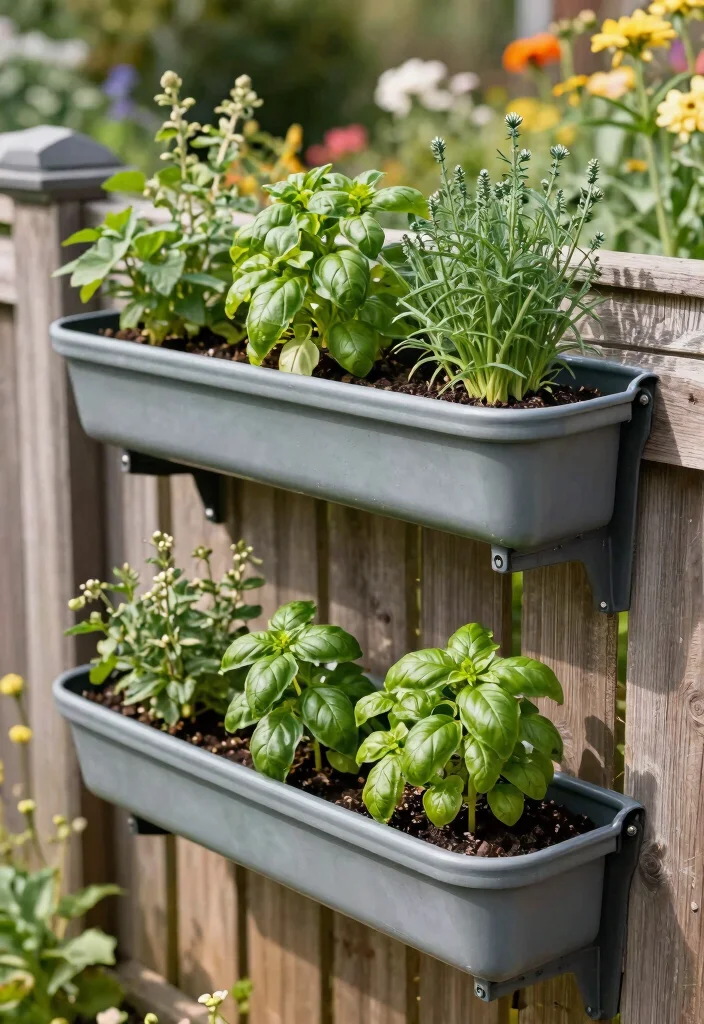
Looking for an inexpensive and effective gardening solution? Gutter gardens are a creative way to utilize vertical space, making them perfect for smaller plants like herbs or lettuces. Old gutters can be easily hung on walls or fences to create charming troughs for your plants.
Setting one up is simple: clean and cut the gutters to your desired length, securely mount them to a wall, and fill them with soil to plant your favorite veggies.
They offer a quirky design while being budget-friendly, but don’t forget to drill holes for drainage to keep your plants thriving!
11. Barrel Planters
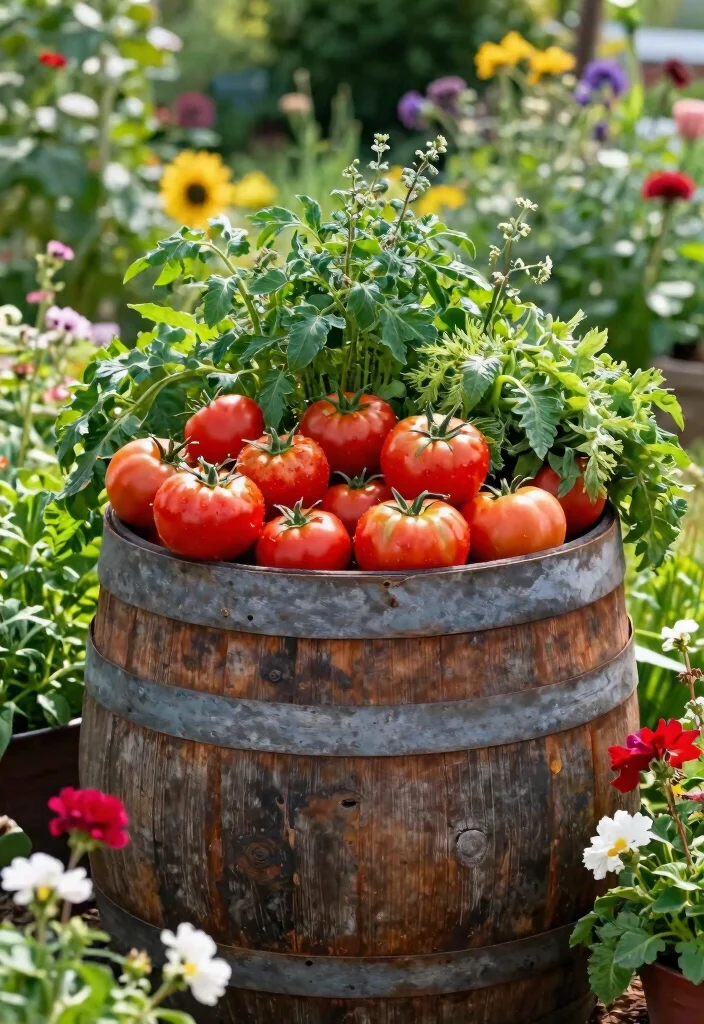
Want to add rustic charm to your garden? Old barrels can serve as excellent planters, providing ample space for a variety of vegetables. They can be placed vertically or horizontally, making them versatile for any garden layout.
Barrel planters are great for larger plants like tomatoes or squash, and they help prevent root rot with drainage holes. To transform a barrel into a planter, simply cut it in half or leave it whole, fill it with quality soil, and start planting! You can add a decorative touch by staining or painting the outside.
Consider adding trellises inside the barrels for climbing plants to enhance your garden’s appeal!
Fun fact: Barrels turn small spaces into raised planter ideas outdoor gold—drainage holes cut root rot risks and invite tomatoes and squash to thrive. Place them vertically or horizontally, cut in half or keep whole, and start planting smart.
12. Small Space Greenhouses
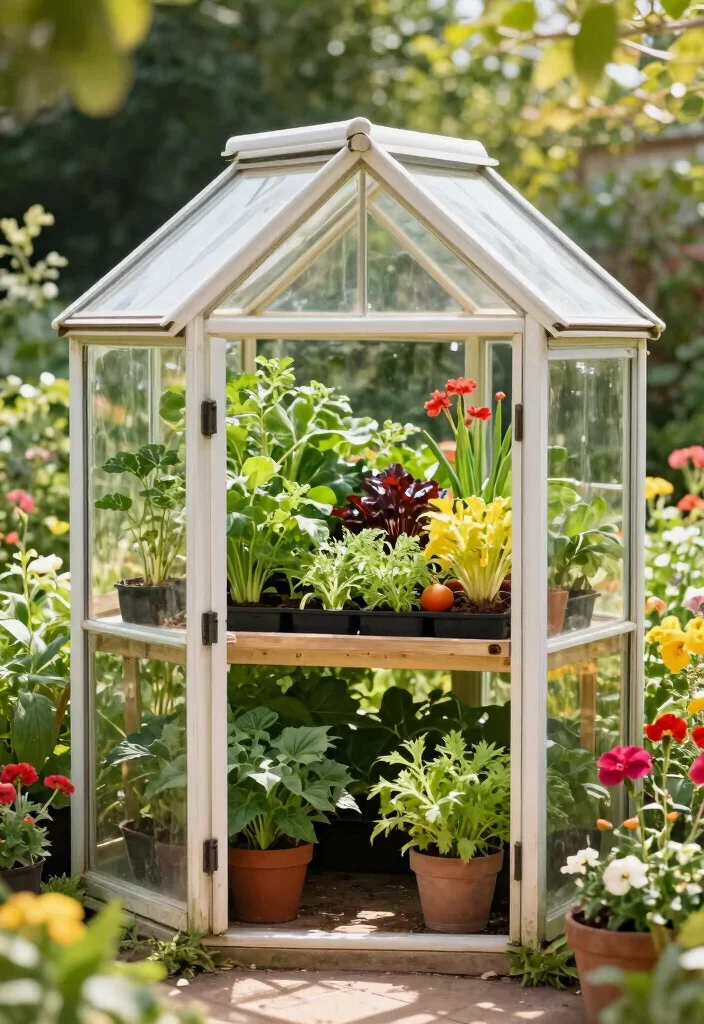
Are you looking to extend your growing season? A small space greenhouse is a fantastic solution that allows you to maximize vertical space while providing a controlled environment for your vegetables. These greenhouses can be freestanding or attached to a wall, making them versatile for various settings.
They protect plants from pests and harsh weather while allowing you to grow a variety of crops year-round. Check out mini greenhouses that fit into tight spaces and come with shelves for additional planting.
Utilizing vertical shelving within the greenhouse can help you optimize your growing area and enjoy fresh vegetables all year long!
Small space greenhouses can extend your growing season and protect crops year-round. For tight spots, choose a freestanding or wall-attached mini greenhouse with shelves—it’s a practical, space-saving upgrade for raised planter ideas outdoor.
13. DIY Wine Crate Planters
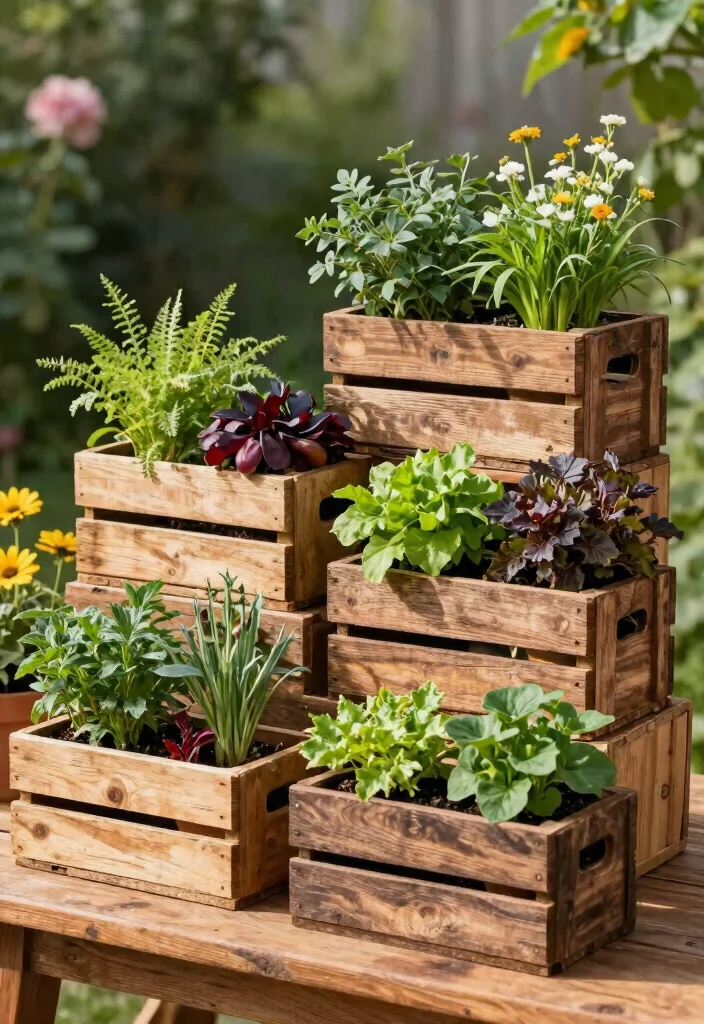
Want to add character to your garden while maximizing planting options? Repurposing old wine crates into planters is a chic and affordable way to do just that. These versatile crates can be stacked or arranged creatively, forming a unique gardening display that reflects your style.
Just ensure they’re lined properly with fabric to hold the soil and prevent rot. Fill them with your favorite vegetables, such as herbs or compact tomato varieties, to create a vibrant garden display.
For an added personal touch, consider staining or painting the crates to match your garden’s aesthetic!
Conclusion
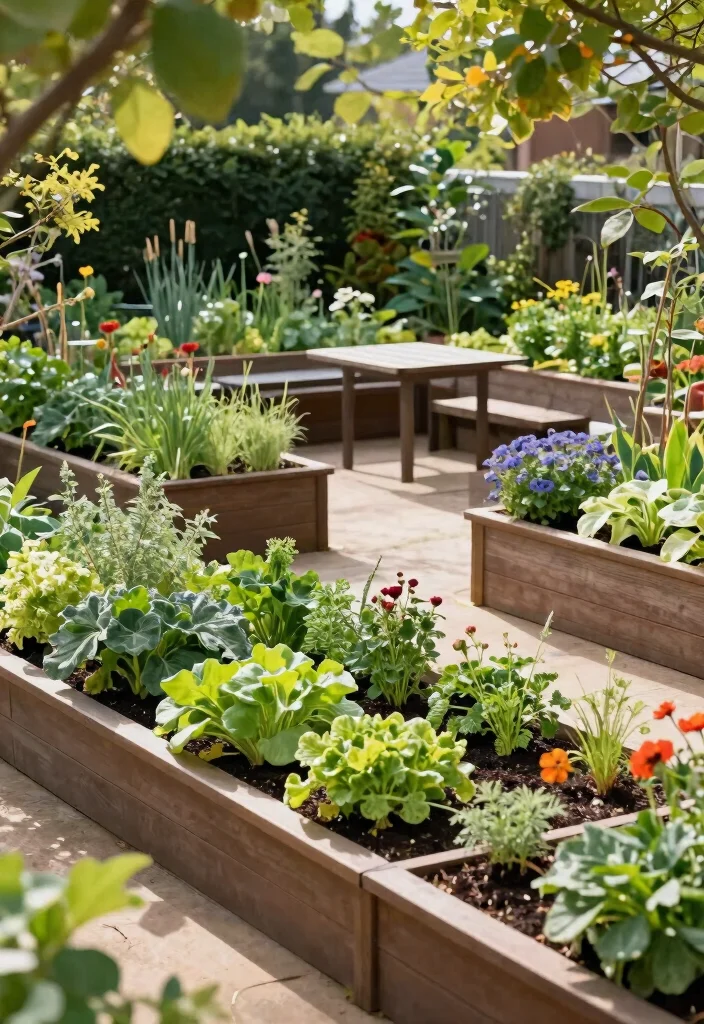
With these 13 raised planter ideas, you’ll be well on your way to creating an efficient and beautiful vegetable garden, no matter the size of your space.
Embrace the creativity and functionality of vertical gardening and transform your outdoor area into a thriving oasis.
So, gather your tools, channel your inner gardener, and start planting today!
Note: We aim to provide accurate product links, but some may occasionally expire or become unavailable. If this happens, please search directly on Amazon for the product or a suitable alternative.
This post contains Amazon affiliate links, meaning we may earn a small commission if you purchase through our links, at no extra cost to you.
Frequently Asked Questions
What are the most effective raised planter ideas outdoor for small-space vegetable gardens?
Here are the most effective raised planter ideas outdoor for small-space vegetable gardens: vertical pocket walls, tiered planter towers, railing planters, tall narrow boxes, and repurposed pallets turned into DIY planter boxes.
Start by picking a sunny spot and measuring available width so you don’t crowd walkways. Use a well-draining soil mix (quality potting mix blended with compost) and aim for a soil depth of 8–12 inches for most vegetables.
Choose compact or dwarf varieties like lettuce, spinach, radishes, bush beans, cherry tomatoes, and herbs. If you can, add a small trellis for climbing plants to maximize growth in height.
For space-saving gardening solutions, combine vertical walls with freestanding boxes along fences or balconies. Finish with a simple care routine: water in the morning, feed lightly every 3–4 weeks with a balanced fertilizer, and refresh the top layer of soil with compost each season.
How can I convert vertical space into productive raised garden beds without sacrificing soil depth?
Convert vertical space into productive raised garden beds with pocket planters, modular panels, and wall-mounted boxes that hold soil at multiple levels.
For each level, aim for at least 6–8 inches of soil depth for shallow crops like lettuce and herbs, and 12 inches for deeper roots such as carrots or beets.
Line frames with landscape fabric to keep soil in place, and use a simple drip irrigation line or a small water reservoir to prevent drying. Plant layout tips: top tier for greens, middle tier for root crops, and side trellises for climbers. Make sure the structure is sturdy enough to bear weight and check fasteners regularly.
These ideas fit into space-saving gardening solutions and vegetable garden design concepts, ideal for balconies and small patios.
What materials are best for DIY planter boxes that fit compact patios and balconies?
Best materials for DIY planter boxes that fit compact patios and balconies: choose cedar or redwood for natural rot resistance, or exterior-grade plywood with a weatherproof sealant. Recycled plastic lumber and powder-coated metal are also durable low-maintenance options.
Avoid pressure-treated wood for edible gardens, or line with a food-safe liner to prevent chemical contact. For assembly, use basic screws, predrill nails, and add corner bracing. If you’re on a budget, repurpose pallets into vertical planters after sealing and removing rough edges.
Tip: add drainage holes and a bottom tray or grow bag liners to protect decks and keep soil from washing out. This is a solid example of DIY planter boxes that last.
How should I design a space-saving vegetable garden using raised planters to maximize yields?
Designing a space-saving vegetable garden with raised planters starts with sun, size, and flow. Place planters in a neat grid or staggered rows to keep walkways clear and your soil accessible.
Use a mix of shallow boxes for quick crops (lettuce, herbs) and one deeper bed for root vegetables. Add vertical elements like a trellis or a tall tomato cage to multiply growing area without widening the footprint.
Group plants by water needs and plan a simple irrigation system to keep everything evenly moist. Choose materials that tie the look together for a cohesive vegetable garden design and space-saving gardening solutions, then finish with a compact composting corner for sustainability.
What maintenance tips help keep vertical raised planters healthy and productive all season?
Maintenance tips to keep vertical raised planters healthy and productive all season: ensure good drainage and never let pots sit in a soggy tray.
Refresh topsoil and compost each season, and top-dress with a light mulch to conserve moisture and deter weeds. Rotate crops so soil nutrients stay balanced and disease pressure stays low.
Regularly inspect for pests and prune any diseased leaves, then wash hands and tools to prevent spread. If you use irrigation, check emitters periodically and adjust as weather changes. With these outdoor gardening tips, your vertical planters stay productive year-round.


![13 Functional Garden Potting Shed Ideas [Plant Lovers Only]](https://delushome.com/wp-content/uploads/2026/04/13-Functional-Garden-Potting-Shed-Ideas-Plant-Lovers-Only-150x150.webp)


