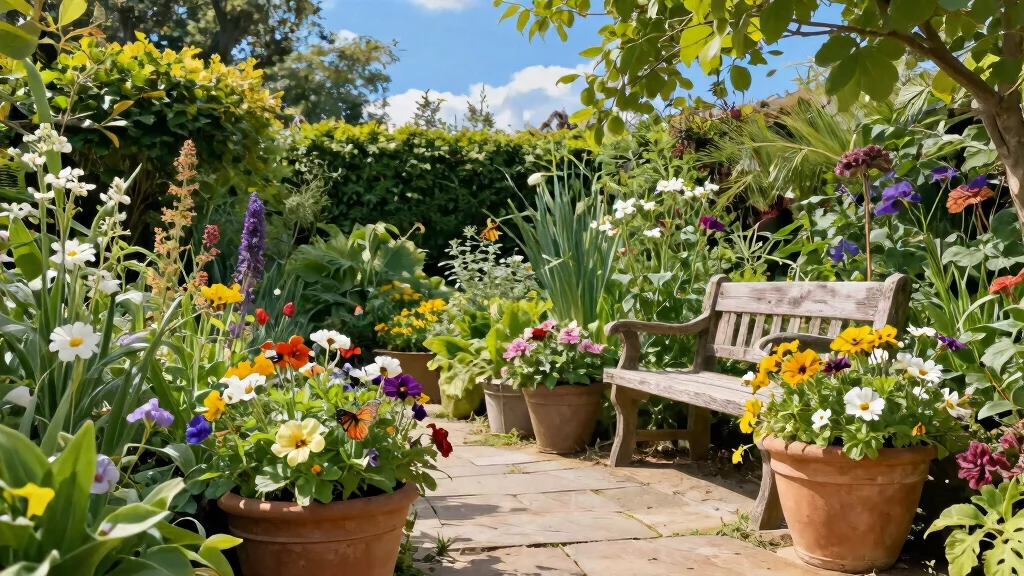
Gardening season is just around the corner, and I’m feeling inspired to create some beautiful outdoor spaces that thrive year after year. If you’re like me, you’re probably craving ways to make your garden more sustainable and inviting for pollinators. There’s something truly rewarding about watching perennial plants bloom season after season, creating vibrant displays that nurture nature. That’s why I’ve compiled this list of 13 best outdoor perennial planter ideas to spark your creativity and help you design lush, eco-friendly spaces.
Whether you’re a seasoned gardener or just starting out, this post is for anyone who loves exploring new ideas for container gardening and garden designs. You might be looking for unique ways to incorporate perennial plants into your outdoor decor, or maybe you’re seeking effective methods to attract butterflies and bees. Whatever your gardening goal, I’ve gathered engaging and practical ideas that will not only beautify your home but also support our precious pollinators. Get ready to discover planter designs that are practical, fun, and perfect for every year!
In this article, you’ll find a variety of planter styles and concepts that suit different tastes and spaces. From vertical herb gardens to artistic planter sculptures, there’s something for everyone. Each idea is crafted to inspire your gardening journey, giving you the tools to create stunning displays that last through the seasons while benefiting the environment.
Key Takeaways
– Explore a variety of unique planter ideas, including vertical gardens and rustic containers, to enhance your outdoor space.
– Incorporate pollinator-friendly plants into your designs to attract bees and butterflies, supporting local ecosystems.
– Discover seasonal planting techniques that allow you to rotate your planters throughout the year for continuous blooms and vibrant colors.
– Learn about eco-friendly materials like coconut coir and repurposed containers that add charm while being sustainable.
– Get practical tips on garden design that balances aesthetics with functionality, making your garden both beautiful and welcoming.
1. Vertical Herb Garden Planters
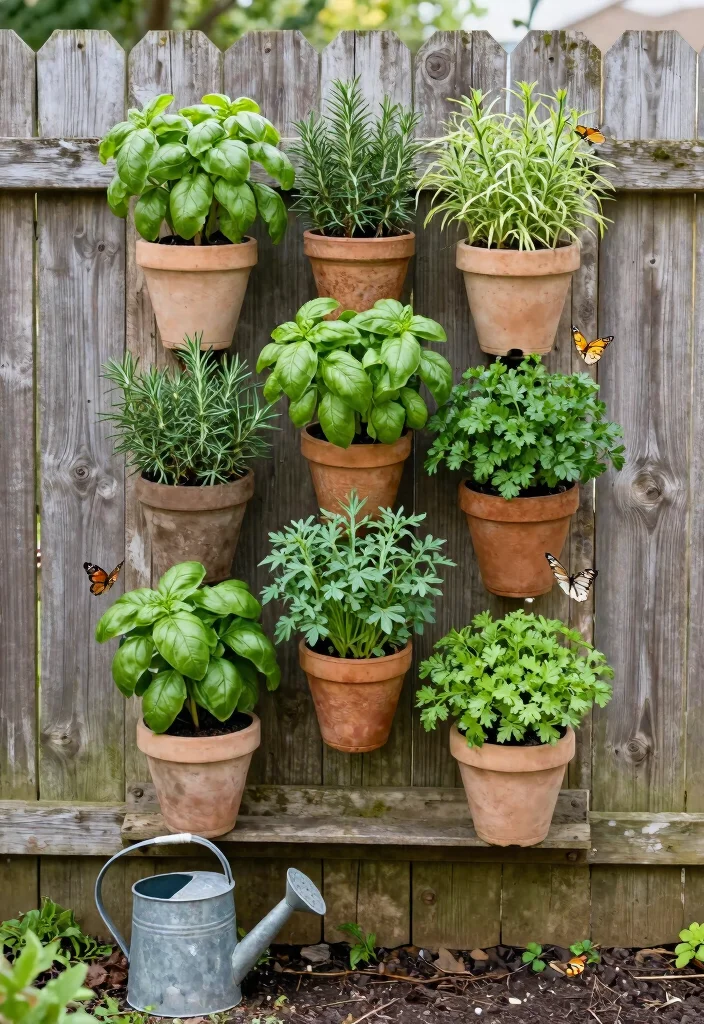
If you’re short on space but love fresh herbs, vertical herb gardens are the answer. These planters, crafted from wood pallets or wall-mounted pots, create an eye-catching display of fragrant plants like basil, thyme, and mint. Imagine stepping outside and snipping fresh herbs right from your own wall garden, adding flavor to your meals effortlessly.
To kick off your vertical garden, start with a sturdy frame and choose pots that fit your style. Opt for vibrant colors or simple terracotta to match your outdoor decor. By using organic soil and local herbs, you’ll nurture a sustainable kitchen garden while enhancing your backyard’s charm.
Key features to consider:
– Use wall-mounted pots for a modern look.
– Select herbs that thrive in your climate.
– Incorporate decorative elements like colorful markers.
This setup not only elevates your garden’s aesthetics but also provides easy access to fresh ingredients, enhancing your cooking experience.
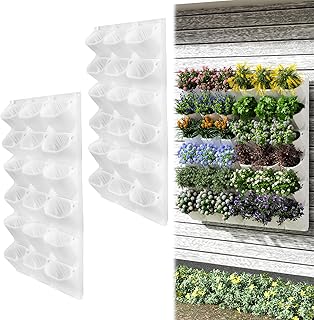
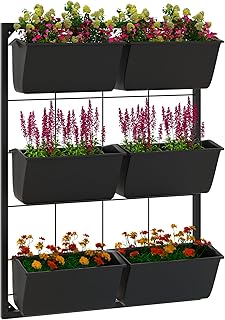
Vertical Herb Garden Planters
Editor’s Choice




Key Trade-offs & Our Top Pick
Vertical Herb Garden Planters
– Pros:
– Maximizes limited space with a vertical design 🌱
– Easy access for harvesting herbs without bending over
– Cons:
– May require more frequent watering due to faster drying out
– Limited to specific plant types that fit the vertical space
– Best for: Small patios or balconies where floor space is limited.
Rustic Wooden Container Planters
– Pros:
– Adds a charming, natural look to your outdoor decor 🍂
– Durable if treated properly; can last for years
– Cons:
– Wood can rot over time, especially if not maintained
– Some may find the weight difficult to manage when moving
– Best for: Gardeners looking for a classic style with a natural touch.
Pollinator-Friendly Prairie Gardens
– Pros:
– Supports local wildlife and promotes biodiversity 🐝
– Requires less maintenance once established due to native plants
– Cons:
– Needs a larger area to be effective
– Initial planting can be more expensive depending on the plant selection
– Best for: Those committed to sustainability and enhancing local ecosystems.
Creative Repurposed Containers
– Pros:
– Eco-friendly alternative using items you already have ♻️
– Unique designs can add character to your garden
– Cons:
– Some materials may not provide good drainage
– May require additional work to clean or prepare the containers
– Best for: DIY enthusiasts and those who love a personalized garden.
Eco-Friendly Coconut Coir Planters
– Pros:
– Biodegradable and sustainable, reducing plastic waste 🌍
– Provides excellent drainage and aeration for roots
– Cons:
– Can be more expensive than traditional plastic pots
– May not hold moisture as well in very hot climates
– Best for: Environmentally conscious gardeners looking for sustainable alternatives.
Best Overall: Vertical Herb Garden Planters
This option stands out for its compact design and ease of use. Vertical herb garden planters help you make the most of your available space while providing a fresh supply of herbs for cooking. They are versatile enough to fit on a balcony or even in a corner of your garden. Plus, they often come with built-in watering systems, making maintenance a breeze. 🌟
Why We Picked This:
While vertical herb garden planters are perfect for those with limited space, you might prefer rustic wooden planters for their aesthetic appeal or eco-friendly options like coconut coir. The key is to assess your needs, whether it’s space, sustainability, or design, so you can choose what truly works for your garden.
2. Rustic Wooden Container Planters
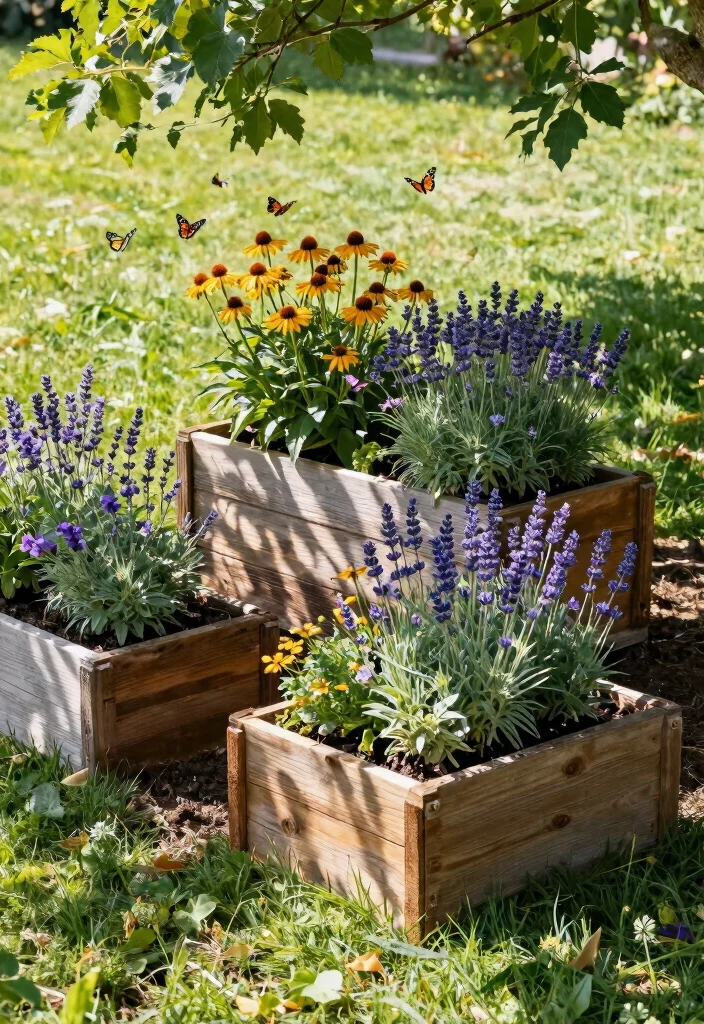
Bring warmth to your outdoor space with rustic wooden container planters. Whether made from reclaimed wood or charming wooden crates, these planters introduce a cozy, farmhouse vibe that enhances any garden. Picture vibrant perennial flowers like lavender and echinacea blooming beautifully in these earthy containers, attracting bees and butterflies.
To maximize the beauty of your wooden planters, layer them with mulch and organic compost for moisture retention. Trailing plants can spill gracefully over the edges, adding depth and movement. These rustic pieces not only house your favorite flowers but also become striking focal points in your garden.
Essential tips for your wooden planters:
– Choose reclaimed materials for sustainability.
– Ensure proper drainage for healthy growth.
– Mix perennials for diverse blooms.
With these charming planters, you’ll create a lush garden that welcomes both nature and tranquility.
Rustic Wooden Container Planters
Editor’s Choice


3. Colorful Container Combinations
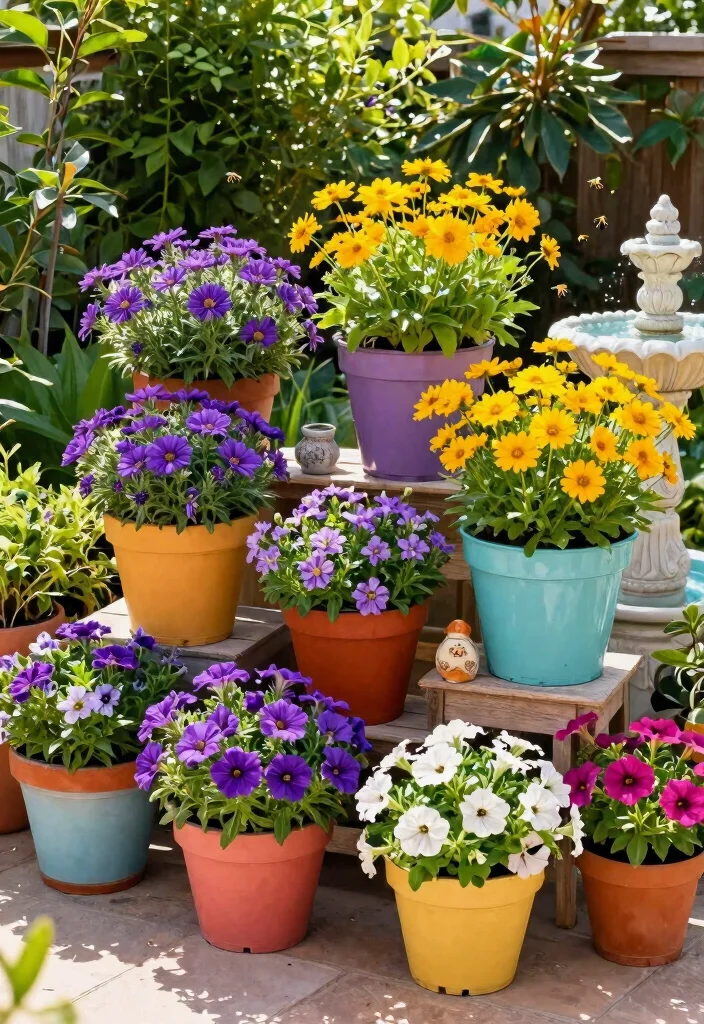
Create stunning visual displays by mixing perennial plants in colorful containers. By pairing flowers with varying heights, colors, and bloom times, you can craft a lively arrangement that captivates the eye throughout the seasons. Imagine a dynamic garden bursting with purple asters and golden coreopsis, each bloom complementing the other.
For successful container combinations, try the thrill, fill, and spill method: start with tall plants, fill with medium ones, and let trailing varieties drape over the edges. This method not only looks great but also makes it easy to change your garden’s look as the seasons shift.
Steps to achieve vibrant combinations:
– Select plants based on height for visual impact.
– Use color theory to create harmony.
– Choose varieties that bloom at different times.
With these colorful combinations, your garden will become a cheerful retreat that attracts pollinators all season long.
4. Terraced Planter Beds
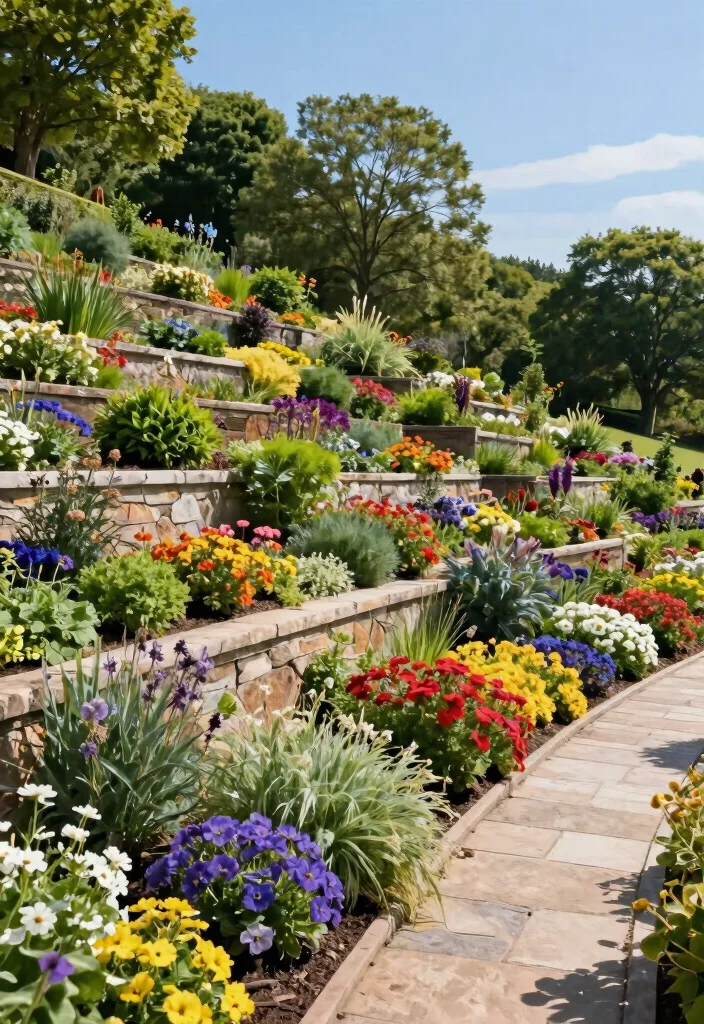
Terraced planter beds offer a stylish solution for sloped yards, turning potential challenges into beautiful layered gardens. These multi-tiered beds can showcase various perennial plants, adding depth and visual interest to your outdoor space. Imagine a cascading garden filled with colorful flowers, each layer enhancing the natural beauty of your yard.
By terracing, you can prevent soil erosion while creating microclimates that cater to different plant needs. Incorporate stone pathways between the levels to improve accessibility and encourage exploration. These structured layers not only serve practical purposes but also draw the eye upward, creating a stunning focal point.
Key considerations for terraced beds:
– Plan for diverse plants across tiers.
– Use native species to enhance local ecology.
– Ensure stability with proper materials.
This approach transforms your garden into a vibrant haven, attracting pollinators and offering a unique aesthetic year-round.
5. Hanging Planter Innovations
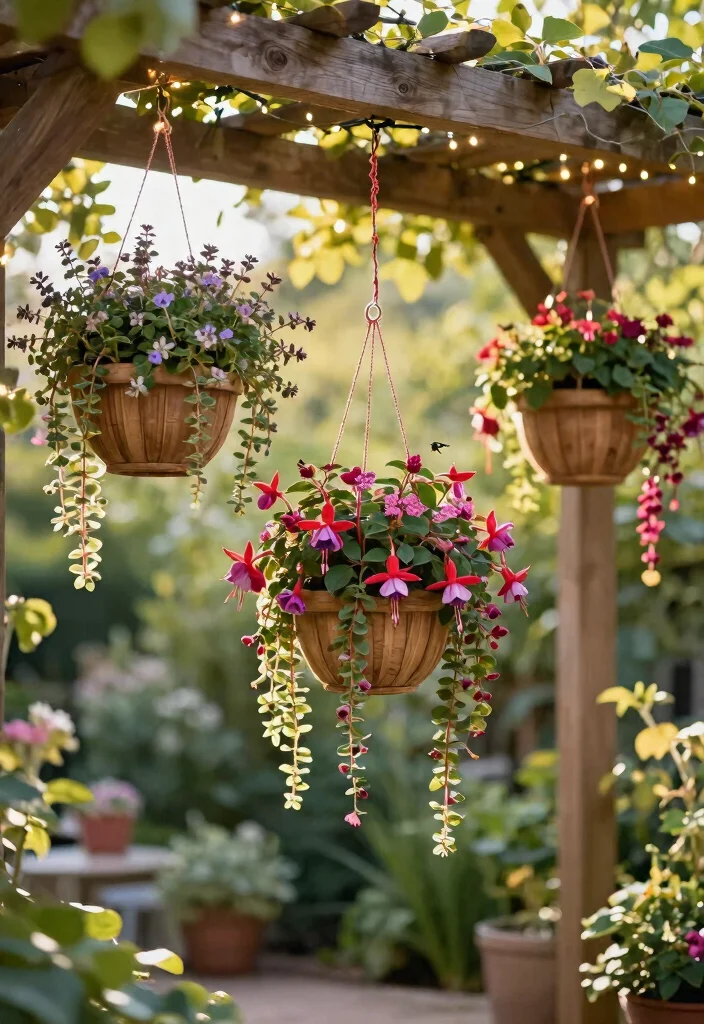
Elevate your garden by incorporating hanging planters that add both dimension and flair. Perfect for trailing perennial plants like creeping thyme or fuchsia, these planters create stunning visual effects as plants gracefully spill over the edges. Imagine a vibrant display of blooms swaying gently in the breeze, inviting pollinators to visit.
Hanging planters are ideal for small spaces where ground area is limited. Group several at varying heights for an eye-catching arrangement that draws the eye upward. Ensure proper drainage to keep plants healthy while pairing them with colorful flowers for a cheerful touch.
Consider these tips for your hanging planters:
– Choose eco-friendly materials for sustainability.
– Arrange at different heights for drama.
– Select plants that thrive in your local climate.
With these innovative planters, you’ll create a lively garden feature that enchants both you and your guests while supporting local wildlife.
6. Pollinator-Friendly Prairie Garden
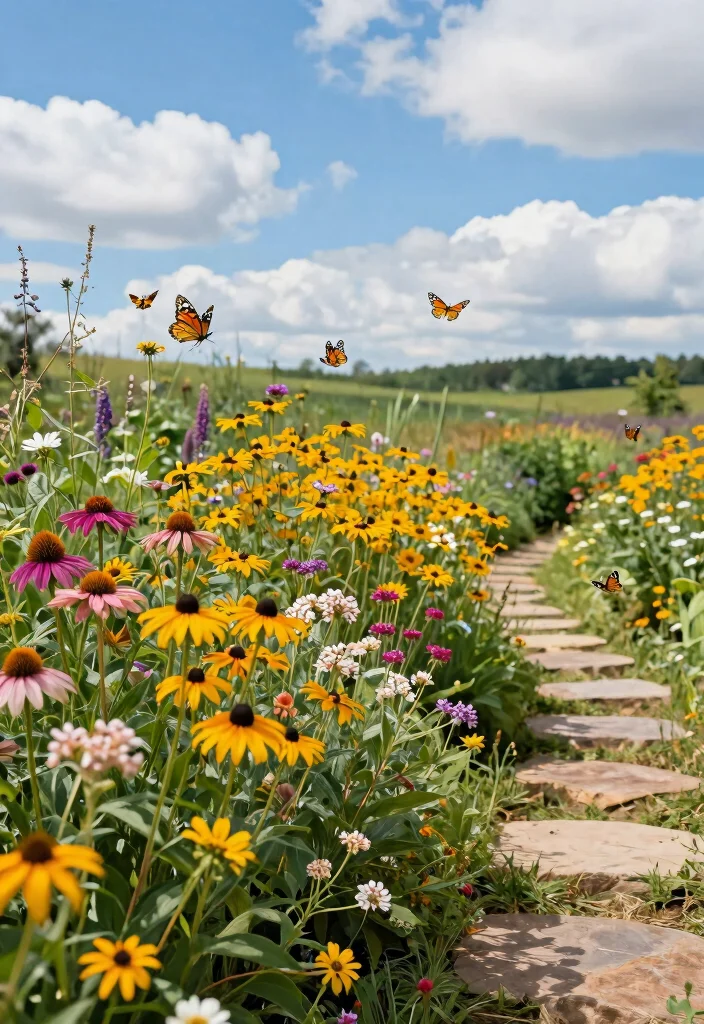
Create a thriving ecosystem by designing a prairie garden with native perennial plants. This type of garden not only beautifies your space but also supports local wildlife, particularly pollinators. Imagine vibrant patches of coneflowers and black-eyed Susans flourishing, drawing bees and butterflies into your yard.
Opt for drought-resistant and hardy plants that thrive in your local environment, promoting sustainability and reducing maintenance. By incorporating a variety of species, you’ll create a colorful and dynamic garden that enhances biodiversity.
Essential features of a prairie garden:
– Select native plants for resilience.
– Design with various bloom times for continuous color.
– Incorporate natural elements for a seamless look.
This approach not only enriches your landscape but also creates a sanctuary for essential pollinators, showcasing the beauty of nature in your garden.
Did you know, as part of outdoor perennial planter ideas, a prairie garden with native perennials can attract more pollinators and cut water use? Native plantings often require up to 50% less irrigation than traditional beds, while coneflowers and black-eyed Susans brighten borders year after year.
7. Artistic Planter Sculptures
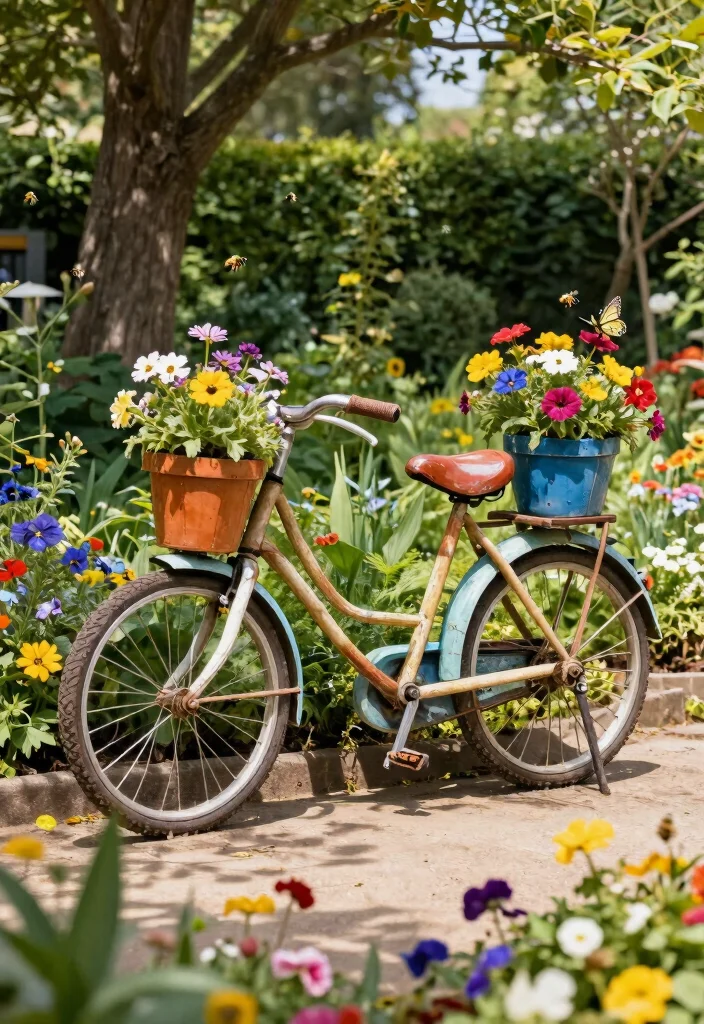
Infuse your garden with personality by incorporating artistic planter sculptures. These unique pieces serve as stunning focal points while providing homes for your favorite perennial plants. Imagine a whimsical bicycle planter bursting with colorful flowers, sparking conversations among your guests.
Artistic planters enhance the visual appeal of your garden while promoting sustainability by using recycled materials. Pair these creative sculptures with vibrant plants for a striking contrast that captures attention.
Advantages of artistic planters:
– Reflect your personal style and creativity.
– Serve as conversation starters in outdoor gatherings.
– Support local wildlife with beautiful blooms.
With these artistic elements, your garden will become a unique sanctuary that delights the senses and engages the imagination.
Artistic Planter Sculptures
Editor’s Choice


8. Traditional Raised Garden Beds
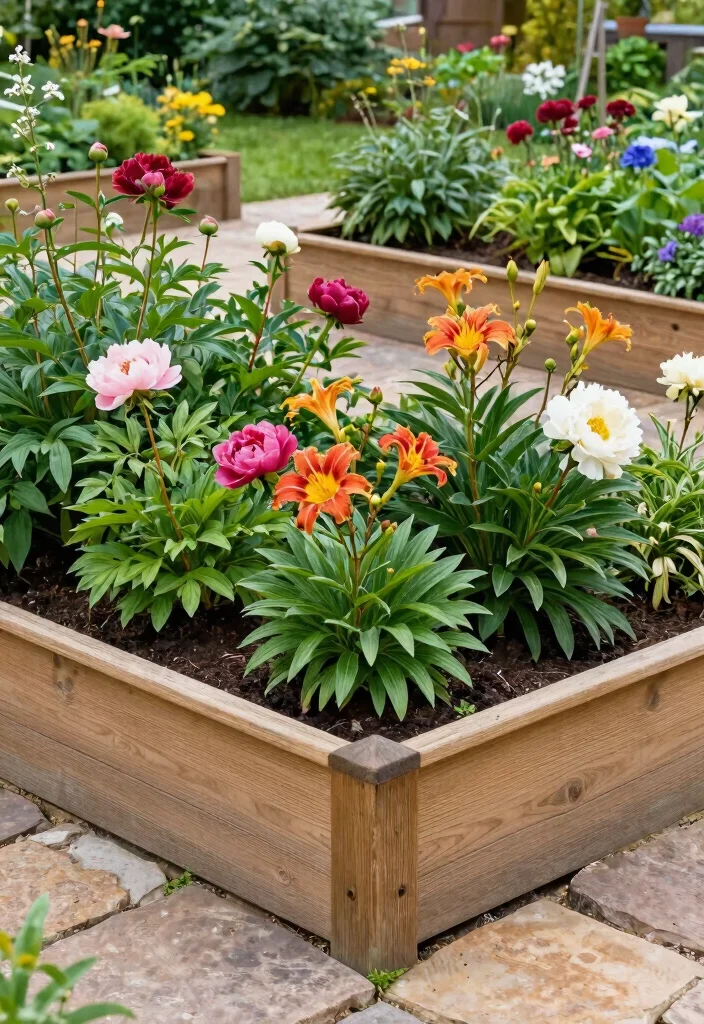
Raised garden beds offer a classic solution for growing perennial plants with ease. They improve drainage, enhance soil quality, and provide easy access for gardening. Picture a garden filled with vibrant peonies and daylilies thriving in a well-structured raised bed, requiring minimal maintenance while delivering maximum beauty.
To create the perfect raised bed, use untreated wood or recycled materials and ensure proper drainage for healthy, thriving plants. Customize the design to fit your garden style and choose perennials that will bring color year after year.
Key benefits of raised beds:
– Personalized soil mix for optimal growth.
– Reduces soil compaction and pest problems.
– Aesthetic appeal enhances your garden’s structure.
With these beds, you’ll cultivate a flourishing garden that stands the test of time and brings joy to your outdoor space.
9. Eco-Friendly Coconut Coir Planters
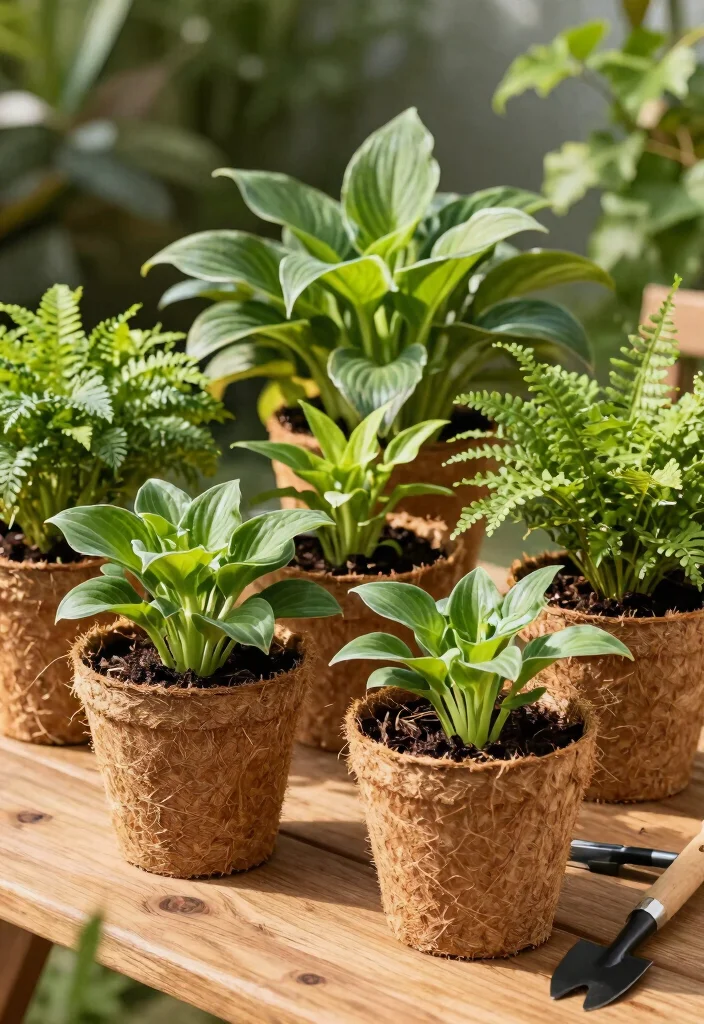
Coconut coir planters provide an eco-friendly and sustainable option for container gardening. Made from coconut husks, these biodegradable pots promote healthier root systems for your perennial plants. Imagine lush ferns and hostas thriving in these lightweight, moisture-retaining planters that minimize your environmental impact.
By choosing coconut coir, you benefit from excellent aeration and reduced watering needs, ensuring your plants flourish. As the coir breaks down, it naturally enriches the soil, providing additional nutrients to your plants.
Why choose coconut coir?
– Lightweight material promotes healthy growth.
– Retains moisture to support your plants.
– Biodegradable for minimal environmental impact.
This sustainable option enhances your garden while supporting healthier plant growth, making it a win-win for you and the planet.
10. Color-Blocked Planters
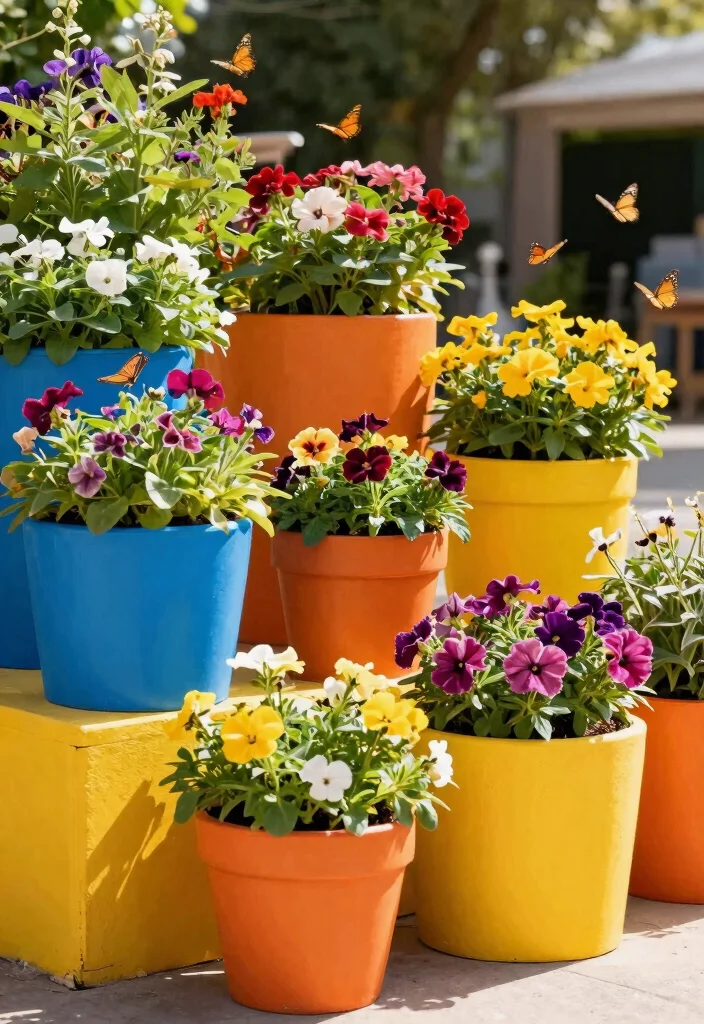
Add a burst of creativity to your garden with color-blocked planters, showcasing your personal style. By grouping planters in complementary colors, you can create eye-catching arrangements that draw attention and add joy to your outdoor space. Imagine bold orange marigolds contrasting beautifully with deep blue pots, creating a stunning visual effect.
To achieve a vibrant color-blocked look, use similarly colored plants in contrasting pots. Mix various sizes and shapes for added visual interest, and consider planting perennials that bloom at different times for a dynamic display.
Ideas for color blocking:
– Combine contrasting colors for dramatic effects.
– Use varying shapes to enhance appeal.
– Select plants with diverse bloom times for ongoing color.
This playful approach transforms your garden into a lively, inviting space that welcomes both visitors and pollinators alike.
Fun fact: color-blocked planters can boost garden buzz—pollinator visits rise by up to 40% when bold orange blooms meet deep blue pots. A simple clash of colors guides pollinators and invites all-season charm into outdoor perennial planter ideas.
Color-Blocked Planters
Editor’s Choice


11. Creative Repurposed Containers
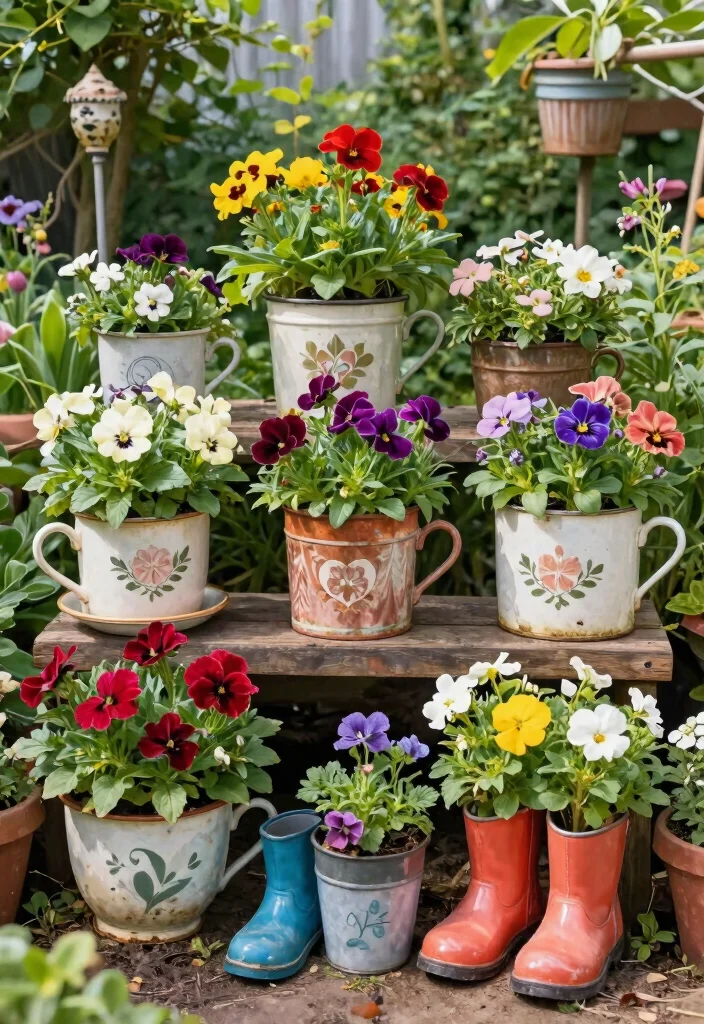
Embrace the eco-friendly trend of repurposing old containers into unique planters. From vintage teacups to old shoes, the possibilities for transforming unused items into charming plant homes are endless. Imagine a quirky planter that sparks conversation while showcasing colorful perennial plants.
Repurposing supports sustainability by recycling materials that would otherwise go to waste, while adding a personal touch to your garden. Choose plants that fit comfortably within your containers, ensuring proper drainage for healthy growth.
Benefits of repurposing:
– Reduces waste by recycling materials.
– Adds quirky designs that reflect your style.
– Provides excellent conversation starters for guests.
This creative approach not only minimizes waste but also enhances the character of your outdoor space, making it truly one-of-a-kind.
12. Pollinator-Specific Plant Combinations
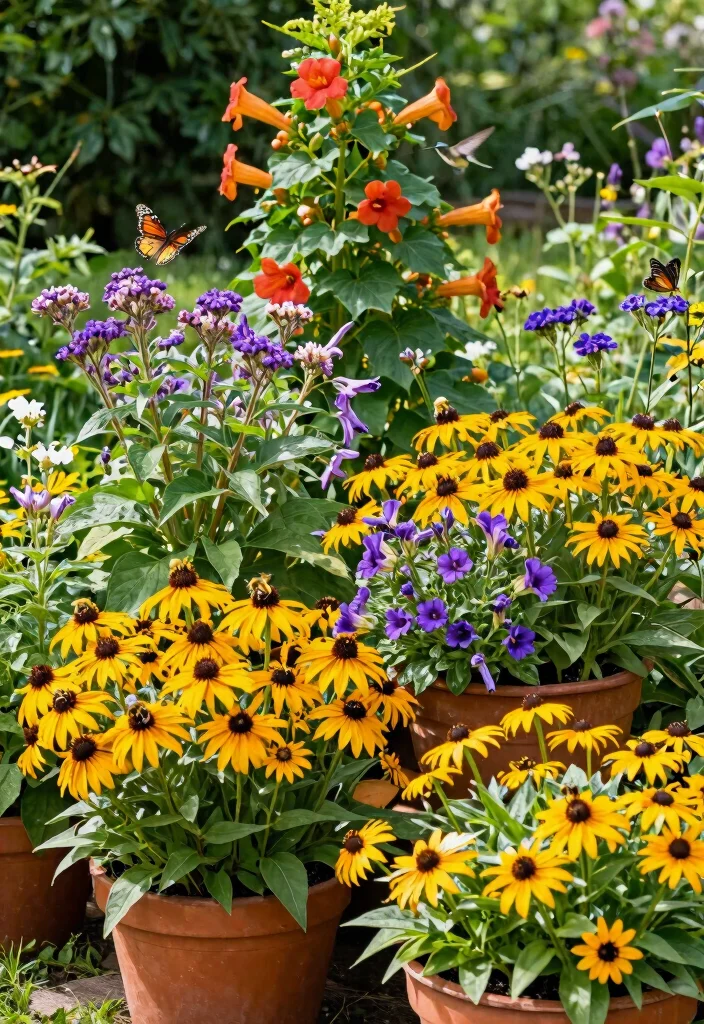
Designing planter arrangements specifically for pollinators is a meaningful way to boost local ecosystems. By selecting plants rich in nectar and pollen, you can create a garden haven for bees, butterflies, and hummingbirds. Imagine a vibrant area filled with coneflowers and butterfly bushes, inviting these essential creatures to thrive.
To attract various pollinators, consider combining plants like milkweed for butterflies and trumpet vine for hummingbirds. Place these combinations in sunny spots and ensure consistent watering to support healthy growth.
Ideal combinations include:
– Coneflowers, bee balm, and black-eyed Susans for bees.
– Milkweed, asters, and butterfly bushes for butterflies.
– Trumpet vine or hummingbird mint for hummingbirds.
This thoughtful approach not only enhances your garden’s beauty but also creates a sanctuary for vital wildlife, enriching the environment around you.
Pollinator-Specific Plant Combinations
Editor’s Choice


13. Seasonal Planter Rotations
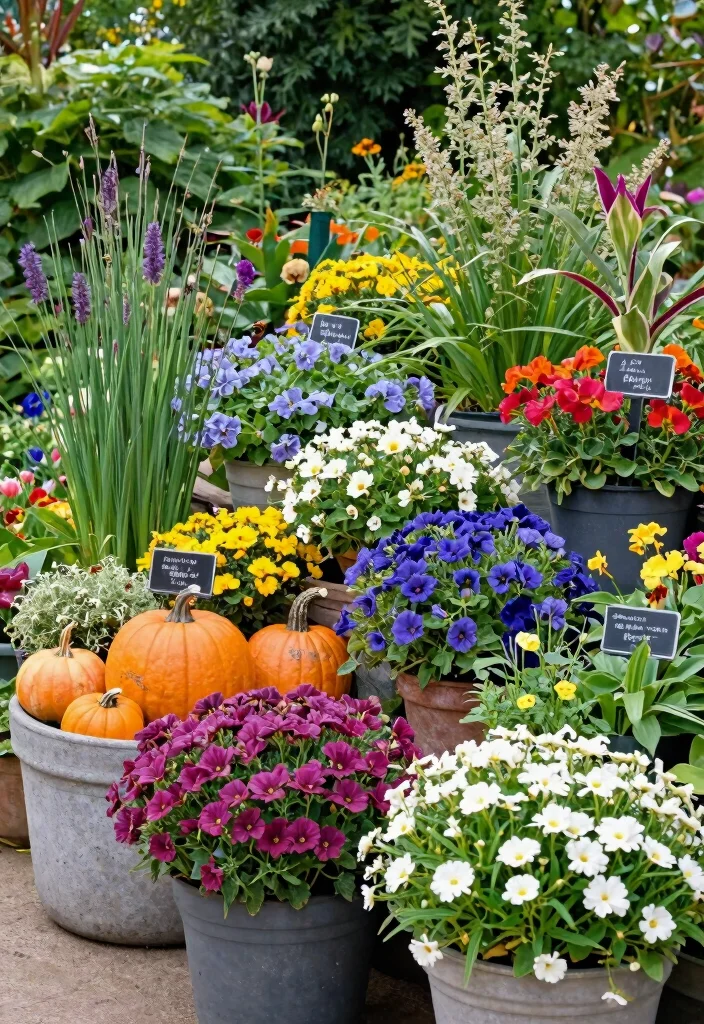
Implementing seasonal planter rotations keeps your garden fresh and engaging throughout the year. By changing out plants according to the season, you can ensure there’s always something new to admire. Picture a garden that evolves with vibrant flowers in spring and festive greens in winter, captivating everyone who passes by.
Focus on perennials that bloom at different times to maintain year-round interest. Incorporate seasonal elements like pumpkins in autumn or holiday decorations in winter for added charm. Group plants by color or texture for visually appealing arrangements.
Tips for successful rotations:
– Choose perennials that thrive in your climate.
– Incorporate seasonal decorations for festive flair.
– Organize by color or texture for visual impact.
This strategy not only keeps your garden lively but also supports pollinators, ensuring they have a continuous food source. Embrace the changing seasons and let your garden flourish into a year-round oasis.
Fun fact: Rotating outdoor perennial planter ideas with perennials that bloom at different times can boost year-round color by up to 40%. Stick to perennials that offer spring, summer, and fall interest, plus seasonal accents like pumpkins or evergreens for winter.
Conclusion
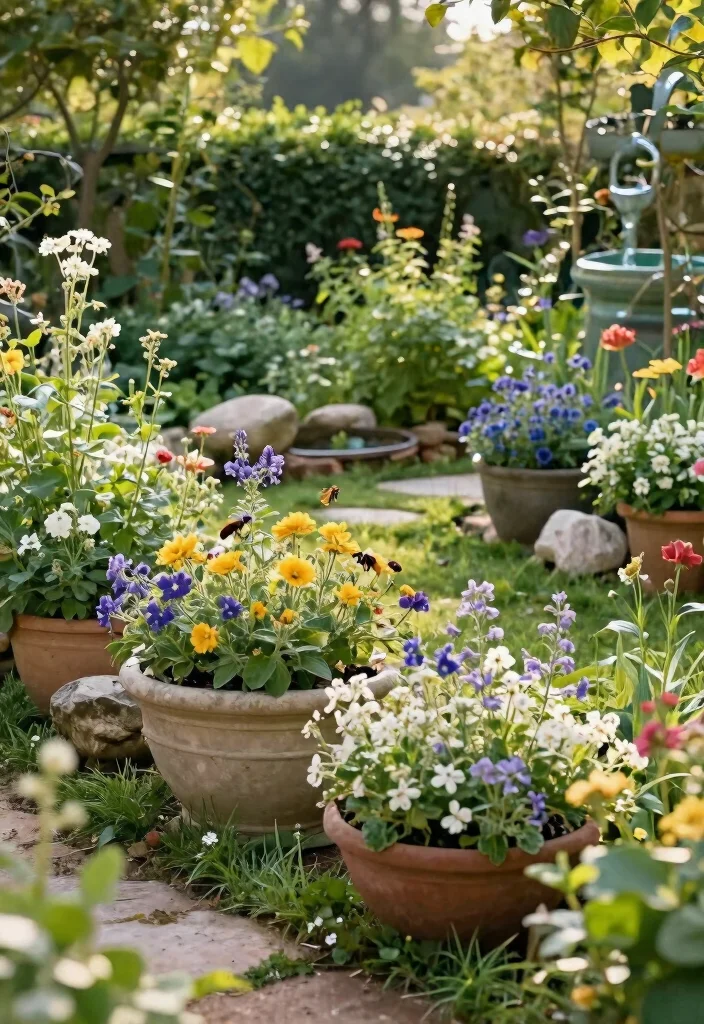
Embracing outdoor perennial planter ideas not only beautifies your space but also supports our vital pollinators. From vertical gardens to colorful combinations, each idea brings a unique charm and function to your outdoor environment.
Consider the benefits of sustainability as you plan your garden, making choices that nurture both your plants and the ecosystem. Happy gardening!
Note: We aim to provide accurate product links, but some may occasionally expire or become unavailable. If this happens, please search directly on Amazon for the product or a suitable alternative.
This post contains Amazon affiliate links, meaning we may earn a small commission if you purchase through our links, at no extra cost to you.
Frequently Asked Questions
What are the top outdoor perennial planter ideas to keep a pollinator-friendly display thriving year after year?
Start with a year‑round plan: pick 3–4 perennial plants that thrive in containers and bloom at different times for continuous interest. Group them by height and bloom time for a cohesive garden design. Choose nectar-rich species to attract pollinators—salvia, echinacea, nepeta are reliable bets. Add evergreen structure for winter appeal, so your display stays strong in the off-season. For seasonal planting, swap in a few seasonal accents every 6–8 weeks or rely on bulbs to spring into color. Ensure containers have drainage, use a high-quality potting mix suitable for container gardening, and install a simple drip irrigation to save water. Mulch to conserve moisture. With these steps, you’ll have outdoor perennial planter ideas that look great and support pollinators all year.
How can I design sustainable container planters that feel cohesive in garden design and boost pollinator visits?
Design sustainably by starting with a cohesive template: pick a limited color palette, repeat core plant choices across planters, and layer height with tall perennial plants and lush fillers. For garden design, choose native pollinator-friendly species that perform well in containers and are drought-tolerant where possible. Use container gardening plan with a high-quality, well-draining potting mix, and select pots made from sustainable materials when you can. Install a simple irrigation plan—drip lines or self-watering planters—to minimize water waste. Finally, rotate a few seasonal planting accents to keep things fresh without increasing maintenance.
Which outdoor perennial planter ideas work best for different seasons and zones?
A practical approach is to mix bloom times and winter interest. Spring: pair early-blooming perennial plants with bulbs for a bright start. Summer: choose heat- and drought-tolerant nectar sources (such as salvia and echinacea) to attract pollinators. Fall: add late-bloomers and seed heads for ongoing nectar into winter. Winter: maintain structure with evergreen fillers and winter-flowering varieties. Always check your USDA hardiness zone and sun exposure, and place planters in microclimates within your outdoor space as needed.
What practical tips help with seasonal planting in outdoor planters without heavy maintenance?
Aim for plants with similar light and water needs and group them accordingly to simplify care. Use planters with good drainage and a high-quality potting mix, and consider self-watering pots or a drip irrigation kit to cut ongoing work. Mulch to retain moisture, and choose a core set of perennial plants for year-round structure while swapping in a few seasonal planting accents each season. Prune spent blooms to encourage more flowering and avoid overwatering during hot periods.
How can I maximize outdoor decor while keeping planters healthy and pollinator-friendly all year?
Choose decor that enhances the look without hindering plant growth: lightweight, movable pieces, natural materials, and colors that complement the outdoor decor theme. Keep planters accessible to pollinators by planting nectar-rich perennial plants at eye level and avoiding decor that blocks airflow or shade from essential blooms. Use cohesive elements—matching pots, consistent heights, and a simple color story—to strengthen garden design while you maintain seasonal interest through seasonal planting.


![13 Functional Garden Potting Shed Ideas [Plant Lovers Only]](https://delushome.com/wp-content/uploads/2026/04/13-Functional-Garden-Potting-Shed-Ideas-Plant-Lovers-Only-150x150.webp)


