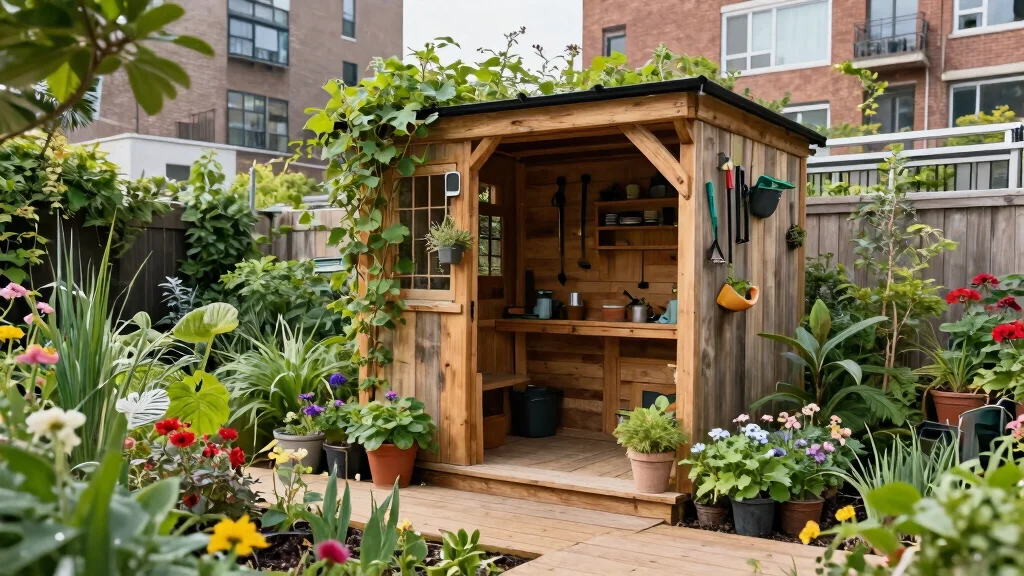
Building a garden shed can be one of the most rewarding DIY projects, especially if you’re looking to enhance your outdoor space while creating a functional storage solution. I’ve been inspired to put together this guide because I know how satisfying it is to have a place to organize gardening tools, potting supplies, and even seasonal decorations. Plus, with urban living spaces becoming tighter, a well-planned garden shed can serve as a stylish yet practical addition to your backyard.
If you’re someone who loves DIY gardening projects, this post is perfect for you. Whether you’re a novice or a seasoned builder, the tips here will resonate with anyone eager to create a sustainable garden shed design. You’ll find inspiration to not only build a shed but to do so in a way that fits seamlessly into your unique outdoor space.
By following these nine essential DIY garden shed building tips, you’ll learn how to choose the right location, opt for sustainable materials, and maximize your shed’s functionality. You’ll walk away from this guide with practical advice that will help you create an organized, efficient space that you can enjoy year-round. Let’s get started on your garden shed journey!
Key Takeaways
– Location Matters: Choosing the right spot for your shed will make a significant difference in its utility and visibility in your garden. Consider sunlight, drainage, and accessibility.
– Sustainable Materials: Opt for eco-friendly materials when building your garden shed. This not only benefits the environment, but it also adds durability and character to your structure.
– Space Planning: Plan the layout of your shed cleverly. Think about what you’ll store and how you can maximize every inch of space for efficiency.
– Ventilation and Light: Ensure proper ventilation and natural light. This makes the shed a pleasant place to work in and helps prevent moisture buildup.
– Personalization is Key: Make your shed uniquely yours! Add personal touches that reflect your gardening style and needs, creating a space that feels like home.
1. Choose the Right Location
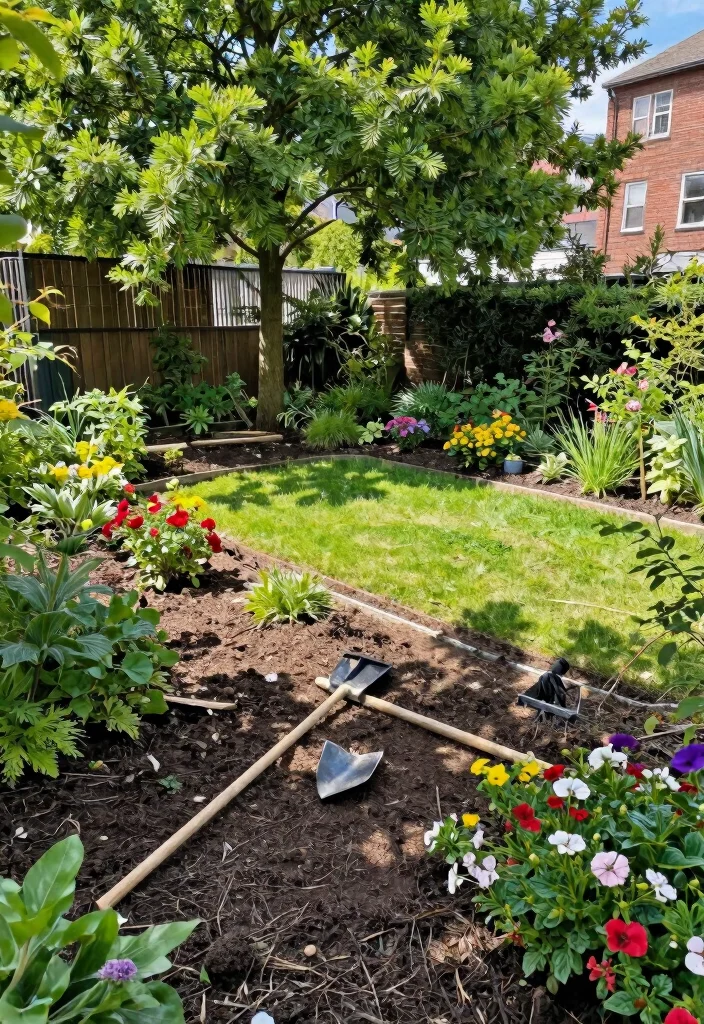
Finding the perfect spot for your garden shed is crucial for a successful project. You want it to be easily accessible while still blending seamlessly into your garden’s layout. Think about positioning it near your favorite plants to grab tools quickly without a long trek.
Consider the sunlight too; opting for a shady area can help keep it cool in the summer, while a bright spot is ideal for potting activities. Most importantly, keep drainage in mind! Steer clear of low areas where water could gather and risk mold. Here’s how to choose the best location:
– Assess proximity to your garden
– Ensure access to sunlight
– Prioritize good drainage
– Avoid tree roots
– Select a flat and level surface
These considerations will set you up for a functional and durable shed.
2. Opt for Sustainable Materials
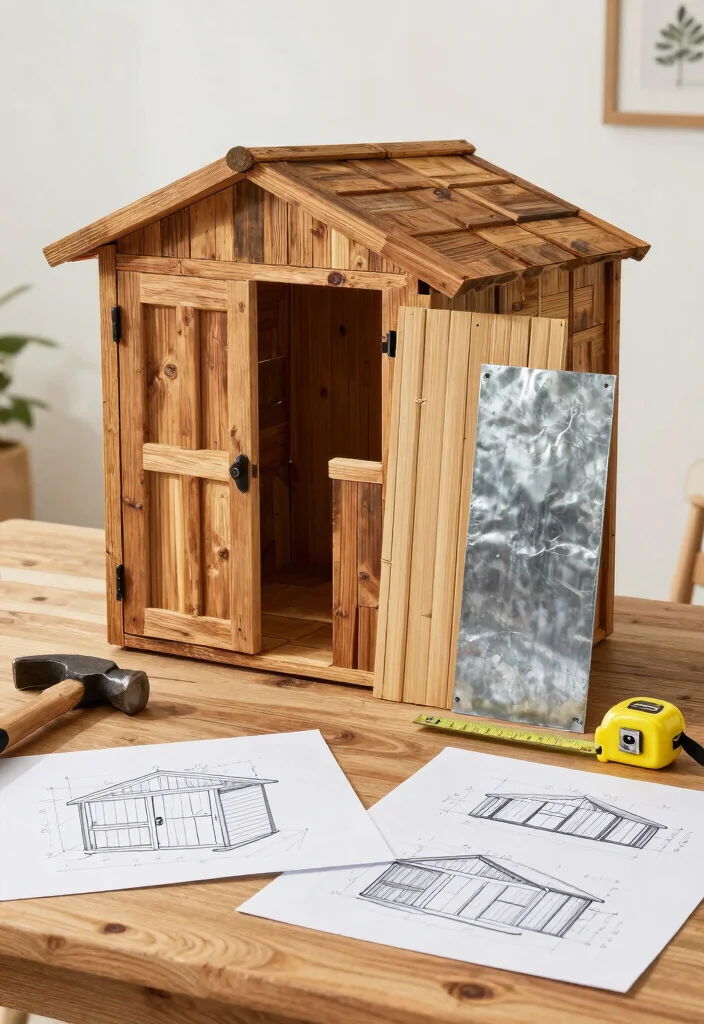
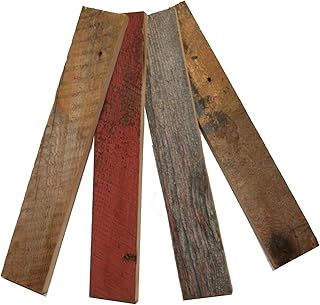
Choosing eco-friendly materials for your garden shed is not just trendy; it’s essential for sustainability. You can opt for reclaimed wood, bamboo, or even recycled metal, which not only enhances durability but also adds a unique flair to your shed.
Selecting sustainable materials minimizes waste and lowers your carbon footprint. When picking wood, aim for FSC-certified options to ensure responsible sourcing. If you’re feeling resourceful, think about incorporating upcycled items like old doors or windows for a charming touch. Here are some materials to consider:
– Reclaimed wood for framing
– Recycled metal for roofing
– Bamboo for shelving
– Upcycled furniture for storage
With these choices, you’ll craft a shed that’s beautiful and kind to the planet.
Opt for Sustainable Materials
Editor’s Choice





3. Plan Your Space Wisely
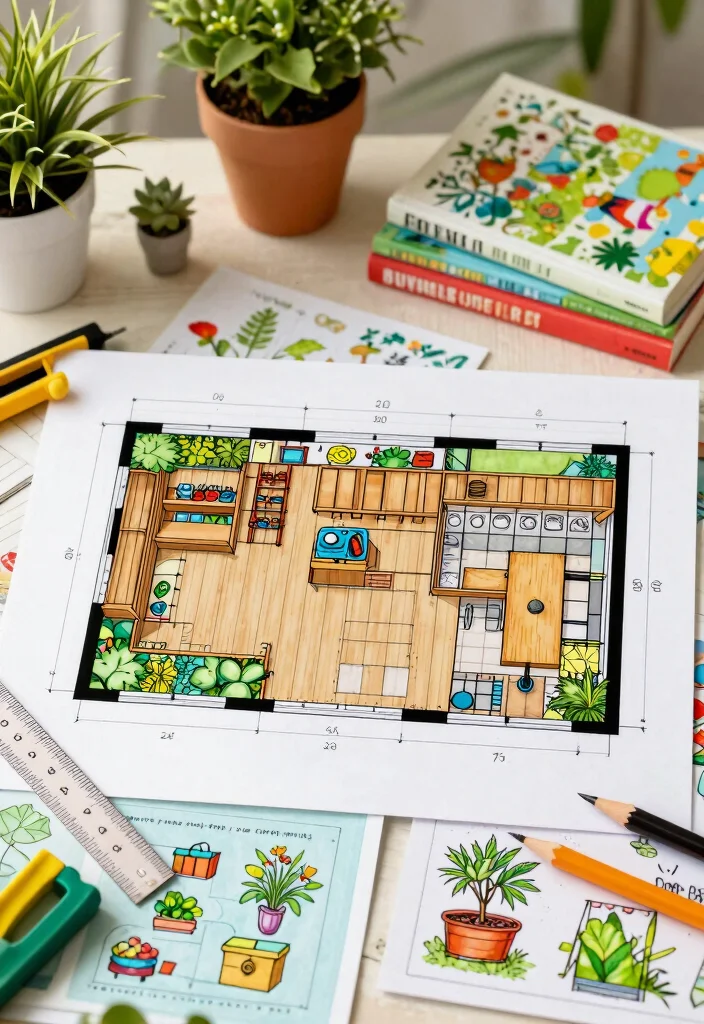
Creating a thoughtful garden shed layout is vital for maximizing your space. Sketching a plan helps you visualize how much room you need for tools, plants, and even a potting station.
Think about the features you want, like workbenches, shelving, or hooks for tools. Incorporating these elements into your design keeps things organized and clutter-free, enhancing your overall gardening experience. Start by drafting a simple floor plan that includes:
– Dimensions of your shed
– Layout for tools and supplies
– Additional features like windows for natural light
– Accessibility for easy movement
These details will prevent headaches later and help you create a functional gardening sanctuary.
Plan Your Space Wisely
Editor’s Choice


4. Prioritize Ventilation and Light
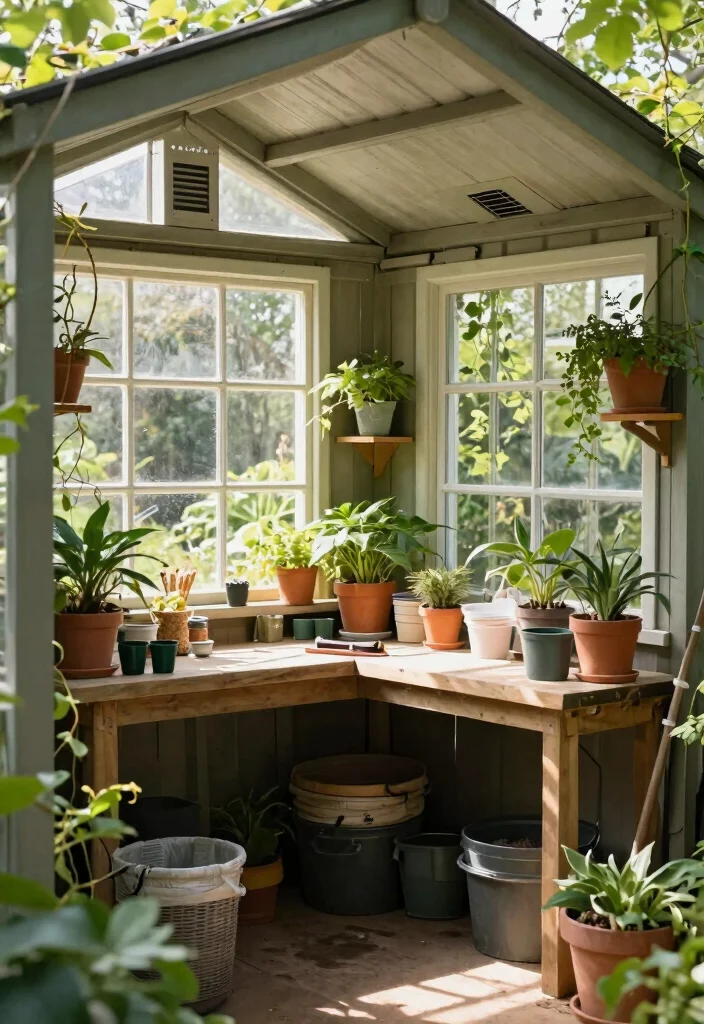
Your garden shed should be more than just storage; it should be an inviting space. Proper ventilation and natural light are key components. Windows bring in light and keep the air fresh, reducing the risk of mold and mildew.
Install vents near the roof to let hot air escape, especially if you plan to use the shed as a potting station. If possible, add skylights to brighten up the area. This not only makes it more enjoyable to work in but can also support any seedlings you store. Consider these important features:
– Windows that open
– Roof vents for airflow
– Skylights for extra light
With these enhancements, your shed will become a cozy haven for gardening.
❝ Ventilation and natural light aren’t luxuries—they’re essential. With the right vents and skylights, your garden shed becomes a work-ready space, not a dim storage box. These diy garden shed building tips help you design a bright, efficient urban shed. ❞
Prioritize Ventilation and Light
Editor’s Choice



5. Build Smart Storage Solutions
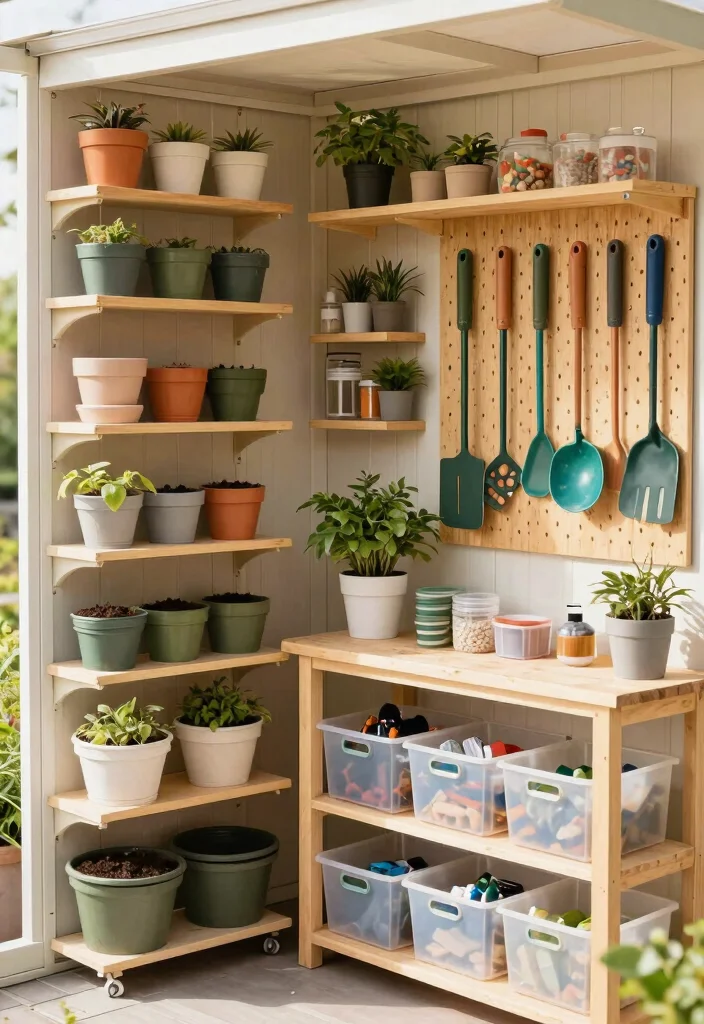
Effective storage solutions are crucial for keeping your garden shed organized. Think vertically! Wall-mounted shelves and pegboards can optimize space while making your tools easily reachable.
Add labeled bins or baskets for smaller items to reduce clutter. Tailor your storage to fit your specific needs, whether for tools or potting supplies. Here are some clever ideas:
– Vertical shelving units
– Hooks for hanging tools
– Clear bins for easy identification
– Magnetic strips for metal tools
These solutions will ensure everything has its place, making it simple to find what you need when the time comes.
Fun fact: vertical storage can reclaim up to 50% more floor space in a small shed. With wall-mounted shelves, pegboards, and labeled bins, your tools are quicker to grab and clutter disappears—perfect for diy garden shed building tips.
6. Insulate for Year-Round Use
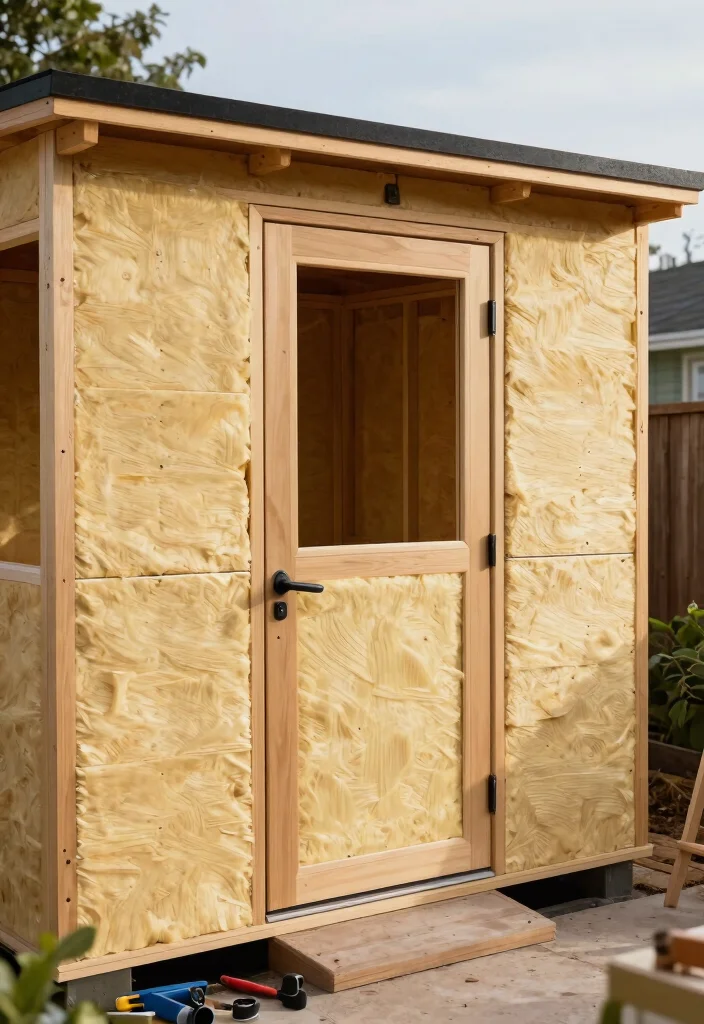
If your climate varies, insulating your shed can greatly improve its usability. Insulation helps maintain stable temperatures and protects your tools from extreme conditions.
Foam board insulation is a user-friendly option that offers excellent thermal resistance. Also, consider installing insulated doors and windows to further boost energy efficiency. Here are some insulation suggestions:
– Foam board or spray insulation for walls
– Insulated doors and windows
– Weather stripping to seal gaps
Proper insulation turns your shed into a year-round haven for pursuing your gardening passions.
7. Personalize Your Shed Design
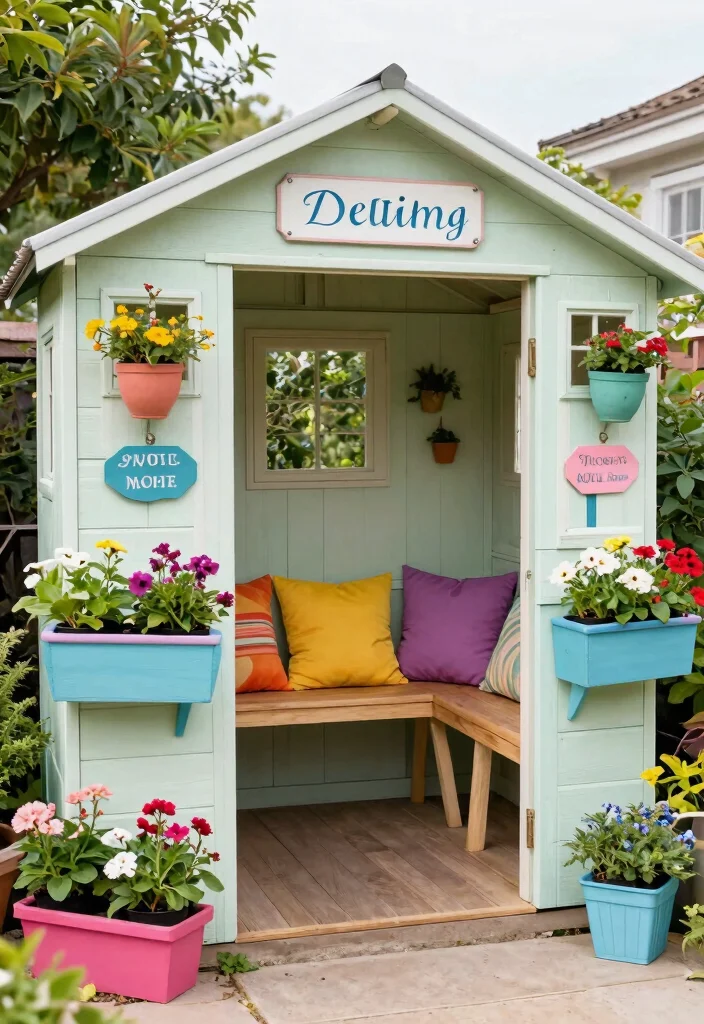
Adding a personal touch to your garden shed enhances its character and improves your gardening experience. Consider painting the exterior with colors that harmonize with your garden. You might also add decorative features like shutters, flower boxes, or signage.
Inside, express your personality with unique storage containers or custom shelving. Create a cozy nook with cushions and a small table to relax after a day of gardening. Here are some fun ideas to personalize your shed:
– Custom paint job or mural
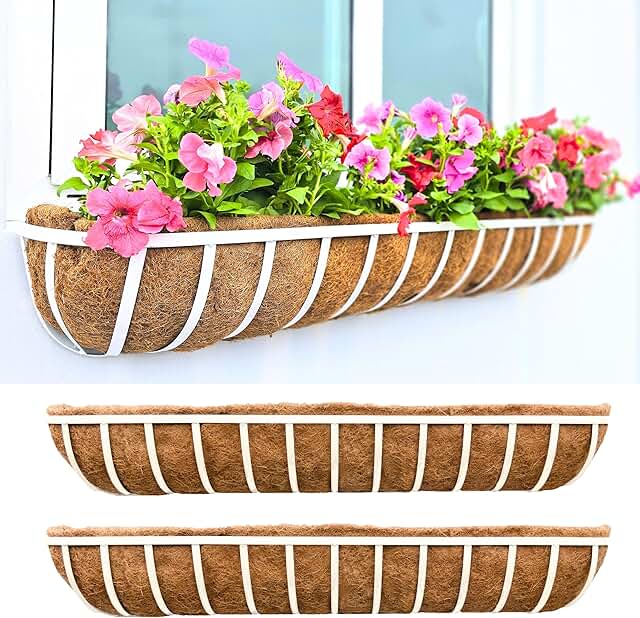
– Flower boxes on windows
– Cozy seating area
– Unique signage or decor
A personalized shed becomes a functional space and a delightful retreat.
Personalize Your Shed Design
Editor’s Choice


How To Choose the Right Location for Your DIY Garden Shed
When planning to build your DIY garden shed, selecting the right location is crucial. This choice impacts functionality, accessibility, and even the aesthetics of your garden. Here’s how to choose the best spot for your shed:
1. Consider Sunlight Exposure
Choose a location that receives ample sunlight. This is especially important if you plan to store plants or gardening tools that benefit from warmth. Aim for a spot that gets at least six hours of sunlight each day to keep your shed dry and bright.
2. Assess Drainage and Ground Conditions
Look for a spot with good drainage to avoid water pooling around your shed. Areas that are prone to flooding or standing water can lead to dampness and mold. Ideally, place your shed on slightly elevated ground or use gravel for better drainage.
3. Check Accessibility
Make sure your shed is easily accessible for loading and unloading tools and supplies. A clear path should lead to the shed, allowing for easy movement of larger items like lawnmowers. Consider how often you’ll need to access the shed and plan the location accordingly.
4. Maintain Distance from Trees
While shade is nice, placing your shed too close to trees can lead to complications. Tree roots can disrupt the foundation, and falling branches can damage your shed. Aim to keep a distance of at least 10 feet from any large trees to avoid potential hazards.
5. Review Local Regulations
Before finalizing your location, check local building codes and homeowner association rules. Some areas have restrictions regarding shed placement, such as set-back requirements from property lines. Ensure you’re compliant to avoid fines or the need to relocate your shed later on.
Pro Tip: Walk around your yard at different times of the day to get a feel for sunlight patterns and how the area is affected by wind or rain. This will help you better understand the environment your shed will be in.
Choosing the right location for your DIY garden shed sets the stage for a successful project. By considering these factors, you can create a functional and aesthetically pleasing space that enhances your gardening experience.
8. Maintain Your Shed Regularly
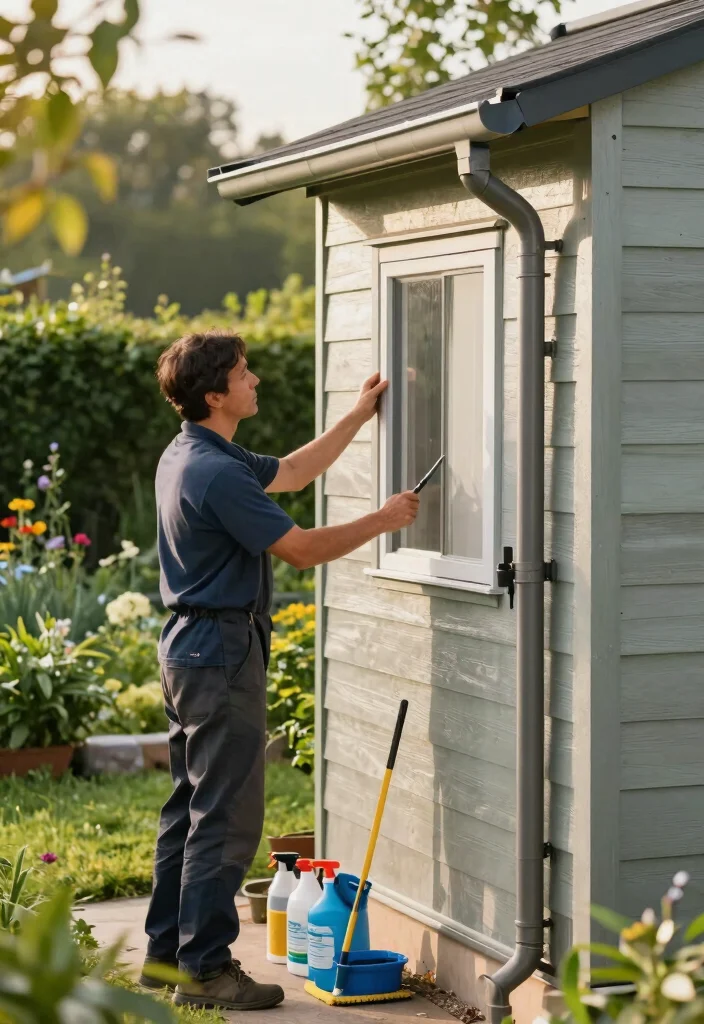
Once your garden shed is up and running, regular maintenance is key to keeping it in top condition. Check the exterior for signs of wear, like peeling paint or damaged roofing. Clean the interior regularly to prevent dirt buildup and check for pests.
A seasonal maintenance checklist can help you stay organized and proactive. Here’s a quick list to guide you:
– Check and clean gutters and downspouts
– Repaint or apply wood preservative as needed
– Inspect for pests or mold
– Organize and declutter storage areas
Regular upkeep will extend your garden shed’s lifespan, ensuring it remains a valuable resource for many years.
Fun fact: regular shed maintenance can extend its life by up to 50%—think cleaner gutters, fresh paint, and pest checks. A quick, seasonal checklist keeps you ahead of wear and storms. Those practical diy garden shed building tips pay off every season.
9. Enjoy Your Space!
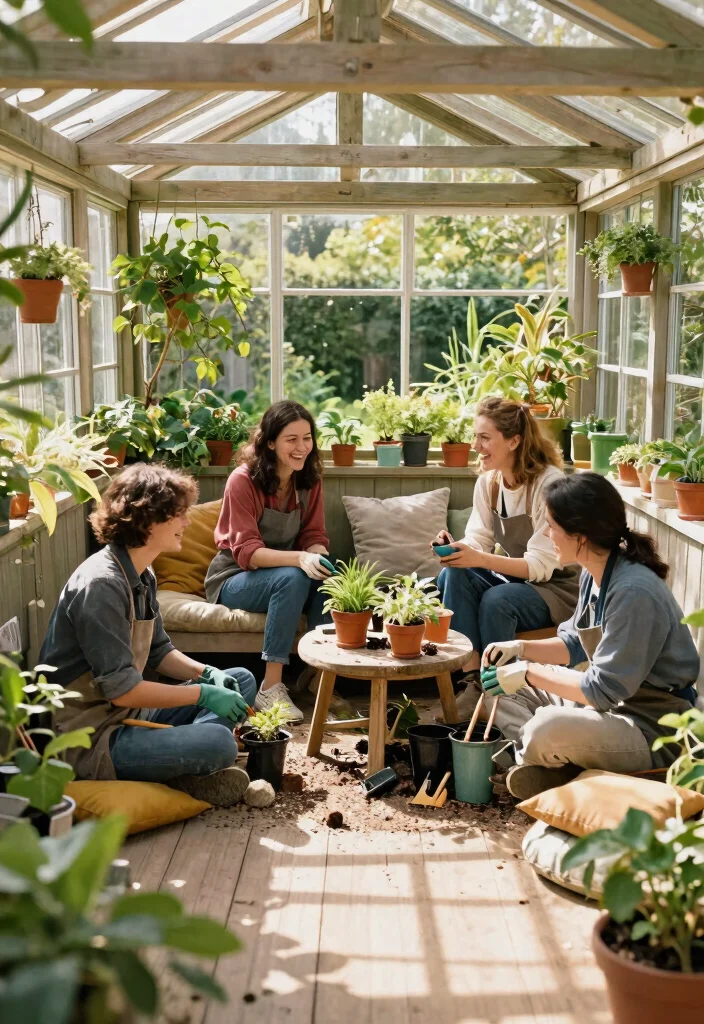
After all your hard work, it’s time to savor your garden shed! Whether you use it as a workspace or a peaceful retreat, take moments to appreciate what you’ve created. Consider inviting friends over for a gardening day, or simply enjoy quiet time tending to your plants.
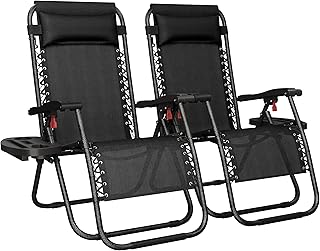
Remember, your garden shed is more than just storage; it’s a place for creativity and relaxation. To enhance your enjoyment, think about adding personal touches like a sound system for music or a comfy chair for reading. Here are some ideas to maximize your enjoyment:
– Host gardening workshops with friends
– Create a reading corner inside
– Use the shed as a creative studio
With your stunning shed, your gardening journey will undoubtedly flourish!
Enjoy Your Space!
Editor’s Choice



Conclusion
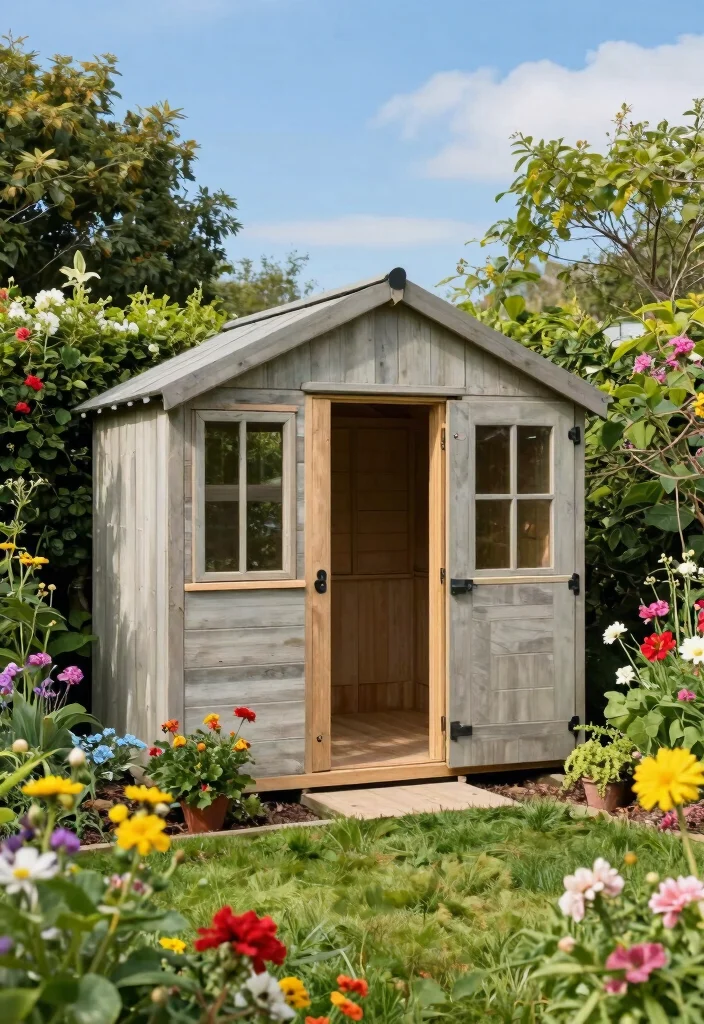
Building a DIY garden shed is a fulfilling project that combines practicality with creativity. By following these essential tips, you can create a sustainable space tailored to your gardening needs.
Your shed can become a refuge where you can relax, create, and enjoy nature. So gather your materials, plan your design, and let your garden shed dreams come to life!
Note: We aim to provide accurate product links, but some may occasionally expire or become unavailable. If this happens, please search directly on Amazon for the product or a suitable alternative.
This post contains Amazon affiliate links, meaning we may earn a small commission if you purchase through our links, at no extra cost to you.
Frequently Asked Questions
What are the essential diy garden shed building tips for beginners in urban spaces?
Starting with a clear purpose and a compact footprint is key.
For diy garden shed building tips, begin by defining how you’ll use the space, then check local codes and permits.
Choose a space-saving design that fits urban spaces (think lean-to or wall-adjacent) and plan tall storage with shelves and pegboards to maximize vertical space.
Pick sustainable materials and a simple roof to reduce cost and environmental impact.
Prioritize natural light and ventilation, insulation and weather sealing, and a durable foundation like concrete blocks or timber skids.
Keep the build safe with proper tools and PPE, and consider easy maintenance features such as metal roofs and rot-resistant siding.
Finally, think about water collection, composting or a small potting bench to support garden shed plans and outdoor storage solutions that stay tidy year-round.
How can I design sustainable garden shed designs for a small urban lot?
Designing sustainable garden shed designs for a small urban lot means efficiency and versatility.
Start with a compact footprint, modular or stackable elements, lean-to against an existing wall to save space.
Use reclaimed or sustainably sourced materials, solar-powered lights, rainwater capture, and a green roof if possible to boost sustainability.
Orient the shed for passive cooling and natural light, insulate well, and plan multi-use spaces (workspace, seed storage, potting bench).
These choices dovetail with garden shed plans that support DIY gardening projects while keeping your urban plot stylish and eco-friendly.
Where can I find garden shed plans that fit DIY gardening projects and maximize storage?
Where to find reliable garden shed plans that fit DIY gardening projects and maximize storage? Look for plans with exact cut lists and clear assembly steps, plus options to customize for your tools and space.
Choose plans designed for urban lots with a compact footprint and vertical storage.
Compare materials, costs, and whether the plan supports add-ons like a potting bench or rain barrel setup.
By starting from solid garden shed plans, you’ll simplify outdoor storage solutions and speed up your build.
What shed construction tips help ensure durability, security, and low maintenance in a backyard?
What shed construction tips help ensure durability, security, and low maintenance in a backyard?
Start with a level, moisture-protected foundation and solid framing (2×4 or 2×6, depending on climate).
Build a watertight envelope with proper flashing, weather seals, and a pitched roof suited to your rainfall.
Install secure doors, deadbolts, and consider window security if you have glass.
Use durable, low-maintenance materials and sealants, and plan for ventilation to minimize moisture buildup.
Finally, design shelving and wall storage to keep the interior organized—an easy way to support backyard organization ideas and efficient outdoor storage solutions.
How can I organize a backyard with outdoor storage solutions and smart shed placement?
Start by mapping your yard and zoning for work, storage, and passage.
Place the shed where it minimizes foot traffic and blocks least sunlight, while keeping access to hoses, tools, and waste bins easy.
Add outdoor storage solutions such as pegboards, wall-mounted racks, and labeled bins inside the shed.
Use internal shelving and a rolling workbench to maximize backyard organization ideas, and consider a rain barrel and compost area nearby for a tidy, sustainable setup.
Smart placement also improves safety and aesthetics in your small urban space.


![13 Functional Garden Potting Shed Ideas [Plant Lovers Only]](https://delushome.com/wp-content/uploads/2026/04/13-Functional-Garden-Potting-Shed-Ideas-Plant-Lovers-Only-150x150.webp)


